A bar license in India is not one licence - it's a stack of state-specific excise permits, and no two states charge the same fee or follow the same process. Here's the state-wise breakdown.
A bar license in India is not one licence. It is a stack of state-specific excise permits, and no two states charge the same fee or follow the same process. Delhi's L-17 licence for an independent restaurant bar can run into several lakh rupees a year, while a similar permit in Goa can cost under two lakh. This guide breaks the process down state by state, with real fee ranges, documents, timelines and the mistakes that get applications rejected.
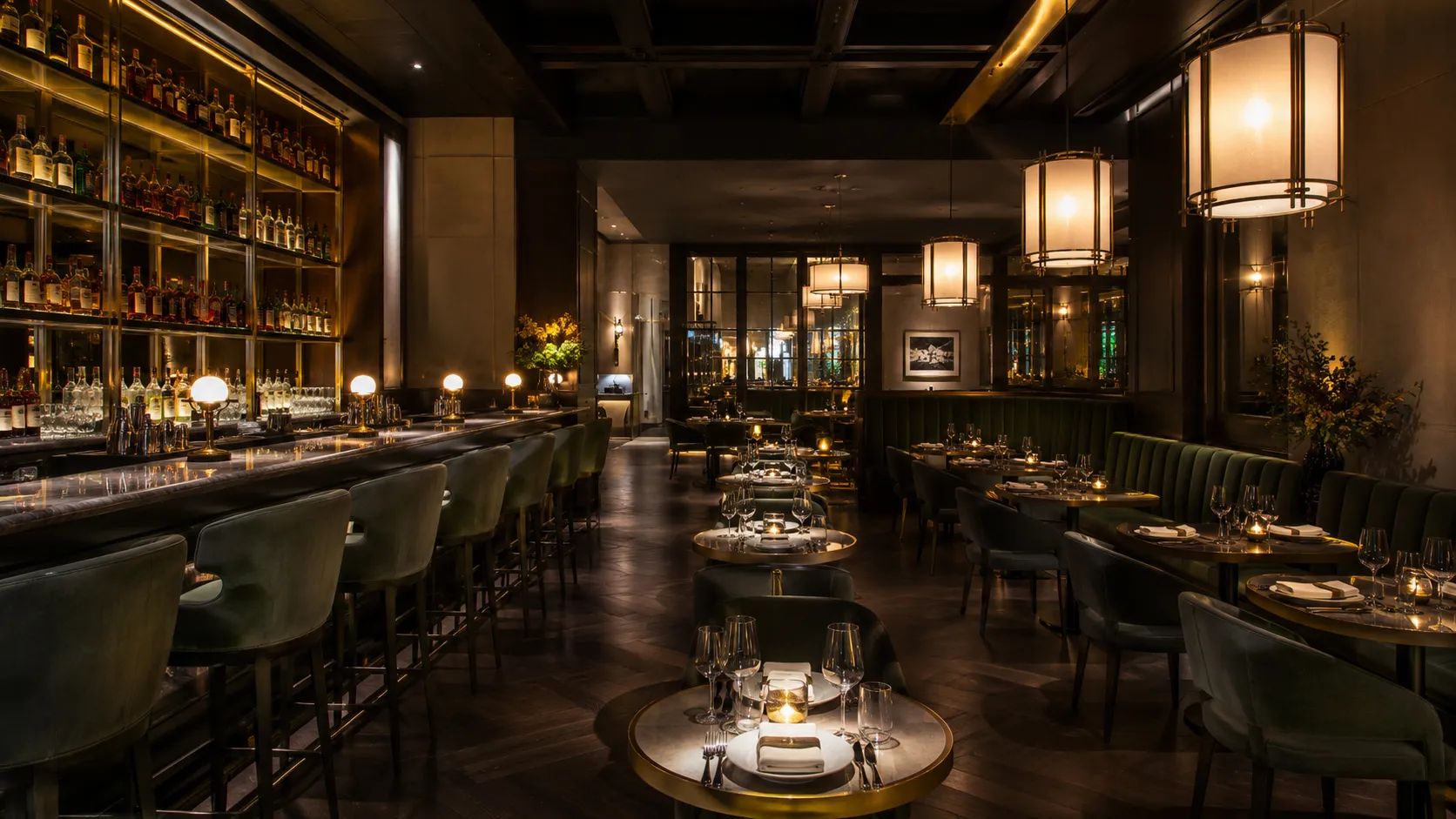
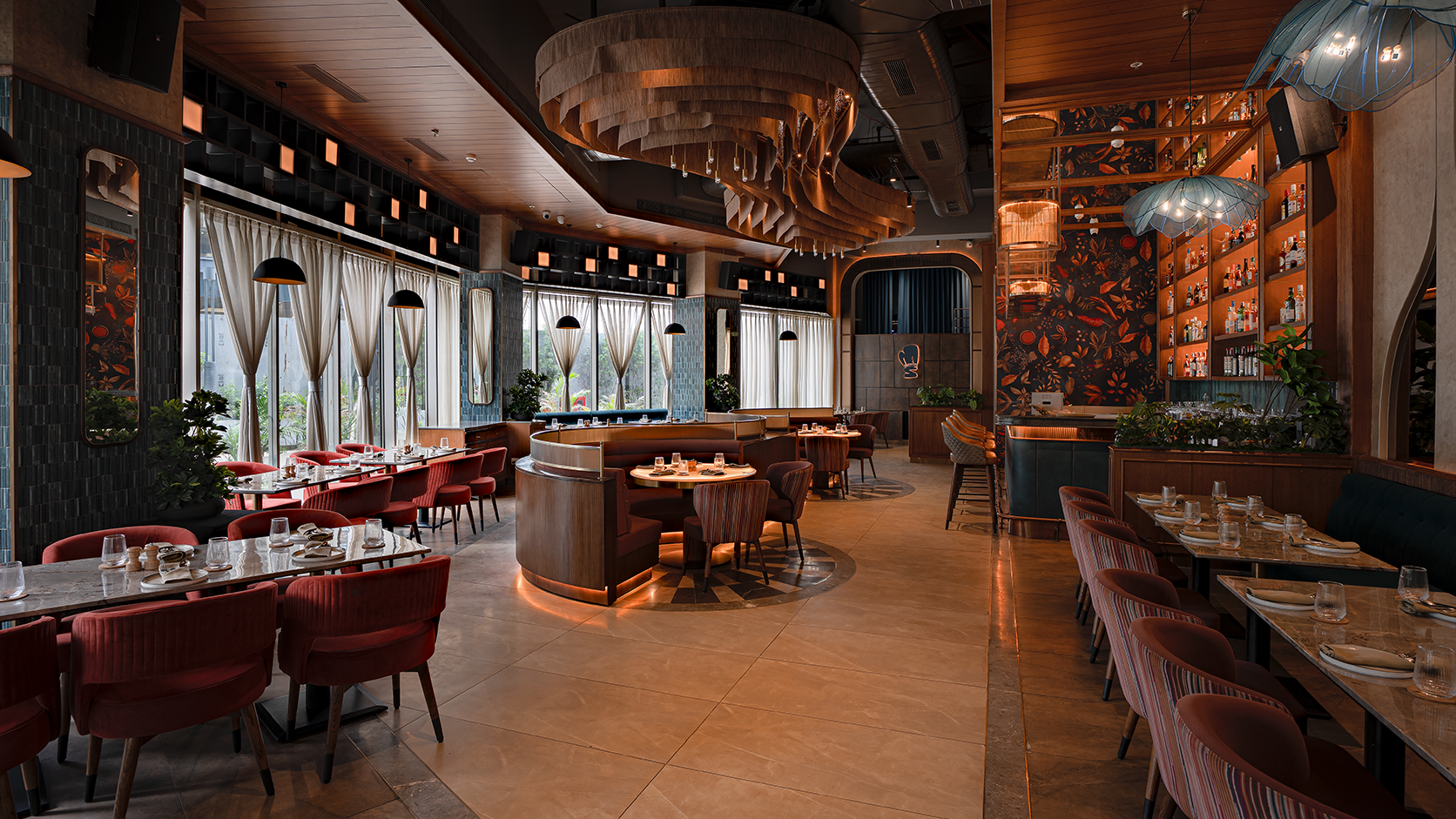
We have taken bars through this process ourselves. Our New Delhi project The Red Door, for instance, needed its full excise clearance sorted before a single bottle went behind the counter. What follows is the same groundwork we walk every client through.
Why Bar Licensing Is the First Real Hurdle for Owners
Alcohol falls under the State List of the Constitution, so every state runs its own excise department, its own Excise Act, and its own fee schedule. There is no central bar license in India. What works in Chandigarh will not work in Raipur, and a license category that exists in Delhi may not exist in Goa at all.
This is usually the point where first-time owners lose months. They budget for interiors and menu development, then discover the excise fee alone can run into lakhs, the police verification takes weeks, and the application format changes depending on whether the outlet is a standalone restaurant, a hotel bar, or a club.
Get the license category wrong at the start and you refile from scratch. That is weeks of rent paid on a space that cannot legally serve a single drink.
State-Wise License Categories Explained
Below is a working reference for the states where we see the most bar and restaurant projects. Fees change with each excise year, so always confirm current numbers with the state excise department or your consultant before budgeting.
Delhi NCR runs on the L-17 / L-18 licence for an independent restaurant and L-16 for a hotel bar, with typical annual fees of ₹6 lakh to ₹20 lakh; the fee scales with seating and star rating, and the process is fully online through the Excise Department portal. Maharashtra uses the FL-3 licence for a restaurant or hotel bar (or a Permit Room), running ₹5.5 lakh to ₹25 lakh a year, with Mumbai rates sitting at the top end and a minimum drinking age of 25. Karnataka's CL-9 bar-and-restaurant licence runs ₹7 lakh to ₹10 lakh, and Bengaluru rates vary sharply by zone within the city.
Punjab and Chandigarh use the L-3 / L-5 licence for a bar in a hotel or restaurant, at ₹1.5 lakh to ₹6 lakh, with Chandigarh following the Punjab Excise Act plus its own local fee notification each year. Rajasthan's restaurant bar permit under State Excise Rules runs ₹1.5 lakh to ₹5 lakh, notified annually and varying by municipal category and quota. Chhattisgarh's district-level bar permit runs ₹1 lakh to ₹3.5 lakh and clears through a district committee headed by the Collector rather than a single state portal. Goa's bar licence under the Goa Excise Duty Act is among the most affordable in the country at ₹25,000 to ₹2 lakh, with a drinking age of 18. West Bengal's restaurant bar licence runs ₹3 lakh to ₹6 lakh, with a renewal fee significantly lower than the initial grant.
Four states currently run under complete prohibition and do not issue commercial bar licenses at all: Gujarat, Bihar, Mizoram and Nagaland. If a project is being planned in any of these, the conversation has to start somewhere else entirely.
Documents & Timeline You'll Need
The paperwork looks similar across states even when the fees don't. Expect to assemble company or partnership registration and PAN of the entity; a registered lease deed or ownership document for the premises, usually for a minimum 3 to 5 year term; a site plan and layout showing the bar area is screened from public view; No Objection Certificates from the fire department and local municipal body; an FSSAI food license, since most states require this before the excise license is processed; police verification and a clean-record affidavit for every partner or director; and a bank solvency certificate showing the applicant can support the license fee and security deposit.
Realistic timelines run 25 to 60 working days once a complete application is filed, and that excludes the mandatory public notice period some states require, which adds another 15 to 30 days. Build this into your opening date. Owners who plan interiors and licensing on the same 6-week runway are the ones who end up opening late.
Common Reasons Applications Get Rejected
The recurring culprits are a premises located within the prohibited distance from a school, place of worship or hospital, which varies by state and is easy to miss on a quick site check; a lease deed that doesn't match the tenure required for the license category applied for; a mismatch between the FSSAI category and the excise application, for example applying as a restaurant while the layout reads as a bar; incomplete or unattested NOC documents, especially the fire NOC; the wrong license category chosen for the concept, such as applying for a beer-and-wine license when the concept needs a full bar license; and missing or expired police verification certificates for a partner added after the initial filing.
Most rejections we see are not about eligibility. They are about sequencing. The lease was signed before checking distance restrictions, or the FSSAI application went in with a layout that didn't match what was later submitted to excise.
How a Consultant Speeds Up the Process
This is exactly where the early discovery work in our own process pays off. Before any lease is signed, we run a feasibility check against the state's distance and zoning rules, so a location doesn't get chosen and then disqualified six weeks later.
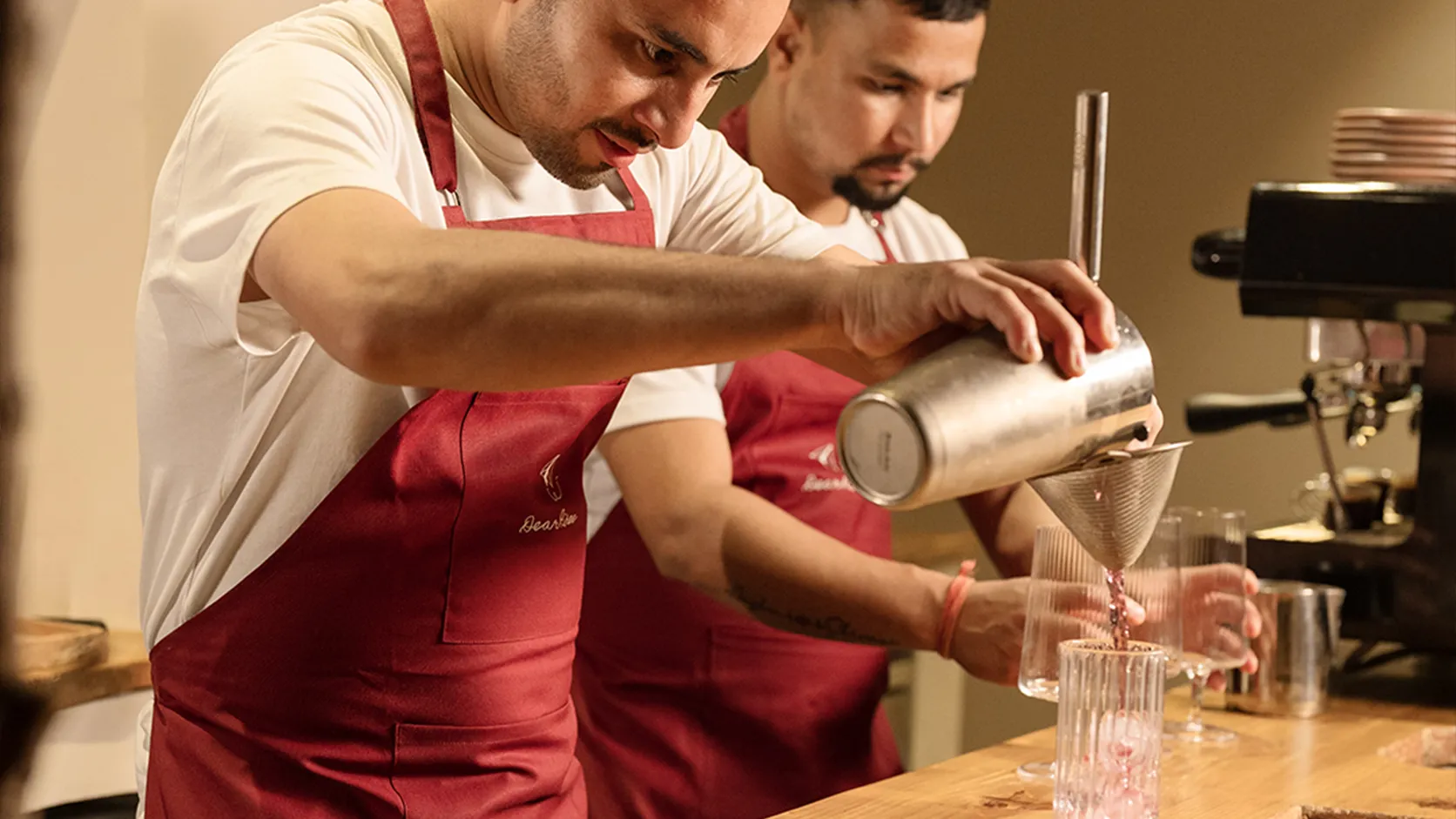
On projects like Grotto in Gurugram and Dear Riree in Raipur, license planning ran parallel to interior design and menu development, not after it. That sequencing alone recovers weeks.
If you're at the concept stage and want the licensing timeline mapped against your opening date, our F&B Consultant Cost in India guide breaks down what this kind of support typically costs, and our Restaurant Business Plan India guide shows where licensing fits into the wider project timeline.
Once the bar is licensed, the next decision is what actually goes on the menu. Our guide on Craft Cocktail Menu Design and our full walkthrough on how to Set Up a Bar in India both pick up right where licensing ends.
FAQs: Bar Licensing in India
Get Your Bar Licensed Without the Guesswork
We map licensing timelines and requirements state by state, before you sign a lease.
Talk to The Bar Consultants