In 2011, Vikrant Batra left a catering business that couldn't scale beyond him. What followed was a slow-cooked build that turned Cafe Delhi Heights into a bootstrapped, ₹200-crore, 50-outlet chain across 17 cities.
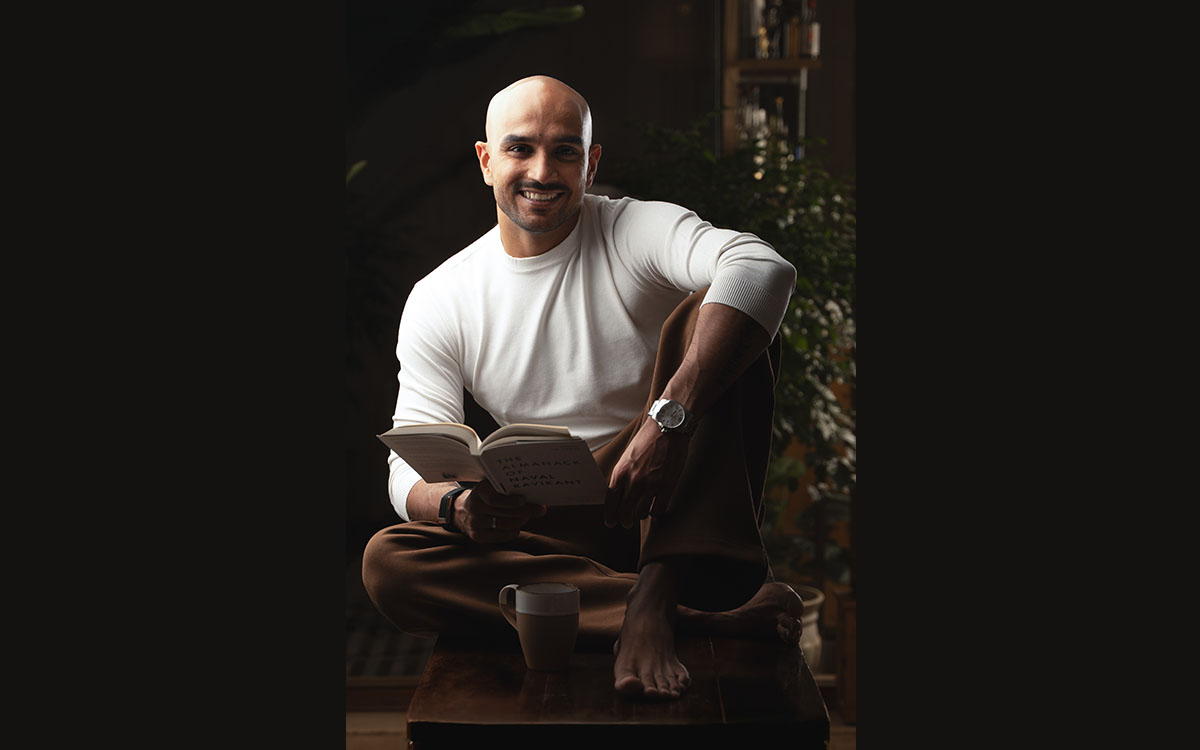
Vikrant Batra grew up inside a family business. His parents started Batra Banquets when he was still in school, and home sat directly above the banquet hall - so he drifted into the kitchen after class, watched orders being managed and chaos being handled, and slowly turned that curiosity into instinct. After a commerce degree and an MBA, he came back to the business as an operator, pushing it from outdoor catering into large-format, pan-India events. The scale looked impressive on paper. In practice, it was exhausting - nights that ended at five in the morning, days that began before noon, sleep taken in the margins of a business that never slowed down.
Walking Away at the Peak
Catering had taught Batra almost everything about operations, logistics, people and pressure. It had also shown him the business's ceiling - there was no version of it that could run without him at the centre, so growth had a hard limit, and that limit was him. Rather than wait for the business to break, he exited it while it was still profitable, handing the reins to his mother. Friends called the decision irrational. For nearly a year afterward, there was no new business to run - just quiet mornings with the numbers and one recurring question: if the last business couldn't grow beyond him, what would the next one need to look like?
Spotting the Gap Between Quick-Service and Occasion Dining
Around that time, Batra's brother had taken up a restaurant franchise in Gurugram, and Batra started spending time there - on the floor, in the back office, watching how the place moved through a full day without leaning on any one person to hold it together. At the same time, Delhi-NCR was changing. Office towers were filling up, young professionals were moving in, homes were getting smaller, and two-income households with long commutes were becoming the norm. Cooking at home was slipping, and eating out was filling the gap - but the choices didn't stretch far. There were quick-service restaurants for speed, and sit-down restaurants for occasions. Everything in between was missing, including a format that could comfortably seat three generations at one table without turning the meal into a negotiation.
The First Cafe Delhi Heights
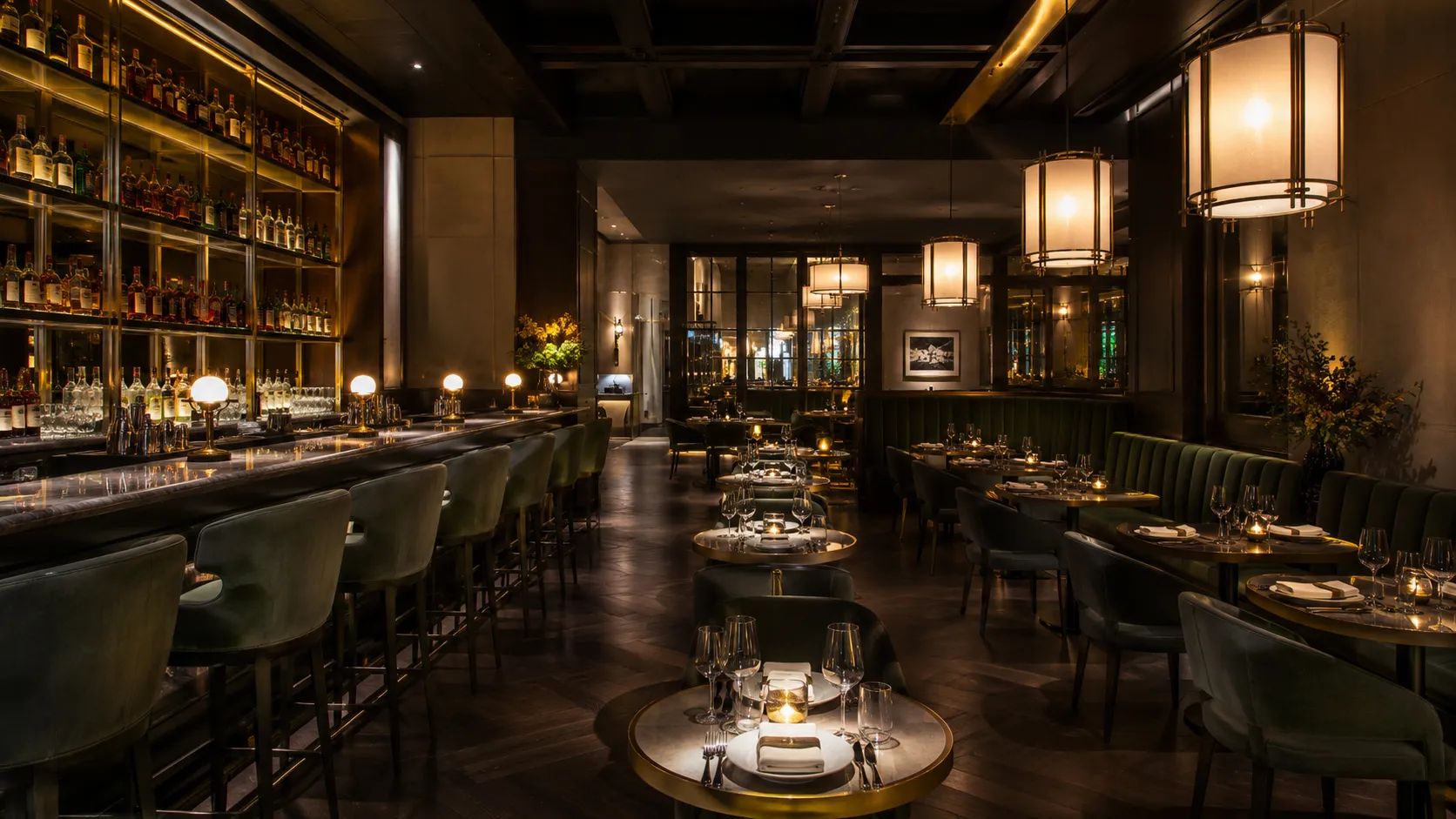
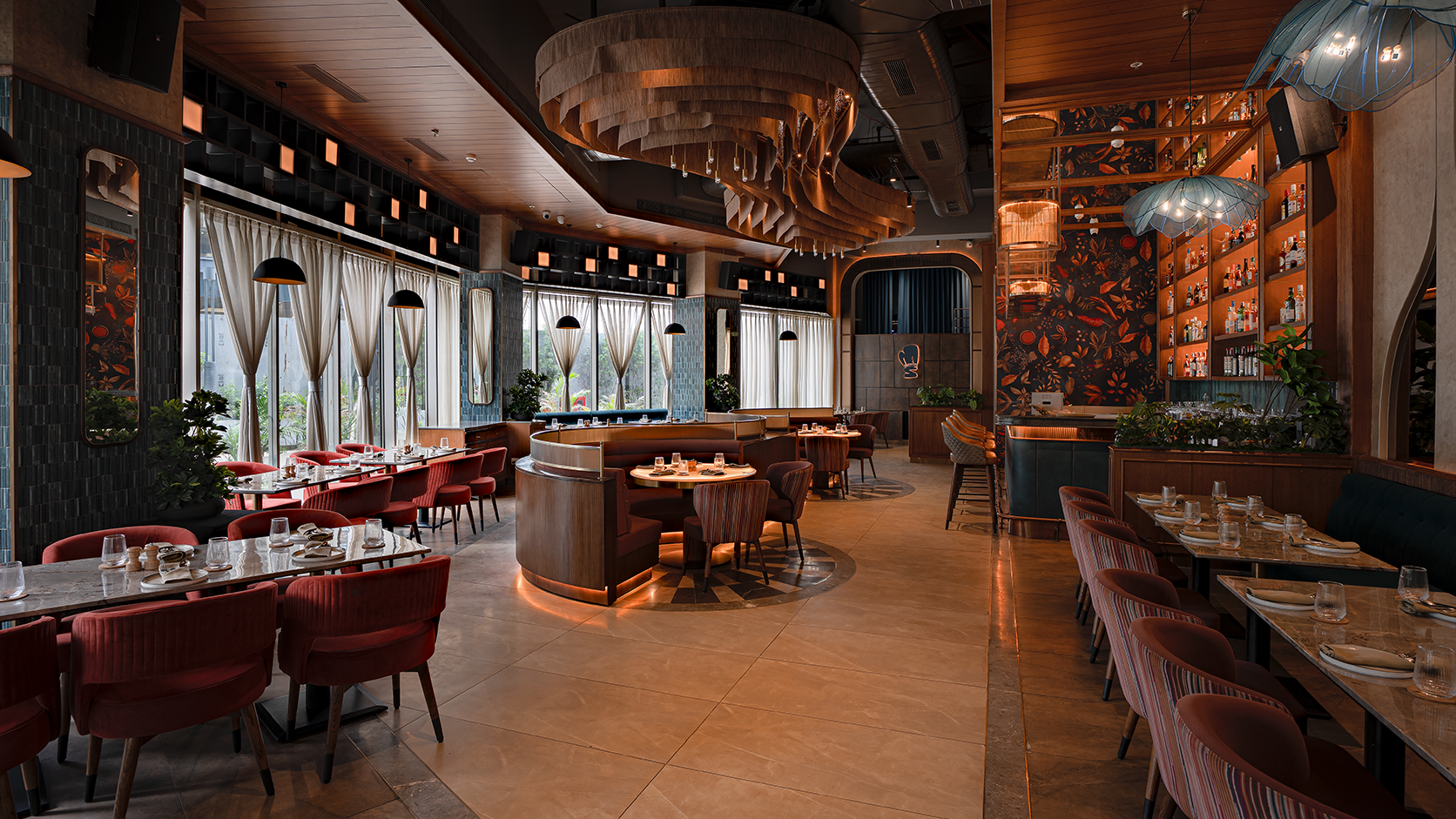
Batra pictured a space with the ease of a cafe but the depth of a restaurant - food across cuisines, portions that didn't feel restrained, and a room where guests didn't feel watched or hurried. In 2011, that idea found its first address in Gurugram: mismatched seating heights and shapes to support both long conversations and quick meals, and a wide menu spanning Indian, continental and comfort food placed side by side without hierarchy. The goal was simple - remove the friction from eating out, and people will keep coming back.
Eight Months of Losses and an Irrational Kind of Hope
The first few months were quiet. Some days the till barely crossed a few thousand rupees; some days it didn't register at all. The losses ran for eight or nine months straight, and doubt - from family, from the numbers themselves - crept into slow afternoons and empty kitchens. But a small, loyal group of twenty or thirty regulars kept returning for breakfast, staying through lunch, coming back in the evening, using the cafe as a place to work because nobody rushed them out. That group didn't move the revenue numbers yet, but it gave the idea real weight, and it was enough to keep the business going on belief rather than data.
The Second Outlet Changed Everything
In early 2012, with the first outlet's numbers still unsettled, an offer came in for a space at Ambience Mall, Gurugram. It wasn't an easy call, but the logic held - malls bring footfall, and footfall was exactly what the first outlet had struggled to generate on its own. Almost immediately after the second outlet opened, the pace changed: walk-ins turned into waiting lines, and early Facebook food communities helped word travel from one table to the next.
Pausing Growth to Build the Machinery Behind It
Even with demand building across two outlets, Batra held back on expansion for nearly two years. He knew what could go wrong - a wide menu and layered operations meant consistency wasn't automatic, it had to be engineered. So the focus shifted behind the scenes: tighter procurement, stronger hires, a real corporate structure, and documented training and controls - the parts of the business customers never see, but feel immediately when they're missing. When growth resumed, it didn't sprint. It settled into a repeatable pattern city by city.
A Bootstrapped, ₹200-Crore Chain
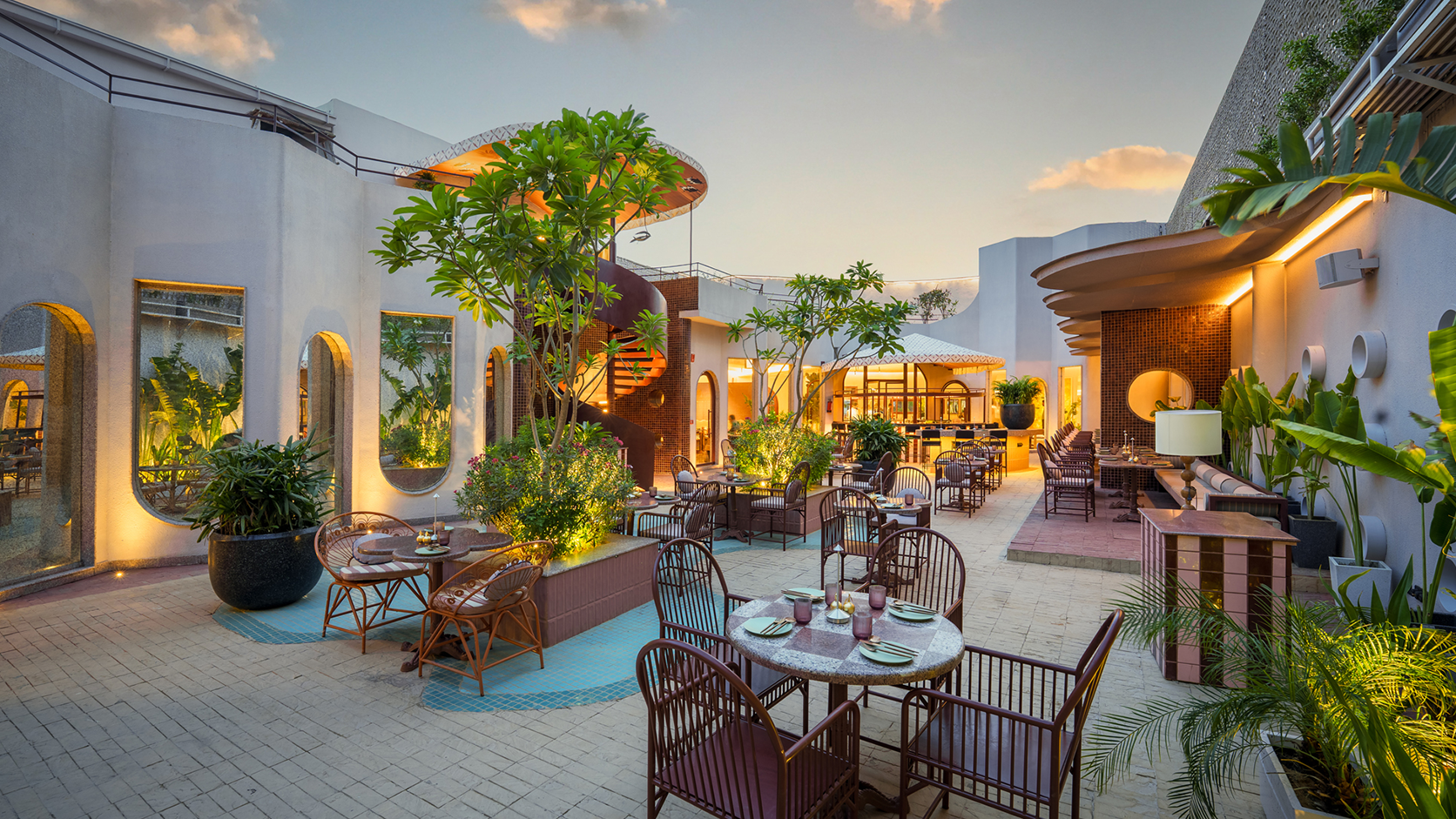
By April 2026, Cafe Delhi Heights was running across more than 50 outlets in 17 cities and 8 states, closing FY25 at an operating revenue of ₹164 crore and on track for around ₹200 crore in FY26 - still bootstrapped, still profitable. The brand's portfolio has grown alongside it, including the Juicy Lucy cloud-kitchen brand, the delivery-first Bakehouse Comfort, and newer concepts like Ikigai, Neighbourly and Sarava - each an experiment in format and cuisine aimed at reaching a new generation of diners while extending the same three-generations-at-one-table idea that shaped the original cafe.
What Makes the Model Hold Together
Angad Chachra, Founder of The Bar Consultants, points to Cafe Delhi Heights as a good example of a casual dining brand that scaled through steady, well-judged decisions rather than one bold swing - staying relevant to a wide audience while keeping the core experience familiar, layered with measured expansion and tight operational discipline. He also notes that as the brand multiplies across formats, the real test is coherence: each new concept needs its own identity while still feeling connected to the larger system, and managing that tension is often what defines what comes next for a growing F&B group.
Cafe Delhi Heights is now targeting over 100 outlets in the coming years, moving into newer cities and experimenting with formats like quick-service alongside its core cafe model. But as Batra tells it, the approach hasn't really changed since that first quiet year in Gurugram - it's still growth without losing control.
FAQs: Cafe Delhi Heights & Vikrant Batra
Building a Concept That Can Scale Without Losing Control
We help F&B founders design concepts and operating systems built to grow beyond any one person.
Get in Touch