India's restaurant industry is in the middle of a quiet revolution - and it's happening behind the bar.
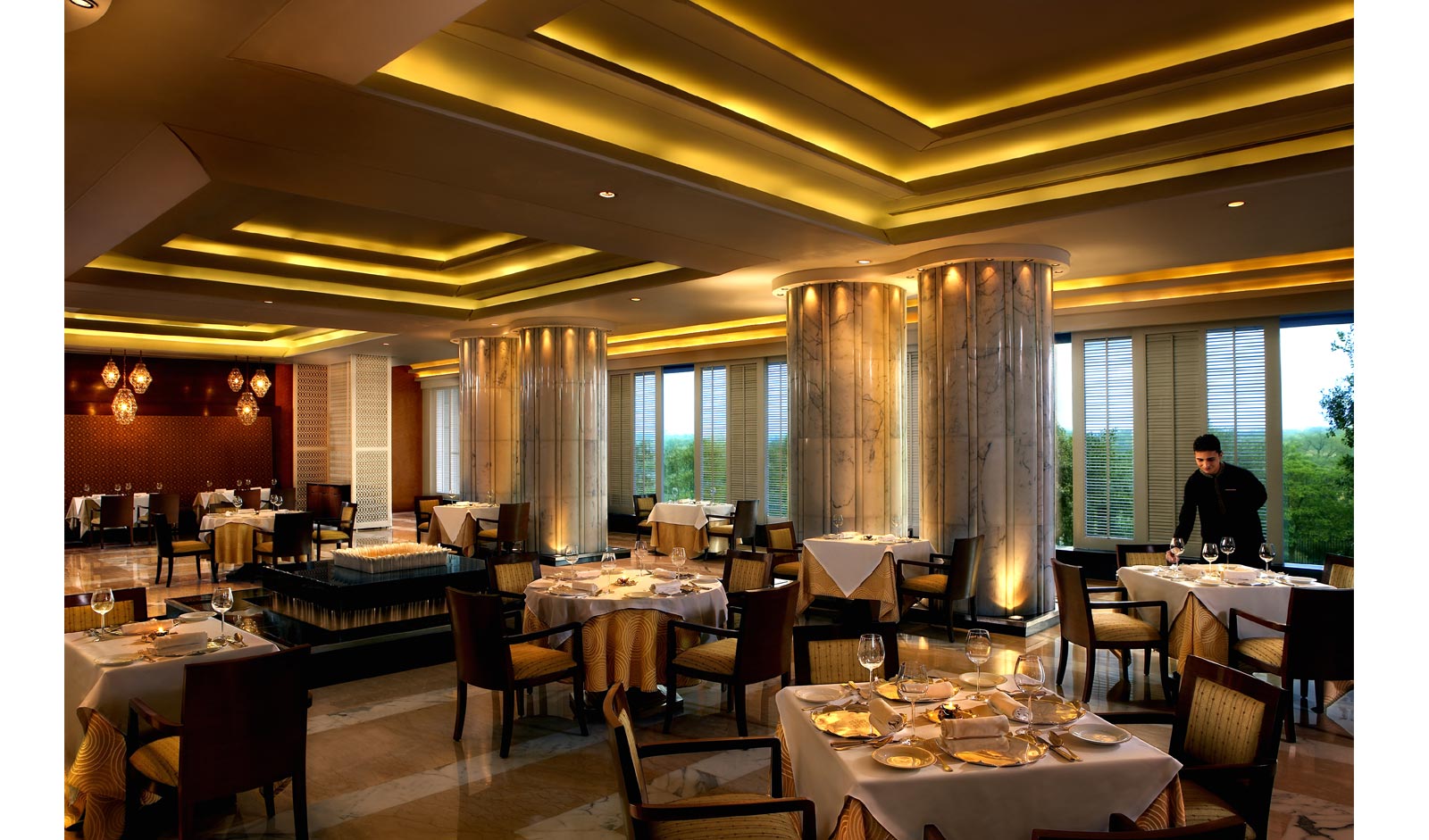
India's restaurant industry is in the middle of a quiet revolution - and it's happening behind the bar. Restaurants that once treated beverages as an afterthought are now discovering that their bar is the single biggest untapped profit centre in the room. This article explains why that shift is happening, what a real beverage programme looks like, and how restaurant owners can capture the margin that most of the industry is currently leaving on the table.
Why Your Restaurant Bar Is Leaving Money on the Table
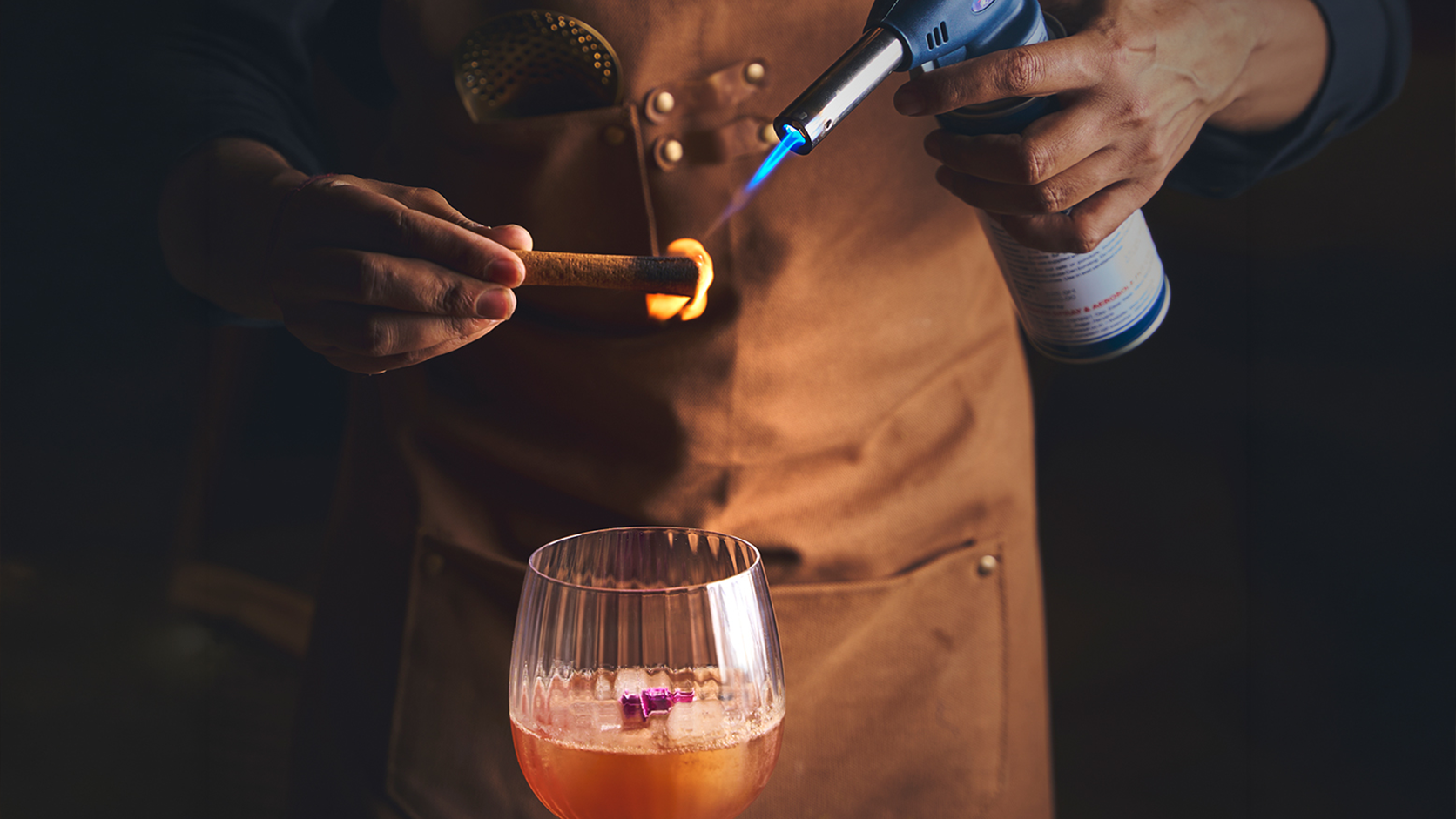
Beverages are among the highest-margin items on any restaurant menu. A well-priced cocktail that costs ₹130 to ₹160 to make and sells for ₹700 to ₹900 generates a margin per unit that no main course can match. And yet the majority of Indian restaurants treat their bar as a secondary function - a place to park a bottle service list and pour a few classics on request, rather than a designed programme with its own identity, its own menu logic, and its own commercial targets.
The gap is measurable. Restaurants with a developed beverage programme routinely see 30 to 40 percent of total sales come from drinks. The industry average in India is closer to 10 to 15 percent. That gap is not caused by guest demand - guests are actively spending more on quality drinks than at any point in the industry's history. It is caused by supply: most restaurants simply do not offer the guest a reason to.
Closing that gap is the highest-ROI investment most restaurants can make. It requires very little capital, and it typically pays back inside a single quarter.
What Is a Beverage Program and Why It Matters
A beverage programme is a system - a coherent set of intentional decisions about what you serve, why you serve it, how it is made, how it is priced, and how it is sold across the guest's entire experience. It is not a cocktail menu. A cocktail menu is one output of the programme.
A full programme includes a cocktail menu with a clear point of view, a set of standardised recipes that make consistency possible across every shift and every bartender, a curated spirits selection that reflects the restaurant's positioning without over-stocking, a serious non-alcoholic section priced deliberately, a pricing architecture that engineers margin across the whole menu rather than drink by drink, and a service protocol that turns a bar server into an active seller rather than a passive order-taker.
The reason it matters is simple: without a programme, the bar behaves like an accessory. With a programme, the bar becomes a business inside the business - measurable, improvable, and capable of contributing a third of total revenue instead of a tenth.
What Mixology Consulting Actually Includes
Mixology consulting is often described in vague terms, which does the discipline no favours. In practice, a well-scoped consulting engagement for a restaurant covers four concrete areas. Concept alignment - making sure the bar's identity fits the restaurant's cuisine, price point, and guest profile rather than fighting them. Menu architecture and recipe development - building a specific number of specific drinks that solve specific commercial problems and can be executed consistently by the team the restaurant actually has, not the team it wishes it had.
Pricing and margin engineering - costing every drink to the millilitre, positioning the menu to steer guests toward the high-margin items, and setting the anchor drinks that make the rest of the list feel reasonably priced. And team training and SOP documentation - because a menu without documented recipes and a trained team is a menu that dies the day the head bartender takes a night off.
A typical restaurant menu design engagement in India runs ₹2–5 lakh; a full beverage programme scoped end-to-end sits above that range and is quoted against the specific outcomes required.
How to Design a Cocktail Menu That Sells
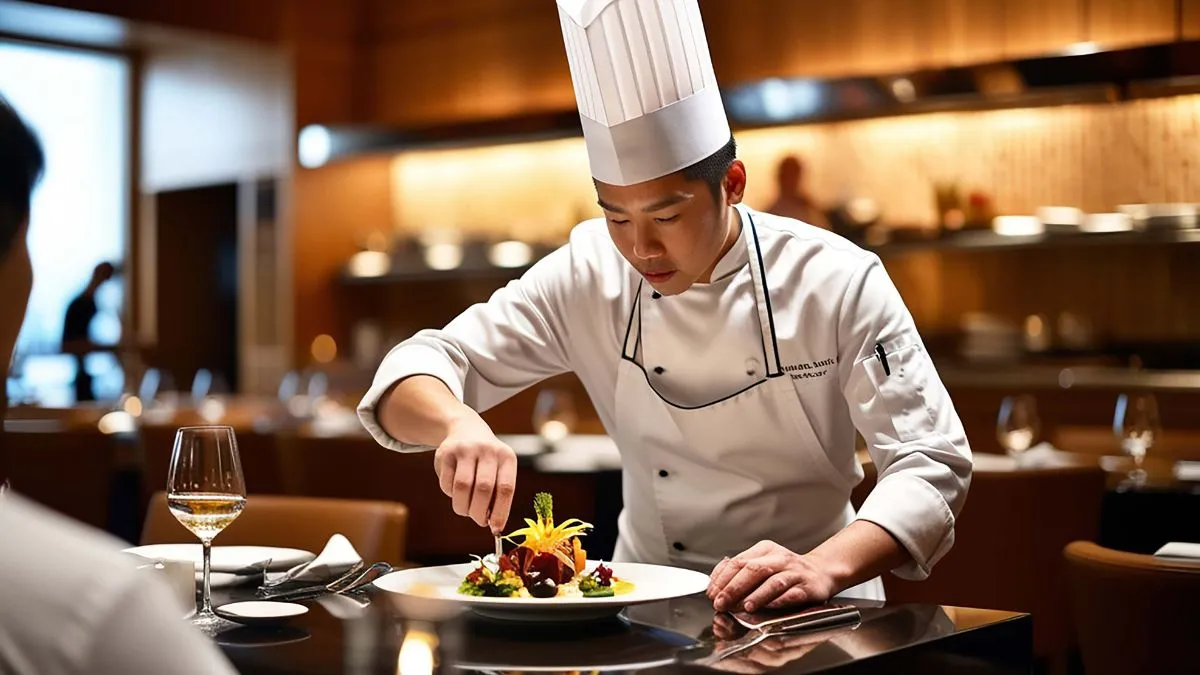
The rules of good cocktail menu design apply to restaurants as much as to standalone bars, with one important addition: the menu has to work alongside the food, not against it. That means paying explicit attention to how the drinks pair with the kitchen's flavour palette and how the pacing of a cocktail order fits the pacing of a meal.
Lead with identity, not inventory. A cocktail list that reads like a spirit inventory tells the guest nothing about what the restaurant believes. A list of eight to twelve carefully chosen drinks - organised by mood or flavour rather than spirit - tells the guest exactly what the restaurant is trying to be, and helps them choose faster.
Edit ruthlessly. Twelve considered cocktails will always outperform twenty average ones on both revenue per cover and margin per drink. Name for emotion rather than for ingredient. Build in seasonal flexibility with a rotating section that changes every three months, and use that rotation to keep regulars engaged and give the marketing team something new to talk about four times a year.
Mixology Trends Shaping Indian Restaurants
The Indian craft spirits revolution is the single most important trend of the decade. Small-batch gins, Indian single malts, agave-style spirits distilled in the Deccan, artisanal rums out of Goa and Kerala - the domestic category is finally producing spirits that are commercially viable, culturally distinctive, and priced to give a restaurant real margin. A cocktail menu that leans into Indian craft spirits in 2026 is both commercially smart and culturally on-brand.
Regional and hyperlocal ingredients are the second big shift. Guests are actively rewarding menus that reference the actual place they are drinking in - kokum from the Konkan coast, gondhoraj lime from Bengal, jaggery from Kolhapur, wild honey from the Nilgiris. This is not garnish theatre; it is genuine terroir, and it commands premium pricing when done seriously.
The third shift is the maturation of the no-and-low category. The zero-proof drink is no longer a fresh lime soda served with an apology. Serious restaurants are building non-alcoholic cocktails with the same care as their spirited menu - spirit-alternative distillates, complex shrubs, tea-based builds - and pricing them accordingly. The category is growing double digits every year and will keep doing so.
How The Bar Consultants Elevate Restaurant Beverage Programs
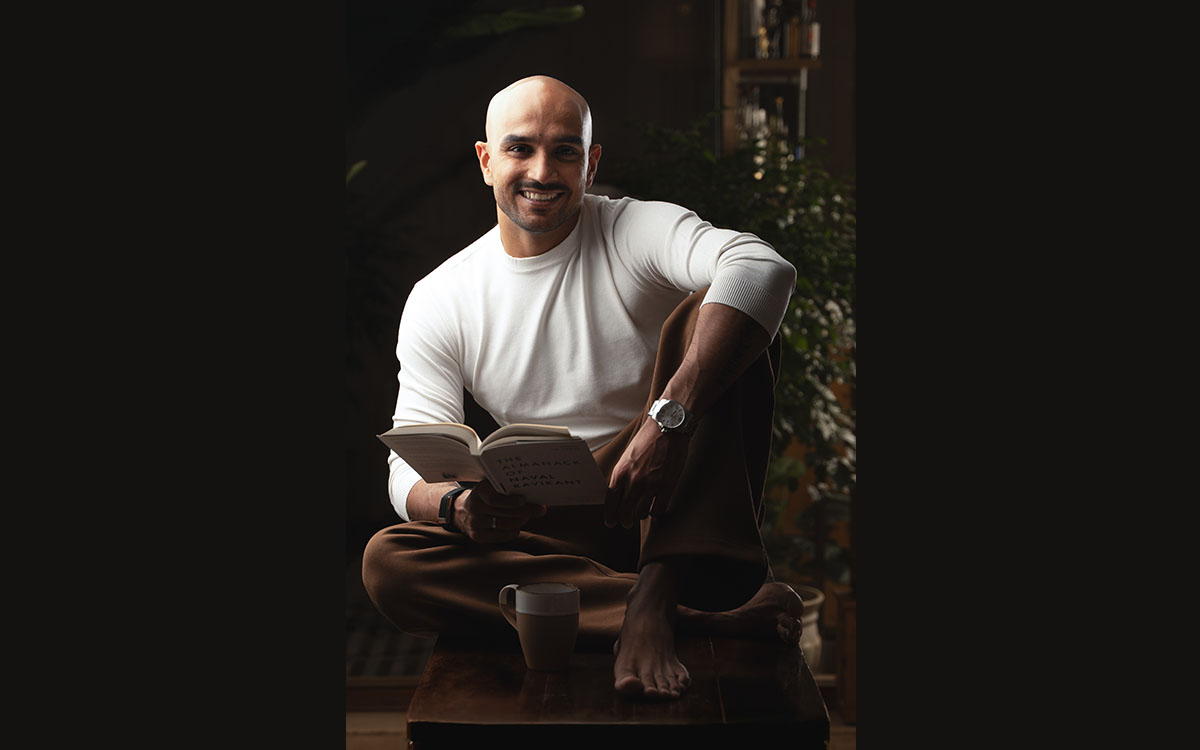
The Bar Consultants was founded by Angad Chachra with a conviction that the bar is not the restaurant's supporting act - it is a business inside the business, and it deserves to be designed with the same rigour as the kitchen. Over the past decade, TBC has built and reset beverage programmes across independent restaurants, restaurant groups, and multi-outlet hotels across every major Indian market and several Tier 2 cities where the opportunity is currently greatest.
The engagement model is deliberate. We start with a diagnostic - the numbers, the menu, the team, the room. From that diagnostic comes the plan: a repositioned identity if the current one is not working, a rebuilt menu costed to the millilitre, a documented recipe book that survives staff turnover, a training curriculum for the incumbent team, and a set of KPIs the restaurant can actually track after we leave. The goal is not a menu you post on Instagram. The goal is a bar that keeps earning six months and six years after the engagement ends.
FAQs: Mixology for Restaurants
Elevate Your Restaurant's Beverage Program
We build and reset beverage programmes for restaurants across India.
Get in Touch