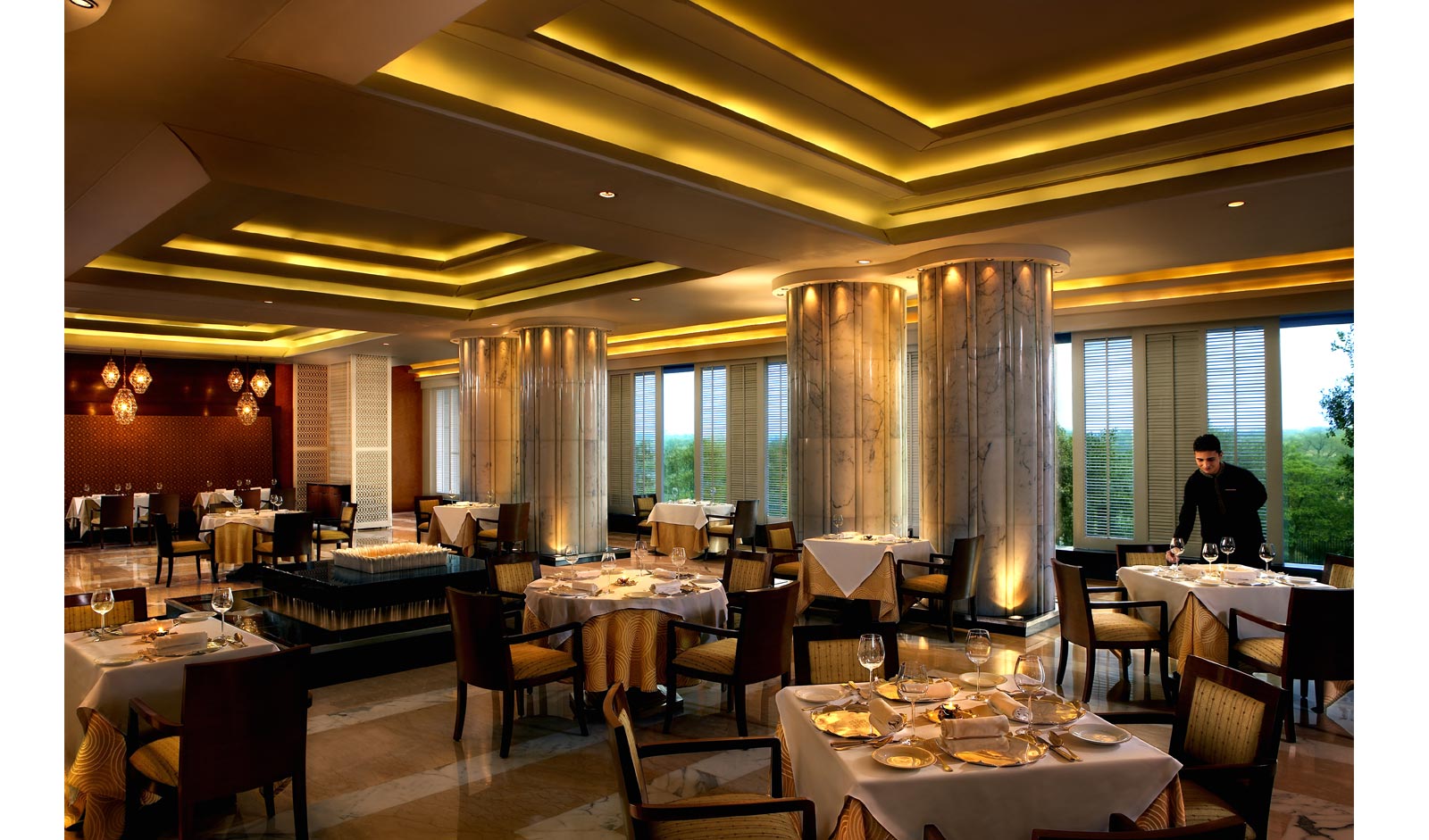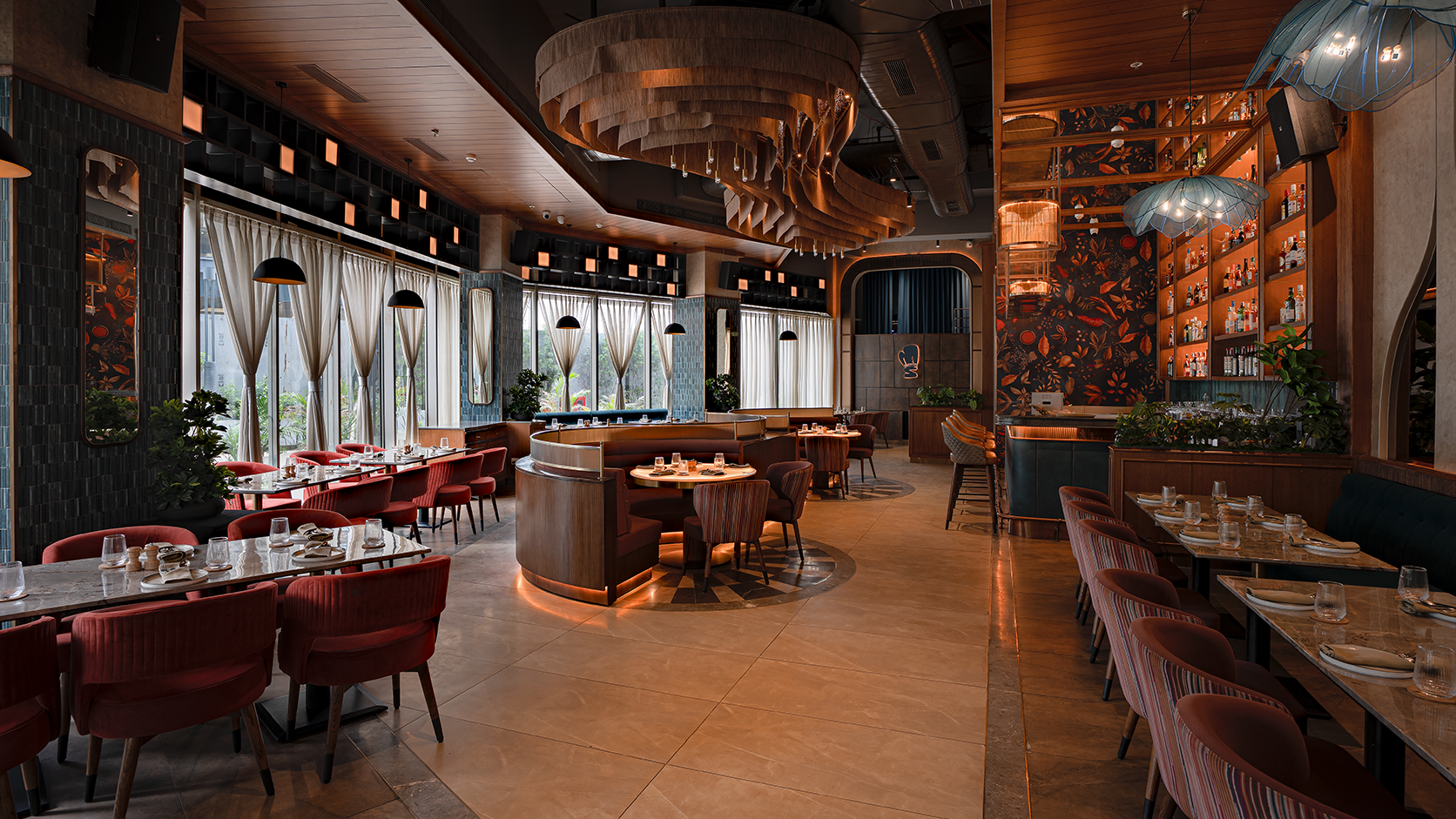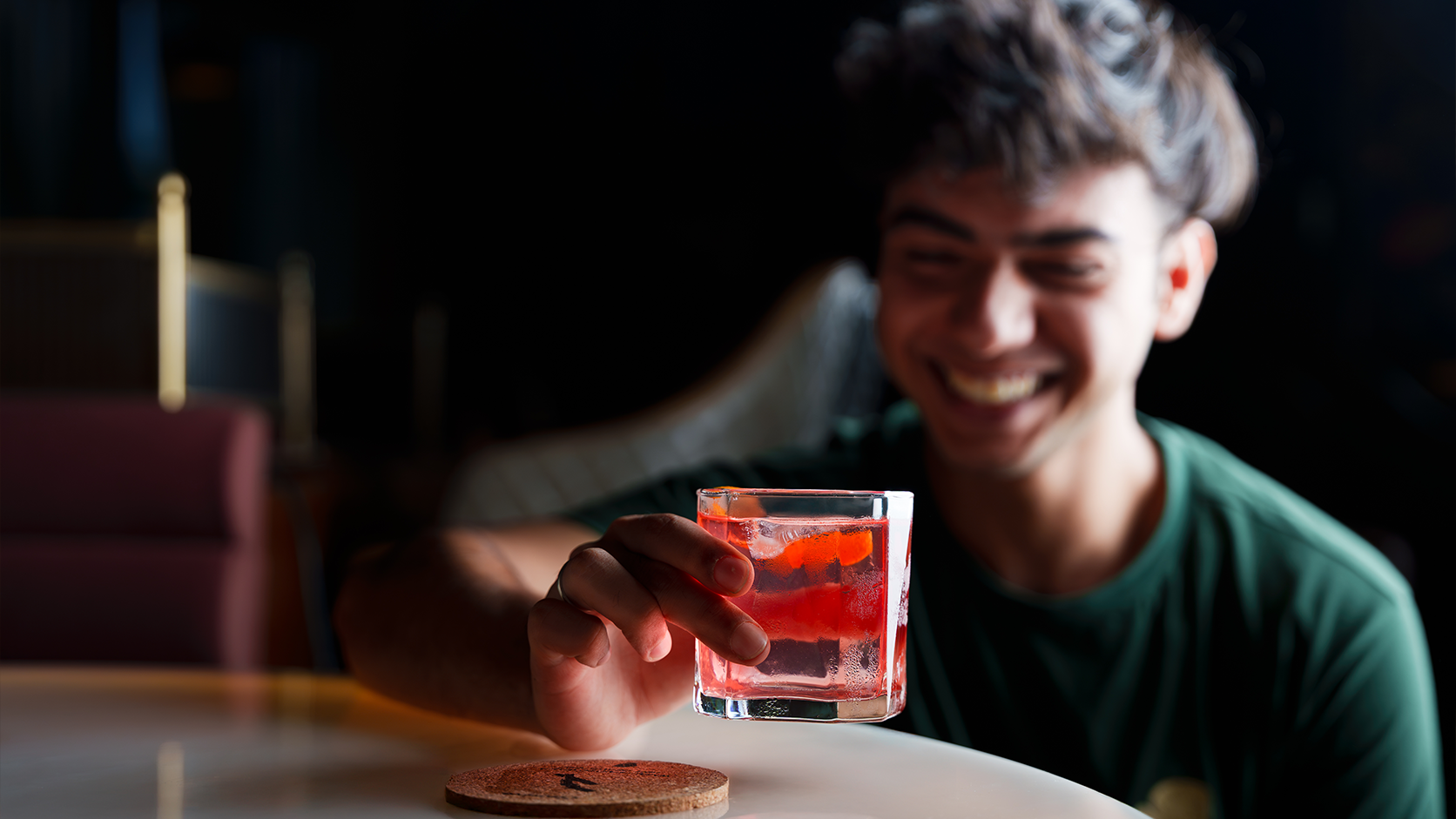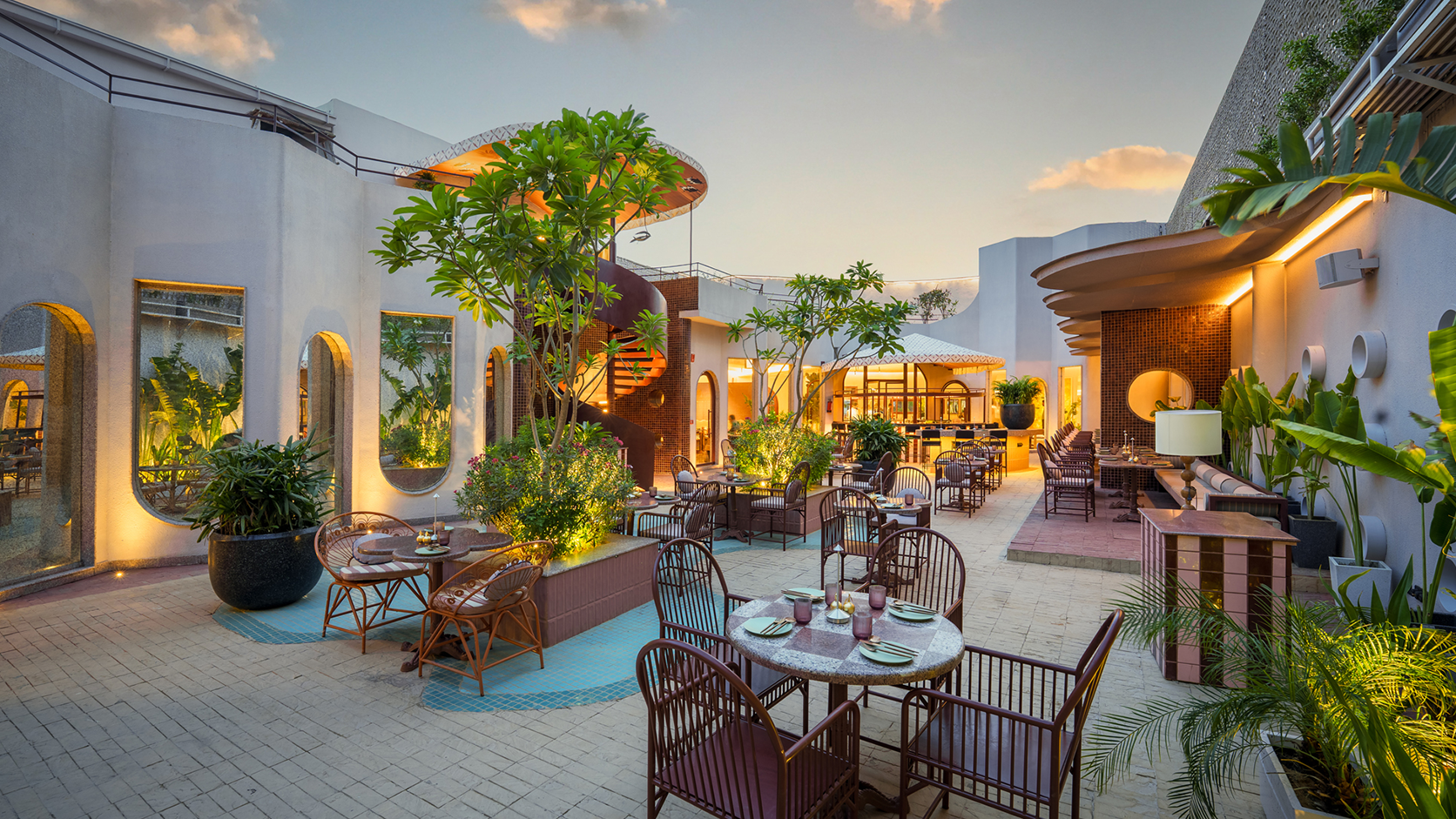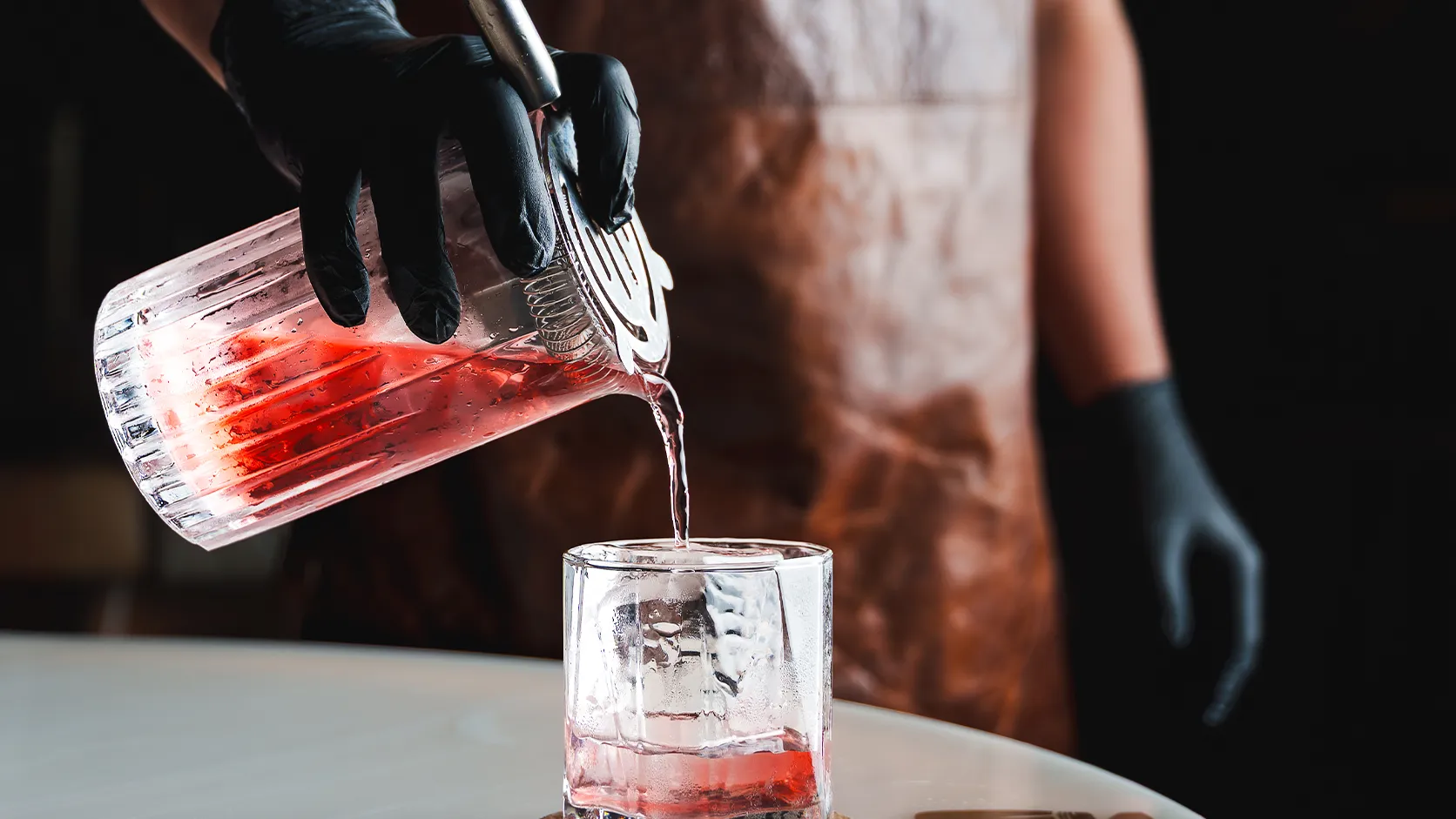
The hotel bar has a unique problem in India: it is one of the most commercially promising assets in any property, and one of the most consistently underperformed.
The hotel bar has a unique problem in India: it is one of the most commercially promising assets in any property, and one of the most consistently underperformed. Walk into ten five-star hotel bars in the country on a Tuesday evening and you will find eight of them half-empty, staffed by teams doing their best inside a concept that no one has updated in a decade. The revenue potential is enormous - and it is almost always trapped behind five very fixable operational problems.
Why Most Hotel Bars Fail to Hit Revenue Targets
Hotel bars underperform for four connected reasons. The concept is undefined - "the bar at the hotel" is a location, not a proposition. The menu is generic - an inherited spirits list and a page of classic cocktails that could belong to any property in any city. The team is under-equipped - trained to serve efficiently but not to sell, storytell, or build regulars. And the bar is not managed like a business - no P&L, no KPIs, no accountability beyond a monthly F&B review that treats the bar as a line item on a spreadsheet.
None of these problems require capital investment to fix. They require intent.
Expert Tip 1: Build a Bar Identity That Fits Your Brand
A hotel bar identity answers three questions honestly: Who is our guest? What do we want them to feel? And what makes this bar unlike anything else the guest could choose tonight - inside the hotel or outside it? A hotel bar that competes with the hotel's own coffee shop for the same guest at the same hour is losing before service begins.
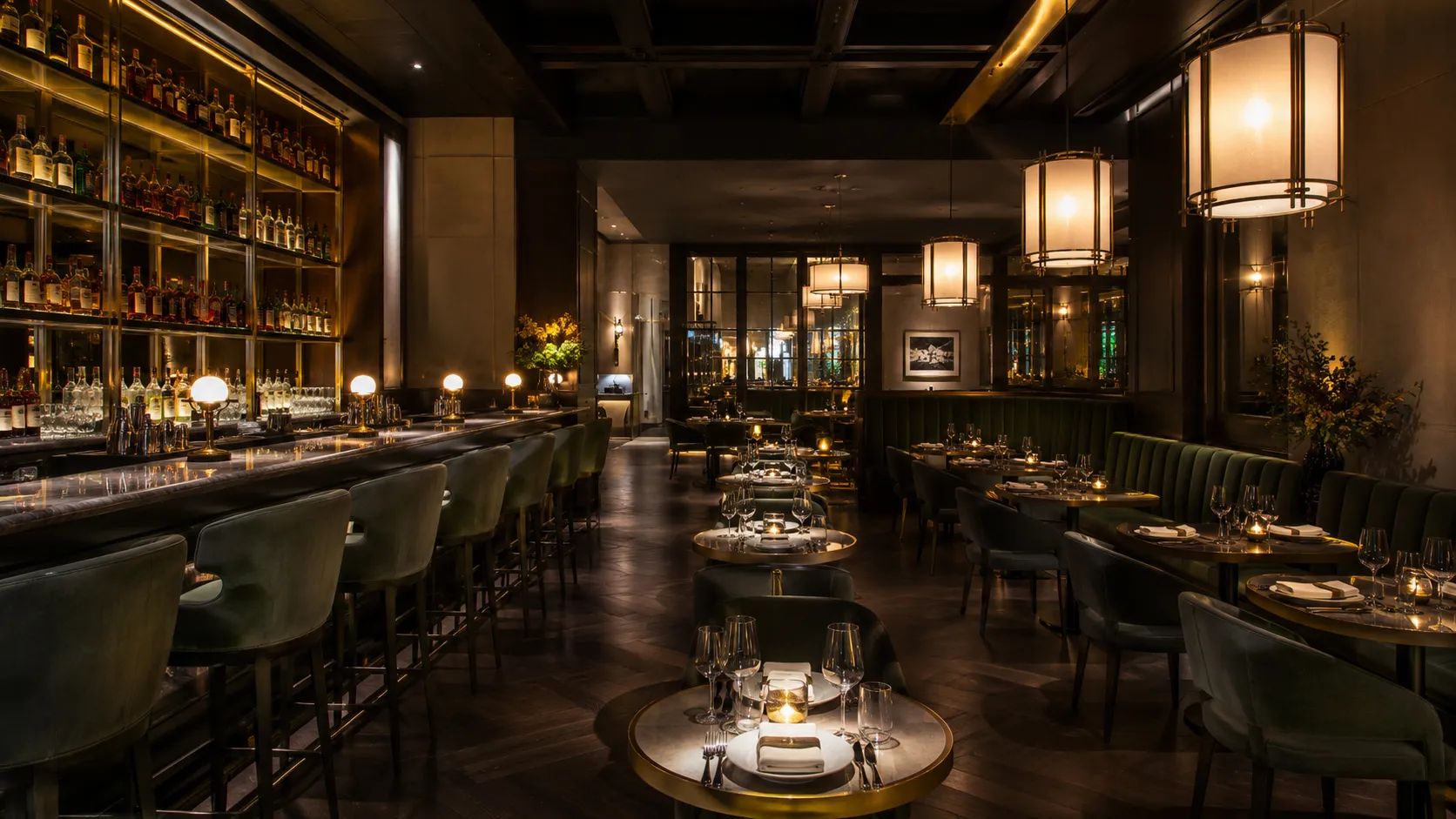
The best hotel bars in the world - Bemelmans at the Carlyle, the American Bar at the Savoy, Manhattan at the Regent Singapore - earn their reputation because their identity is unmistakable. You cannot mistake one for the other. In India, the properties that have understood this - a handful in Mumbai, Delhi, and Bengaluru - have turned bars that were previously loss centres into flagship destinations that pull external footfall. The playbook is not secret. It is just rarely executed.
Identity has to be operational, not aspirational. It shows up in the drink list, the glassware, the music, the lighting, the uniform, the vocabulary the team uses when they describe a drink. A hotel bar with a stated identity but a generic menu is not fooling anyone.
Expert Tip 2: Design a Cocktail Menu for Maximum Margin
A focused menu of 8–12 cocktails is dramatically more effective commercially than one of 20. Every additional drink dilutes the identity of the bar, complicates the pour-cost calculation, extends the training curve for new staff, and - most importantly - increases the time a guest spends deciding rather than ordering.
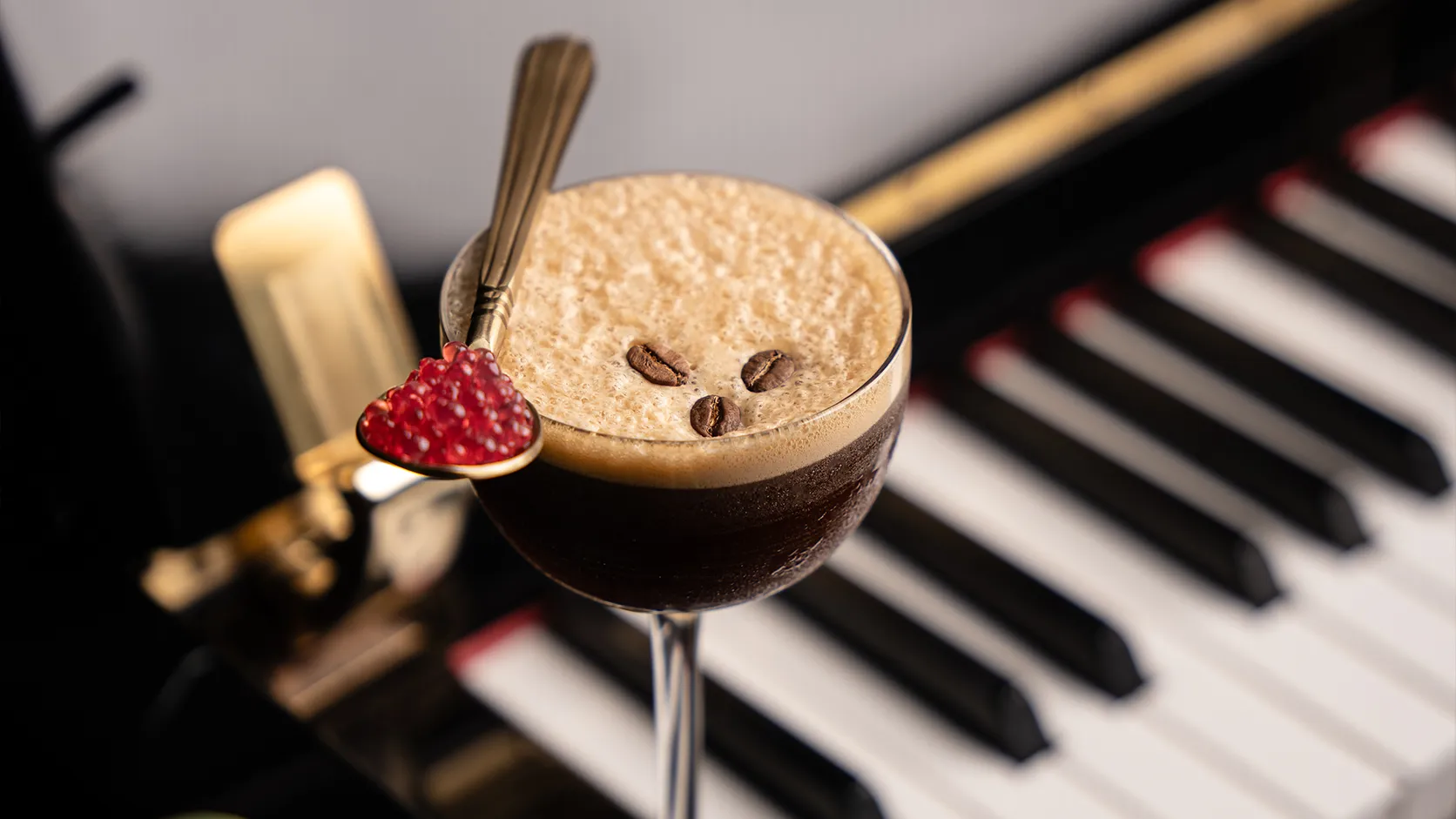
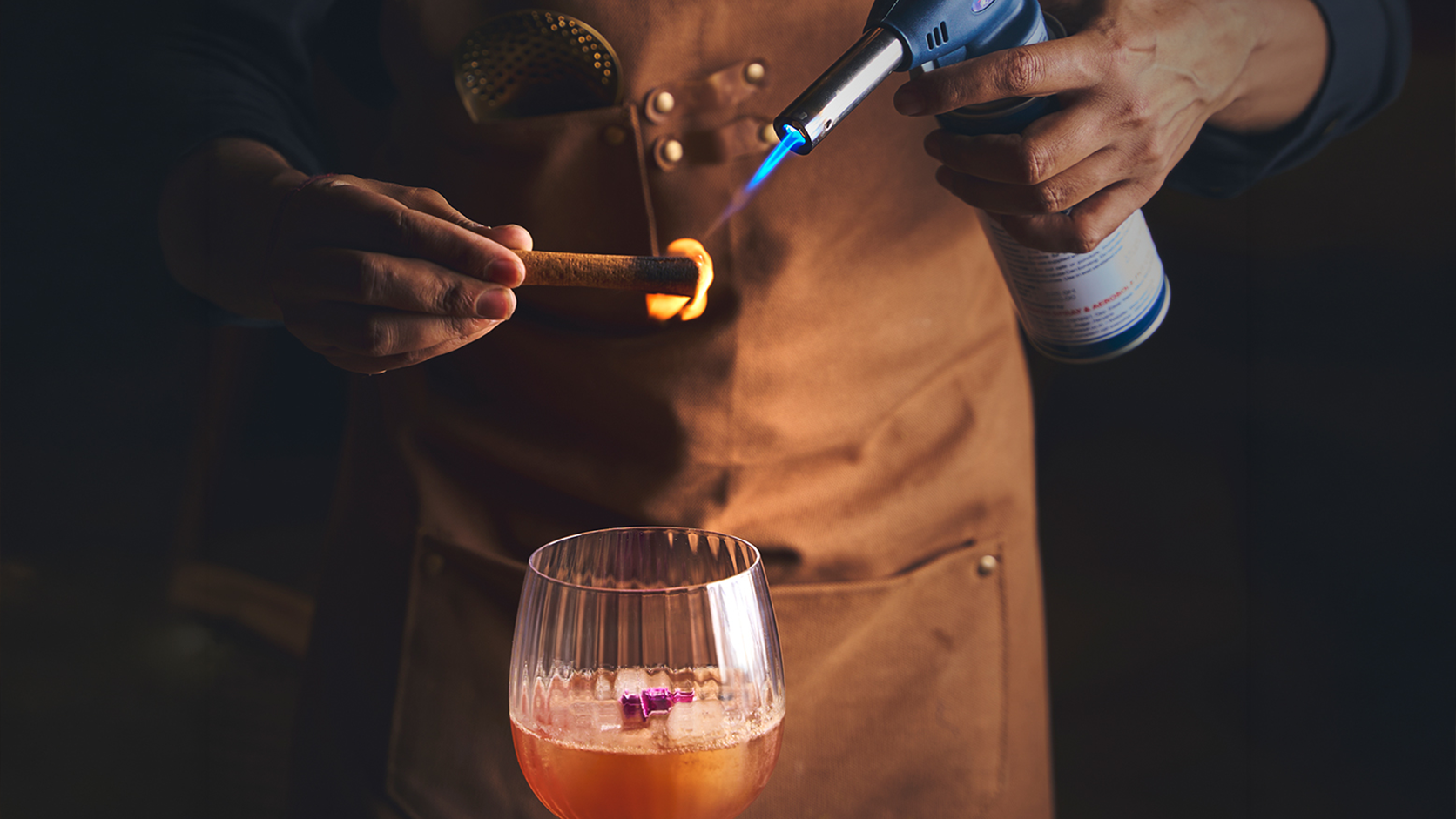
Every hotel bar should have two or three signature cocktails that a guest cannot get anywhere else, priced at the top of the menu, and featured in the visual hierarchy. Signature cocktails are what a returning business traveller orders on autopilot in month twelve, and what they describe to a colleague on a call the next morning. That word-of-mouth is worth more than any campaign the marketing team is running.
Do not neglect the non-alcoholic programme. A meaningful percentage of hotel bar guests - pregnant guests, non-drinkers, guests on medication, guests taking a night off - will order zero-proof if the option feels considered rather than apologetic. A short, well-priced no-and-low list is one of the highest-return additions any hotel bar can make.
Expert Tip 3: Train Your Team to Sell, Not Just Serve
Most hotel bar teams are trained to service standards - greet within 30 seconds, present the menu, take the order accurately, deliver on time. All of that is necessary and none of it is sufficient. The revenue difference between a well-serviced bar and a well-sold one is 20 to 40 percent on the same footfall.
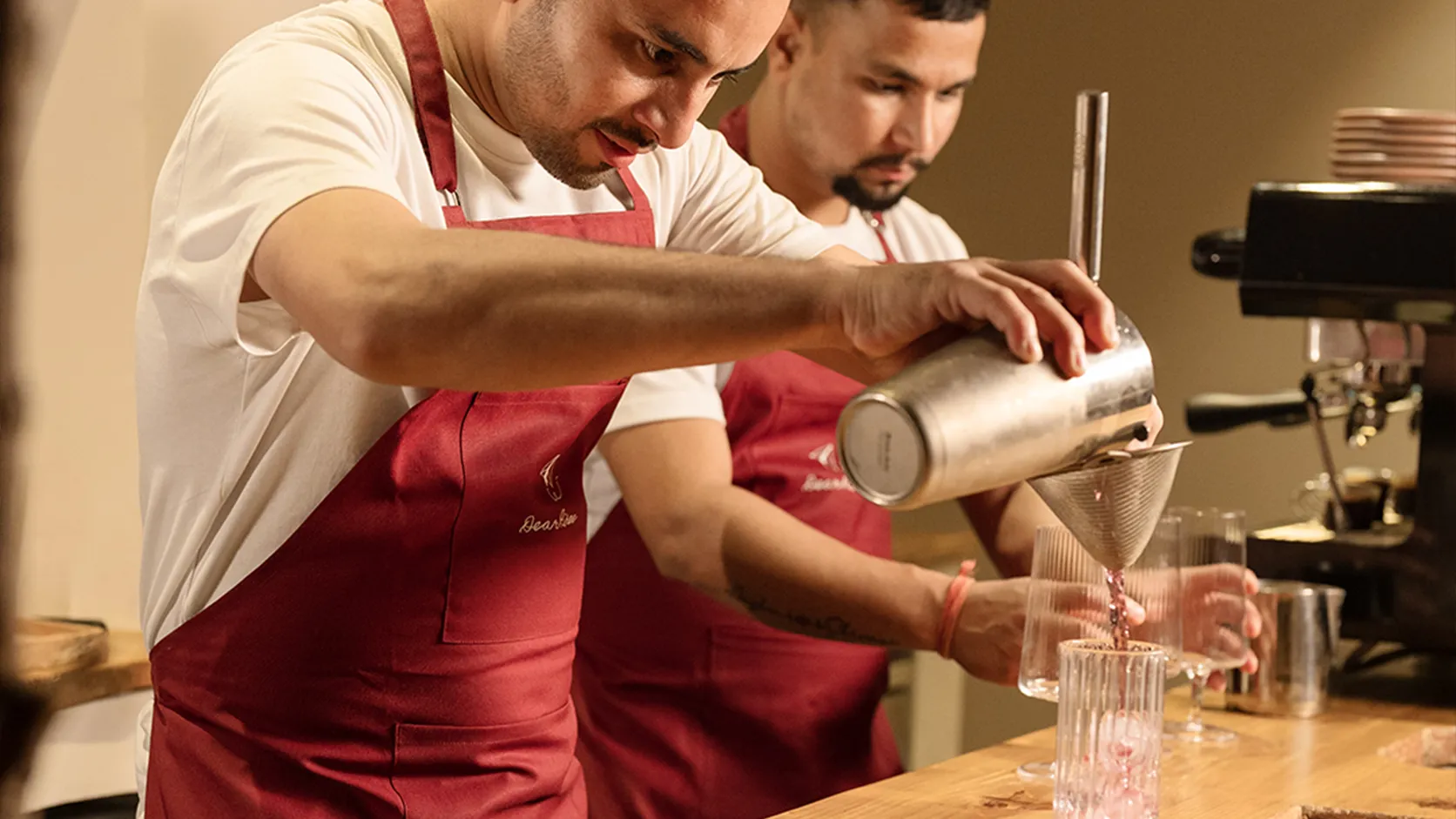
Train for three specific capabilities beyond service. Product knowledge - every server should be able to describe every cocktail on the menu in a single sentence without reading it. Conversational confidence - the ability to guide an undecided guest toward a signature cocktail without making the guidance feel transactional. And upsell as hospitality - the ability to recommend a second drink, a premium spirit substitution, or a bar snack in a way that adds to the guest's experience rather than extracting from it.
This training is not a one-day workshop. It is a recurring investment - monthly tastings, weekly briefings, quarterly reviews with the beverage manager. Teams that are trained continuously behave differently on the floor, and the difference shows up in the cover average within a month.
Expert Tip 4: Optimise Bar Operations and Track KPIs
You cannot improve what you do not measure. Every hotel bar should track a small set of KPIs weekly and review them monthly with a named owner. The essential five: beverage cost percentage (target 20–28% for cocktails, 15–20% for neat spirits), revenue per available seat per session, cocktail-to-spirit sales ratio (aim for 40% cocktail contribution or higher - that's the margin engine), average check per cover, and repeat guest rate.
The last of those is the one most hotel bars never measure and most independent bars obsess over. In a hotel, a returning in-house guest is your most valuable customer - they have already made the decision to be in the property, and their spend on their second, third, and tenth visit is pure upside. Track them by name if the property allows it. Greet them by preference on the second visit. That is the difference between a hotel bar and a great hotel bar.
Expert Tip 5: Use Events and Programming to Drive Footfall
A hotel bar with no programming calendar depends entirely on walk-in occupancy. That is a fragile business model. A hotel bar with a well-designed programming calendar builds anticipation, gives local media something to write about, and creates specific reasons for external guests to enter the property on a specific night.
The programming that reliably works: themed cocktail nights tied to seasons or spirits categories, craft spirits masterclasses that charge a fee and cover their own cost, seasonal cocktail menu launches with a soft-launch preview for regulars, and corporate happy hour programming aimed at the office towers within walking distance. None of this is capital-intensive. All of it is operationally consistent.
Programming is also how a hotel bar builds a name locally. In-house guests will find the bar because it is in the hotel; external guests will only find it if there is a reason to walk past the lobby.
How a Bar Consultant Transforms Hotel F&B Revenue
A specialist engagement typically begins with a diagnostic audit - a two-week deep read of the bar's current state across menu, pricing, service, team capability, physical layout, and financial performance. From that audit come the strategic decisions: new concept, new menu, new pricing, new training curriculum, new SOPs, new programming calendar, new KPI dashboard.
The typical timeline for measurable results is predictable. Operational improvements - faster service, cleaner pours, tighter costs - appear within 30 to 60 days. Revenue improvements - higher covers, higher average check, better cocktail ratio - appear at 60 to 90 days. Full commercial impact - repositioned brand, established local reputation, sustainable revenue lift - takes 6 to 12 months. Hotel groups that engage on shorter horizons rarely see the full return; hotel groups that engage seriously almost always do.
FAQs: Hotel Bar Profitability
Turn Your Hotel Bar Into a Revenue Driver
We reposition hotel bars end-to-end - concept, menu, team, and operations.
Book a Consultation