Ask five cafe owners what it cost them to open, and you'll get five different numbers, because the honest answer depends on size, city, and how much of the space needed to be built from scratch.
Ask five cafe owners what it cost them to open, and you'll get five different numbers, because the honest answer depends on size, city, and how much of the space needed to be built from scratch. What follows is a realistic 2026 breakdown, not a single headline figure that ignores your specific format.
Cost by Cafe Size
Small cafe, under 800 sq ft runs ₹5 lakh – ₹12 lakh, typically covering limited seating, focused menu, lower equipment load. Mid-size cafe, 800–2000 sq ft runs ₹12 lakh – ₹25 lakh, typically covering full seating area, espresso program, small kitchen. Large or premium cafe, 2000+ sq ft runs ₹25 lakh and above, typically covering extended menu, statement interiors, larger back of house.
Where the Money Actually Goes
Interiors and furniture typically take the largest single share of the budget, often 35% to 45% of total spend. Kitchen and espresso equipment, a good espresso machine alone can range from ₹1.5 lakh to ₹6 lakh depending on capacity and brand. Licenses and compliance, including FSSAI registration, trade license, and fire NOC. Initial inventory, typically ₹1 lakh to ₹2 lakh for the first stock of coffee, ingredients and packaging. And marketing and launch, often underbudgeted despite being what actually drives the first month of footfall.
Hidden Costs Nobody Warns You About
Electrical and AC upgrades, since many commercial spaces don't have the load capacity a cafe kitchen needs, adding ₹80,000 to ₹3 lakh in unplanned cost. Security deposits on commercial leases, often 6 to 10 months of rent upfront in metro cities. POS and payment infrastructure, a small recurring cost that adds up over a year. Staff training time before opening, which is unpaid productivity but very real cost. And maintenance reserve, a good rule of thumb is setting aside about 5% of the annual budget for repairs and upkeep.
How to Cut Costs Without Cutting Quality
The fastest way to blow a cafe budget is over-equipping before proving demand. A modular kitchen setup can bring equipment costs down to roughly ₹1.5 lakh for a lean cafe or hybrid format, without compromising output quality. Energy-efficient, BEE-rated appliances also cut ongoing electricity costs by roughly 10%, which matters more over three years than it seems at launch.
The other lever is sequencing. Spend on what customers notice first, seating comfort and the espresso program, before investing heavily in back-of-house flourishes that don't move footfall.
Case Study
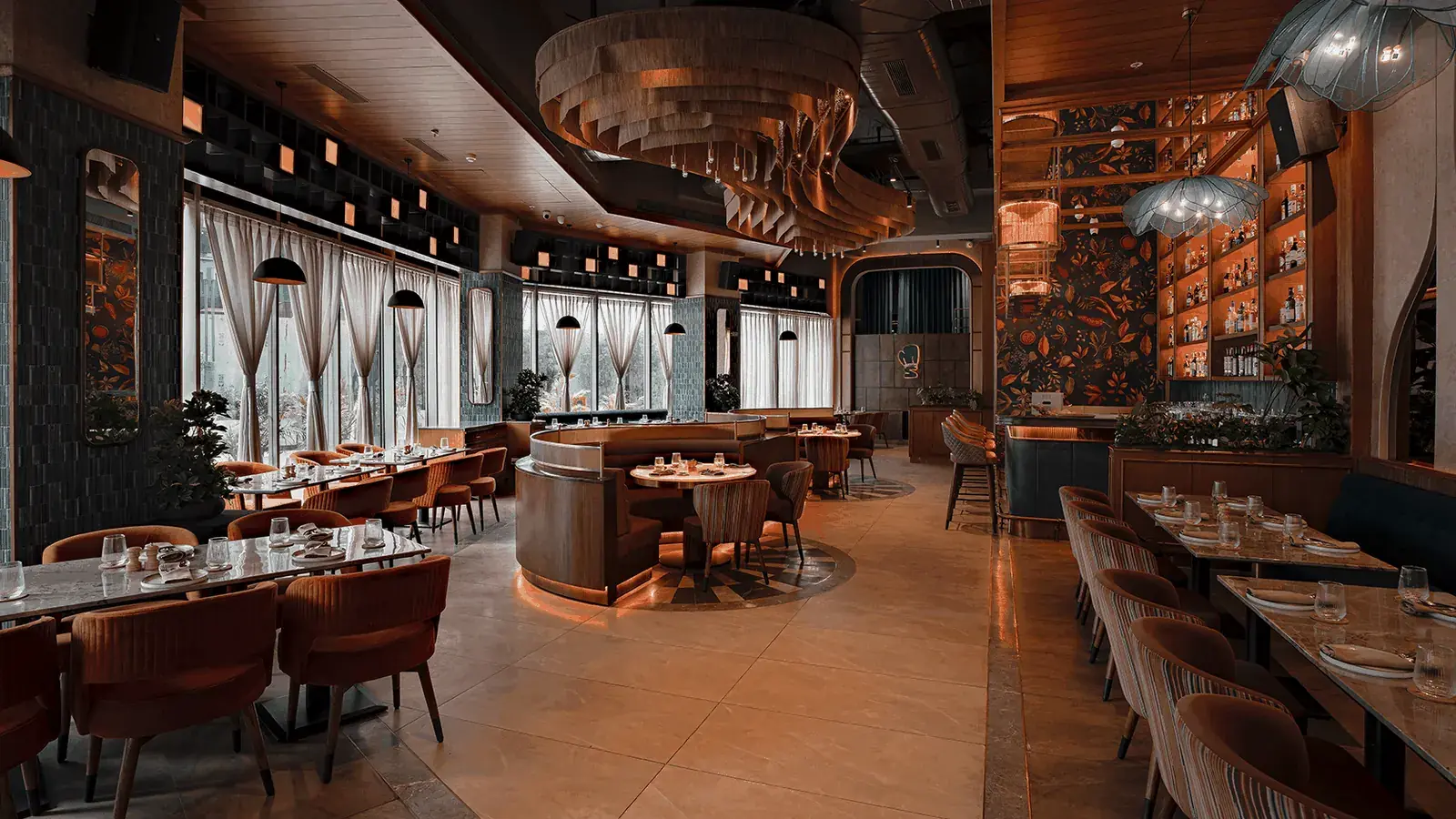
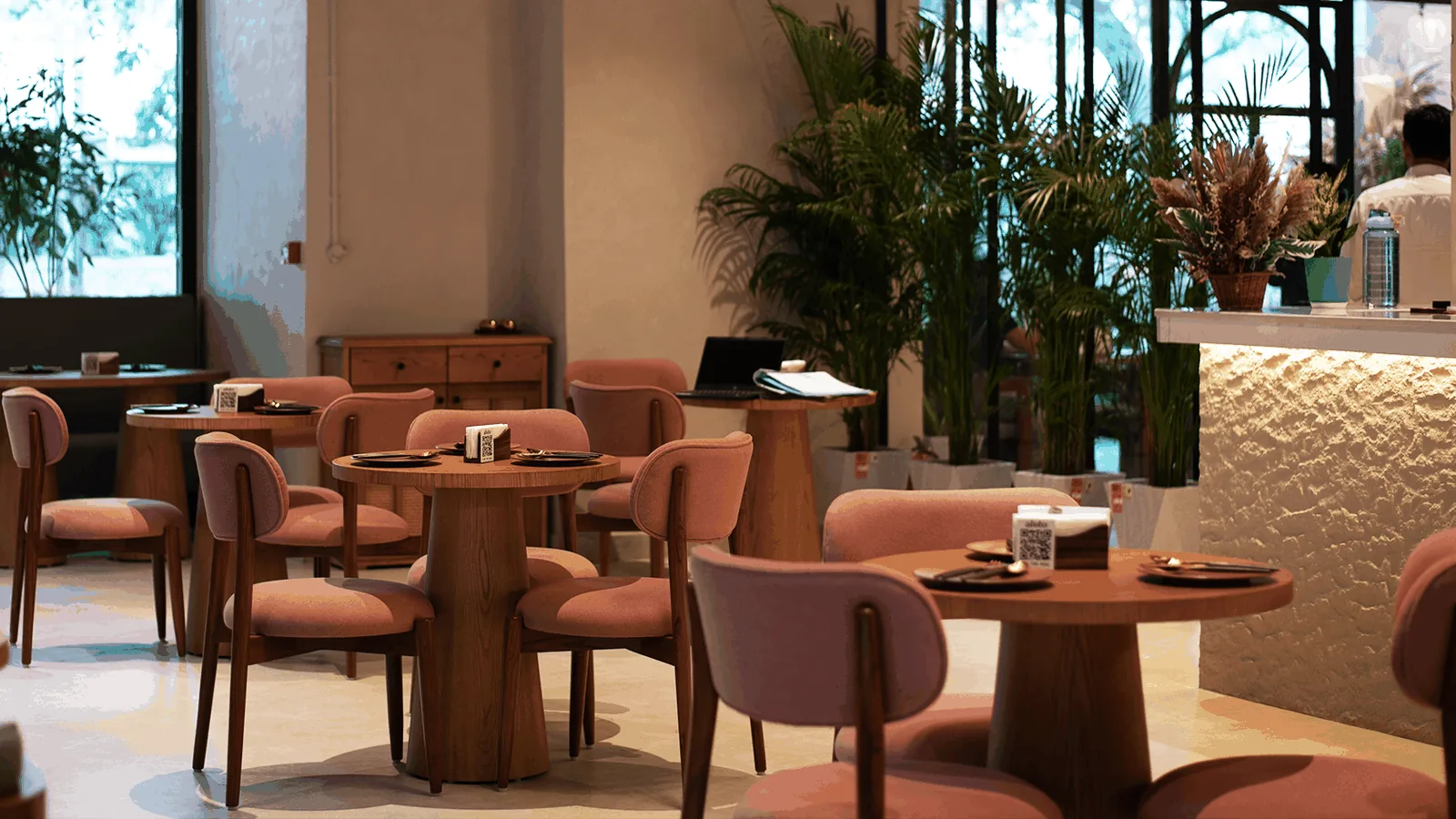
On the Afeto project in Rajouri Garden, the layout and equipment plan were built around the actual menu the kitchen needed to produce, not a generic checklist. That single decision kept the kitchen footprint smaller than a standard build, which freed up more of the budget for the seating area customers actually experience.
For a wider view of setup costs across formats, see our F&B Consultant Cost in India guide, and if a cocktail or bar program is part of the plan, our Bar Menu Engineering guide is a useful next read.
Monthly Operating Cost After Launch
Rent runs ₹60,000 – ₹3 lakh, typically covering varies heavily by city and footfall location. Staff salaries runs ₹1 lakh – ₹3 lakh, typically covering depends on headcount and city wage benchmarks. Raw material and inventory runs ₹80,000 – ₹2.5 lakh, typically covering scales with footfall and menu complexity. Utilities runs ₹15,000 – ₹40,000, typically covering electricity load is higher for espresso-heavy cafes. Marketing runs ₹15,000 – ₹50,000, typically covering often underbudgeted in the first year.
Financing a Cafe in India
Most first-time cafe owners combine personal savings with a smaller working capital loan rather than financing the entire setup externally. Lenders typically want to see a lease agreement, a basic business plan, and some personal capital already committed before extending a loan for the balance.
Phased Investment Approach
Not every cafe needs its full equipment and interior budget spent before opening day. A phased approach, launching with a focused menu and core equipment, then reinvesting profit into expansion once demand is proven, reduces upfront risk considerably. This is particularly relevant for first-time owners without deep capital reserves, since it avoids the common trap of over-equipping a kitchen for a menu that hasn't yet proven its demand pattern.
A phased build also gives the owner real operational data before committing to a second phase of investment, actual peak hours, actual best-selling items, actual staffing needs, rather than planning entirely on assumption. Several cafe owners we've advised have used this approach specifically to avoid sinking capital into a large kitchen build before knowing which parts of the menu the market actually responds to.
Choosing Between a Standalone Cafe and a Mall or Food Court Format
Standalone cafes typically offer more control over branding, layout and pricing, but carry higher upfront fit-out cost and a longer runway to build footfall organically. Mall and food court formats benefit from existing footfall and often lower initial fit-out requirements, but come with revenue-share arrangements and less control over the customer experience end to end.
The right choice depends heavily on the concept's positioning. A destination-style cafe built around ambience and a longer stay typically performs better as a standalone format, while a quick-turnover, grab-and-go concept can perform well in a high-footfall mall or food court setting with lower marginal customer acquisition cost.
Comparing Franchise vs Independent Cafe Costs
Franchise cafe models in India typically require a franchise fee on top of standard setup costs, often ₹5 lakh to ₹20 lakh depending on the brand, along with ongoing royalty payments, usually 4% to 8% of revenue. In exchange, franchisees get an established brand, standardised systems, and often faster initial footfall than an independent concept would achieve in its first year.
Independent cafes carry higher brand-building risk but keep full margin and full creative control. For founders with a genuinely distinctive concept and the patience to build brand recognition organically, independent ownership usually delivers better long-term economics. For founders prioritising faster, more predictable returns with less creative risk, a franchise model can make sense despite the additional fee structure.
Seasonal Cash Flow Planning for Cafes
Cafe revenue in India often fluctuates meaningfully by season, monsoon months can see footfall dips in certain formats, while festive and winter months often bring stronger footfall for outdoor and semi-outdoor seating concepts. Building this seasonality into the cash flow plan, rather than assuming flat monthly revenue, prevents a founder from being caught short during a predictably slower month.
FAQs: Cafe Setup Cost in India 2026
Planning a Cafe Launch in India?
We help first-time owners budget realistically and avoid the hidden costs that derail a cafe launch.
Talk to The Bar Consultants