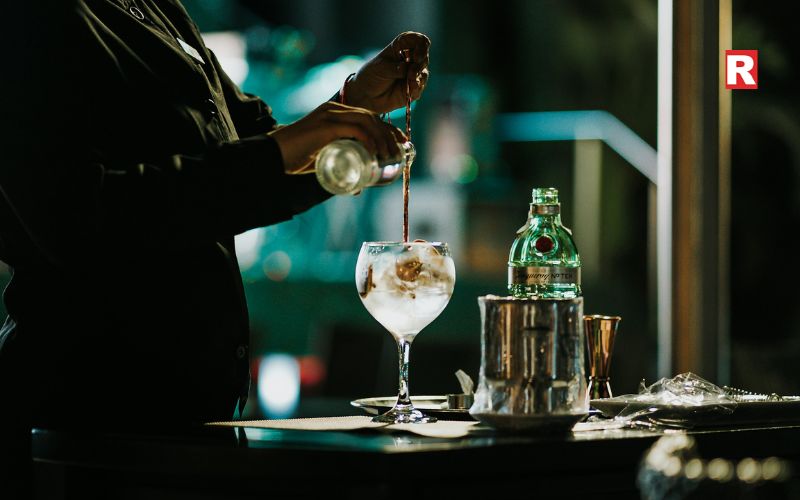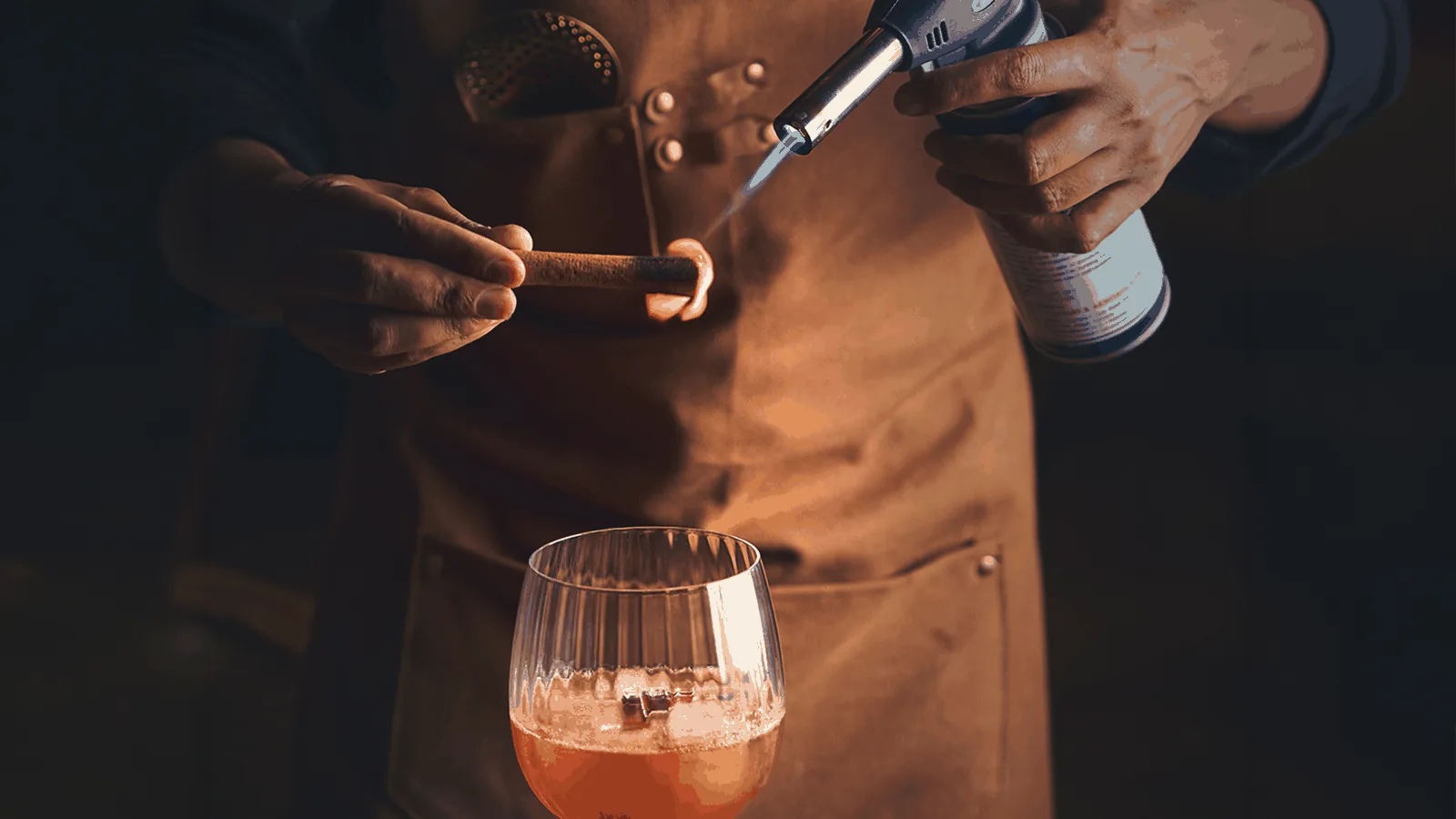
Footfall on a rainy evening behaves differently than a summer night out. Guests want warmth, comfort, and a drink that feels like it belongs to the weather outside, not a frozen margarita that was built for a heatwave.
Footfall on a rainy evening behaves differently than a summer night out. Guests want warmth, comfort, and a drink that feels like it belongs to the weather outside, not a frozen margarita that was built for a heatwave. A monsoon-specific cocktail menu is a small seasonal change that consistently lifts both average spend and guest dwell time during the wettest months of the year.
Why a Seasonal Monsoon Menu Works
Monsoon footfall in India tends to dip on the heaviest rain days and spike right after, when people finally step out. A short-run seasonal menu gives guests a reason to come specifically for something limited-time, and it gives your bar team a natural marketing hook for social media and in-app promotions without inventing a new concept from scratch.
Ingredients That Actually Work in Monsoon
Warm spices, ginger, cinnamon, clove and cardamom, which pair naturally with both dark spirits and hot mixers. Jaggery and honey-based syrups instead of plain sugar syrup, for a rounder, warmer flavour profile. Masala chai and filter coffee as cocktail bases, which resonate strongly with Indian guests during rainy weather. Citrus and tamarind for balance, since rich, warming drinks still need acidity to avoid feeling heavy. And seasonal fruit like guava, jamun and plum, which are at their peak through the monsoon months.
Sample Monsoon Cocktail Concepts
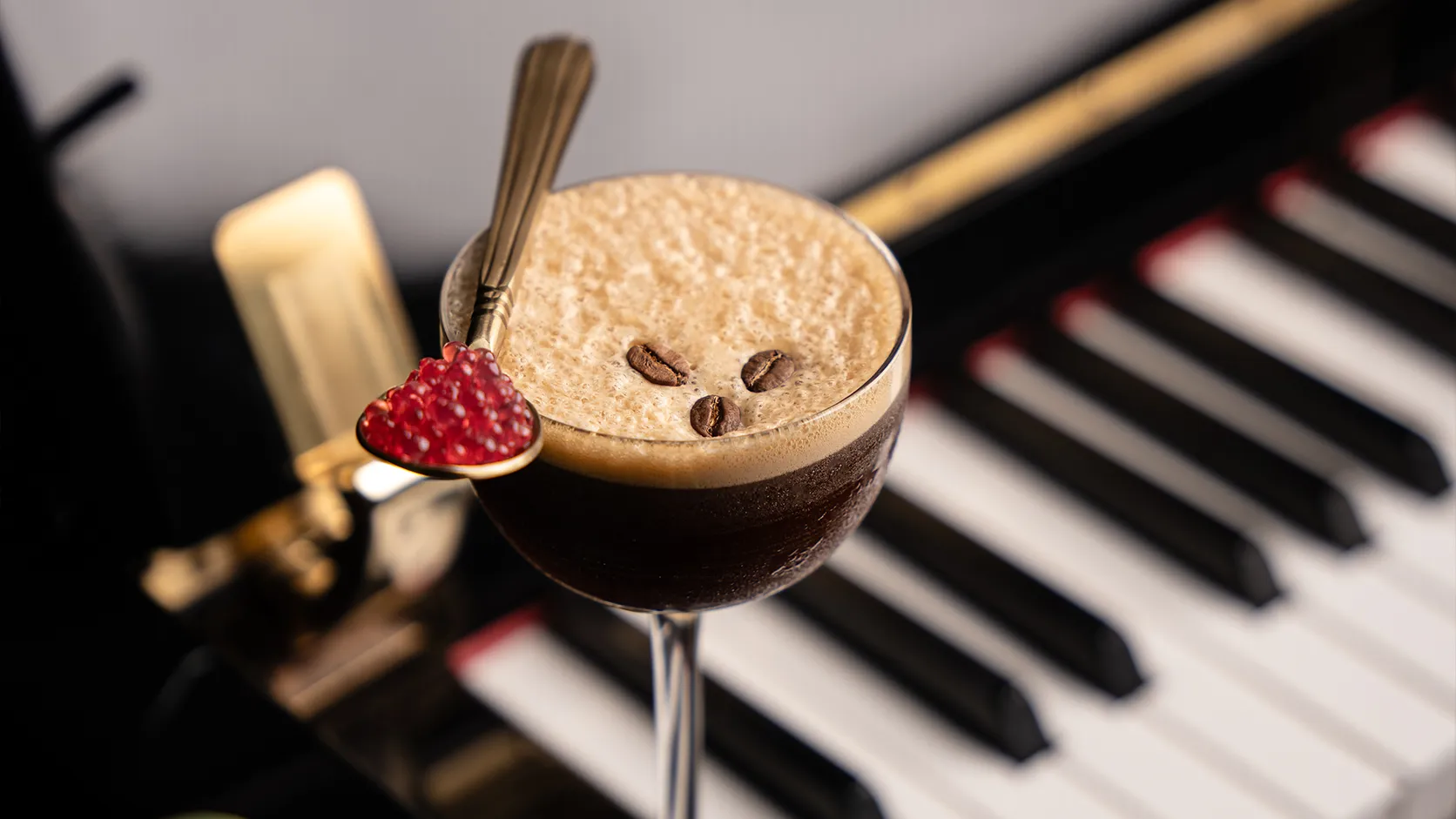
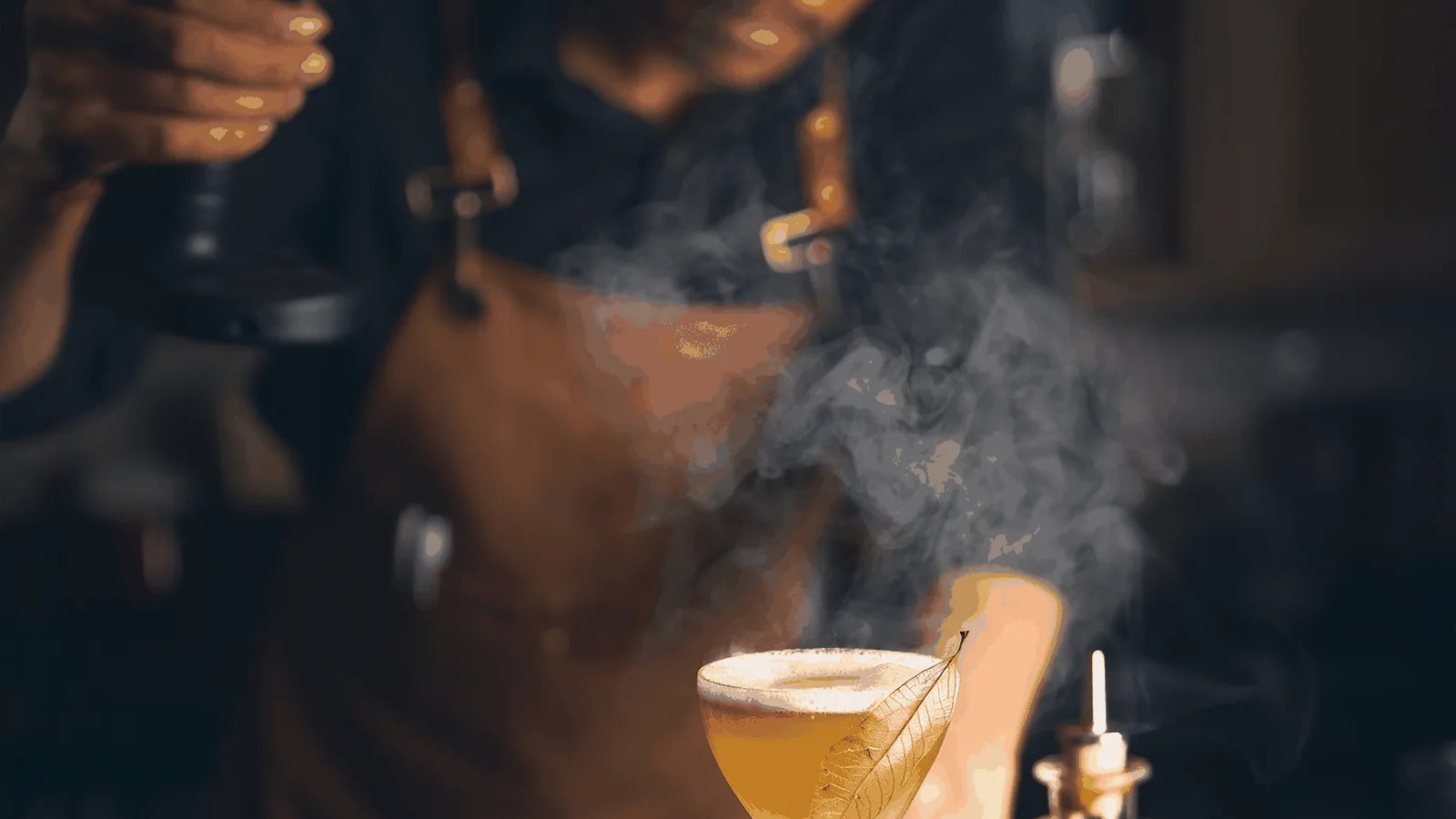
A spiced rum hot toddy variant, built around jaggery syrup, ginger and a citrus twist. A masala chai old fashioned, infusing whiskey with chai spices for a slow, warming sipper. A jamun and gin fizz, leaning on the seasonal fruit's tartness against a dry gin base. A tamarind and dark rum sour, balancing sweet, sour and warming spice in one glass. And a non-alcoholic ginger and honey mocktail, for guests who want the seasonal flavour without the alcohol.
Pricing and Menu Placement
Price monsoon specials in line with, or slightly above, your existing signature cocktails, since novelty and limited-time framing support a premium without feeling out of place on the menu. Position two or three monsoon drinks prominently at the top of the specials section rather than burying them at the bottom, where they get skipped during a quick scan.
Marketing the Seasonal Menu
Photograph drinks against a visibly rainy or cosy backdrop, this performs better on social media than a generic bar shot. Bundle a monsoon cocktail with a comfort food pairing, this lifts average ticket size beyond the drink alone. And run the menu for a defined window, six to eight weeks, so it retains its limited-time appeal rather than becoming permanent and losing urgency.
For the pricing and structure principles behind a menu like this, see our Bar Menu Engineering guide, and our Craft Cocktail Menu Design guide for the format side of building it out.
Ingredient Sourcing and Cost Table
Jamun runs Peak season, June to August, typically covering low, widely available at seasonal rates. Ginger and warm spices runs Year-round, stable pricing, typically covering low, minimal cost impact on menu. Jaggery runs Year-round, stable pricing, typically covering low, cheaper than imported syrups. Imported garnishes runs Limited during heavy monsoon logistics disruption, typically covering higher, worth substituting with local options.
Operational Considerations During Monsoon
Build in supply chain buffer time, monsoon logistics delays are common for perishable and imported ingredients. Adjust footfall-based staffing, since covers often dip on the heaviest rain days and spike immediately after. And keep a simplified backup menu for days when fresh seasonal produce delivery is disrupted.
Balancing Comfort and Freshness on a Rainy Day Menu
The instinct during monsoon is to lean entirely into warm, heavy, spiced drinks, but a menu that's uniformly rich can feel monotonous by the third or fourth item a guest considers. Balancing two or three warming, spice-forward drinks against one or two lighter, citrus-driven options gives guests genuine choice rather than a menu that reads as one flavour profile repeated with minor variation.
This balance also protects margin, since lighter citrus and fruit-forward drinks often use less expensive base ingredients than a rum or whiskey-forward warming cocktail, giving the menu a healthier overall margin mix rather than skewing entirely toward premium spirit-heavy options.
Pairing Monsoon Cocktails With Food
Monsoon cocktail menus perform better when paired thoughtfully with a complementary food offering, since rainy weather tends to drive comfort-food cravings alongside comfort-drink cravings. Warm, spiced cocktails pair naturally with fried and grilled small plates, while lighter citrus-forward monsoon drinks work well alongside seafood or lighter appetizers. Explicitly suggesting pairings on the menu, rather than leaving guests to figure it out themselves, tends to lift average ticket size through natural upsell.
Some venues build a short, dedicated monsoon set menu combining two or three pairing suggestions at a bundled price point, which simplifies the decision for guests and often outperforms a la carte ordering during a season when guests are looking for an easy, comforting choice rather than an extensive decision process.
FAQs: Monsoon Cocktail Menu Ideas for Indian Bars and Restaurants
Building a Seasonal Menu That Sells?
We design limited-run cocktail menus that boost footfall through the slower monsoon months.
Talk to The Bar Consultants