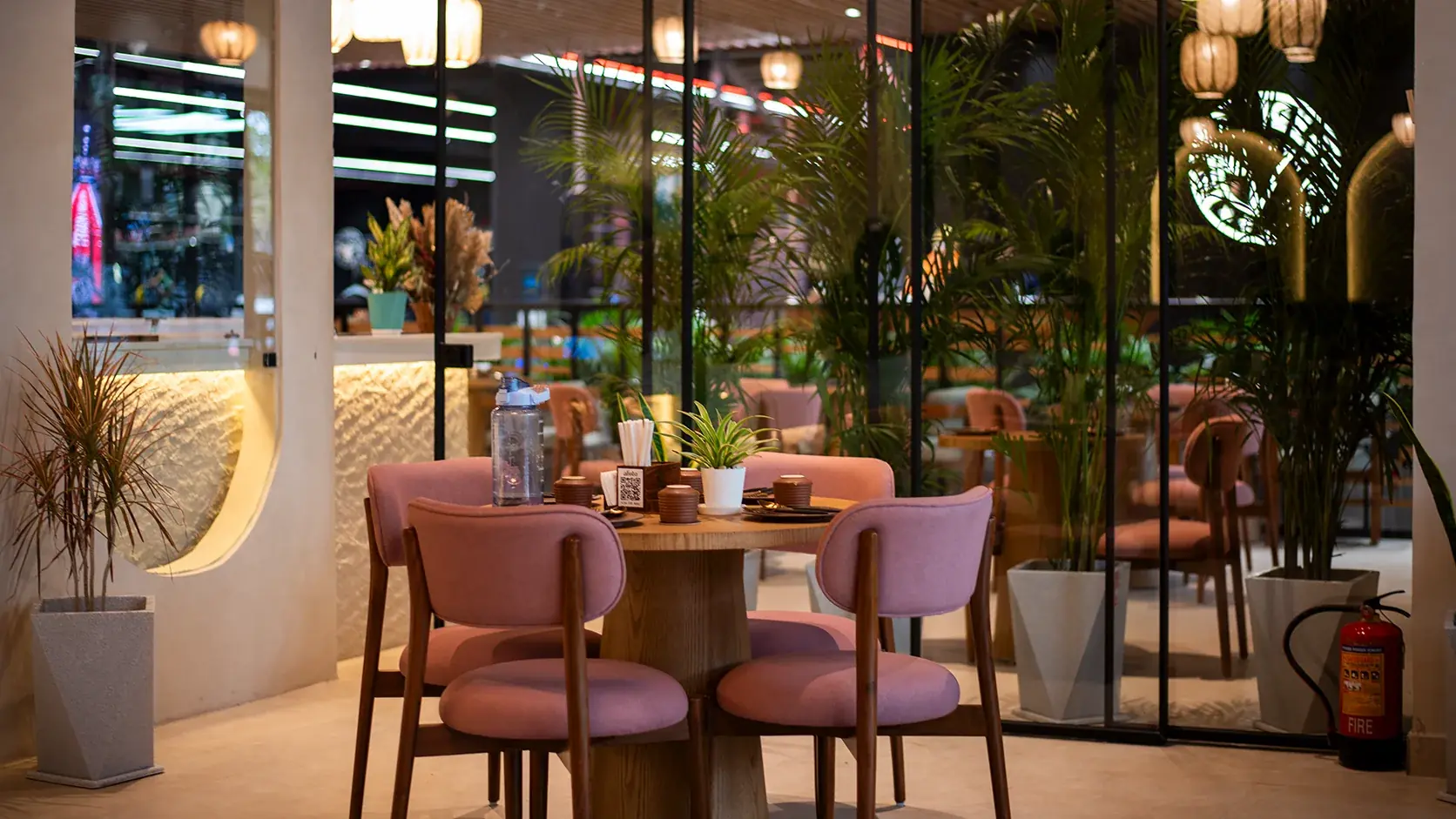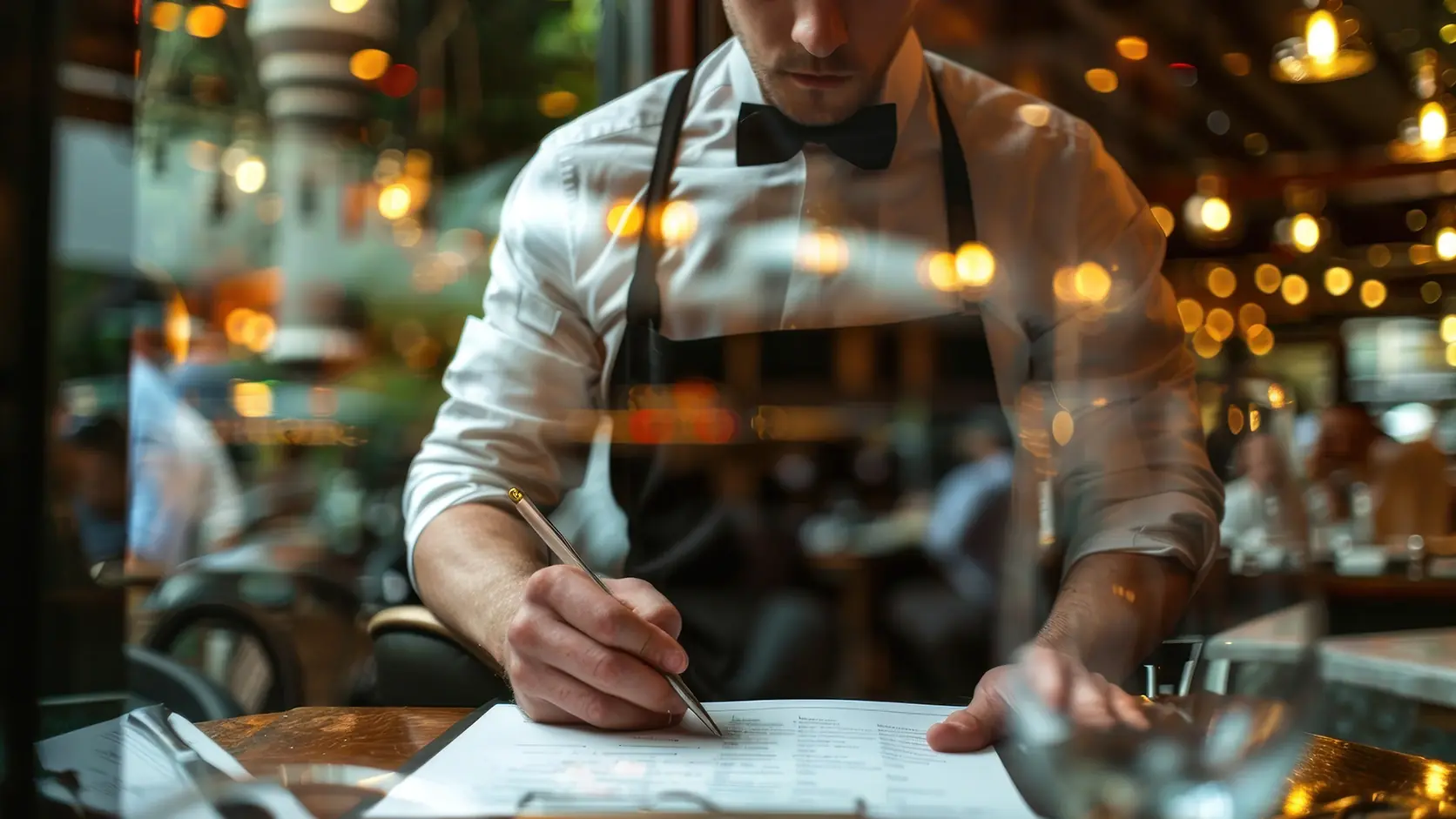
This is the first real fork in the road for almost every new F&B founder in India, and it's a decision that shapes everything downstream, capital needed, staffing, marketing, even the menu itself.
This is the first real fork in the road for almost every new F&B founder in India, and it's a decision that shapes everything downstream, capital needed, staffing, marketing, even the menu itself. Here's an honest comparison, not a pitch for either model.
Cost Comparison
Setup investment runs ₹3 lakh – ₹15 lakh, typically covering ₹15 lakh – ₹40 lakh or more. Monthly rent runs Lower, delivery-friendly location, not high street, typically covering higher, footfall-driven location required. Interiors and furniture runs Minimal to none, typically covering 35% to 45% of total budget. Staffing runs Lean kitchen team, no front of house, typically covering full kitchen plus service staff required.
Revenue Potential of Each Model
Dine-in restaurants generally capture higher average ticket size through add-ons, drinks, and experience-driven upsell that's harder to replicate on a delivery order. Cloud kitchens make up for lower ticket size with lower fixed cost and the ability to run multiple virtual brands out of one kitchen, spreading rent and staffing across several revenue streams.
Risk Factors Specific to Each
Dine-in carries higher fixed cost exposure if footfall underperforms, rent and staff wages don't scale down with slow weeks. Cloud kitchens are heavily dependent on aggregator platforms like Swiggy and Zomato, and platform commission and algorithm changes directly hit margins. Dine-in builds brand equity and repeat local customers faster, which is harder to replicate through delivery alone. And cloud kitchens can pivot menus and test new concepts far faster and cheaper than a dine-in format can.
Hybrid Models That Are Working
A growing number of operators are running a small dine-in footprint alongside a delivery-optimised kitchen in the back, capturing the brand-building benefit of a physical presence while still getting the reach of aggregator platforms. Some restaurants also run secondary virtual brands out of their existing kitchen during off-peak hours, an incremental revenue stream on infrastructure that's already paid for.
Which Model Fits Which Kind of Entrepreneur
Cloud kitchens suit founders with limited starting capital who want to test a concept before committing to a physical footprint, or existing restaurant owners looking to add a low-cost secondary revenue line. Dine-in suits founders building a destination brand where the physical experience is core to the value proposition, and who have the capital runway to absorb a realistic ramp-up period.
If you're leaning toward a physical format, our Cafe Setup Cost in India and Restaurant Business Plan India guides are useful next reads to build out your numbers.
Break-Even Comparison
Cloud kitchen runs 6 – 12 months, typically covering aggregator commission and algorithm dependency. Dine-in restaurant runs 12 – 24 months, typically covering high fixed cost exposure during slow periods. Hybrid model runs 9 – 18 months, typically covering requires strong execution across both channels.
Aggregator Commission Reality
Delivery aggregator commissions in India typically range from 20% to 30% of order value, which materially affects cloud kitchen margins compared to direct dine-in sales. This is worth modelling explicitly into any cloud kitchen business plan rather than treating it as a minor line item, since it's often the single largest cost after raw materials.
Brand Building Differences Between the Two Models
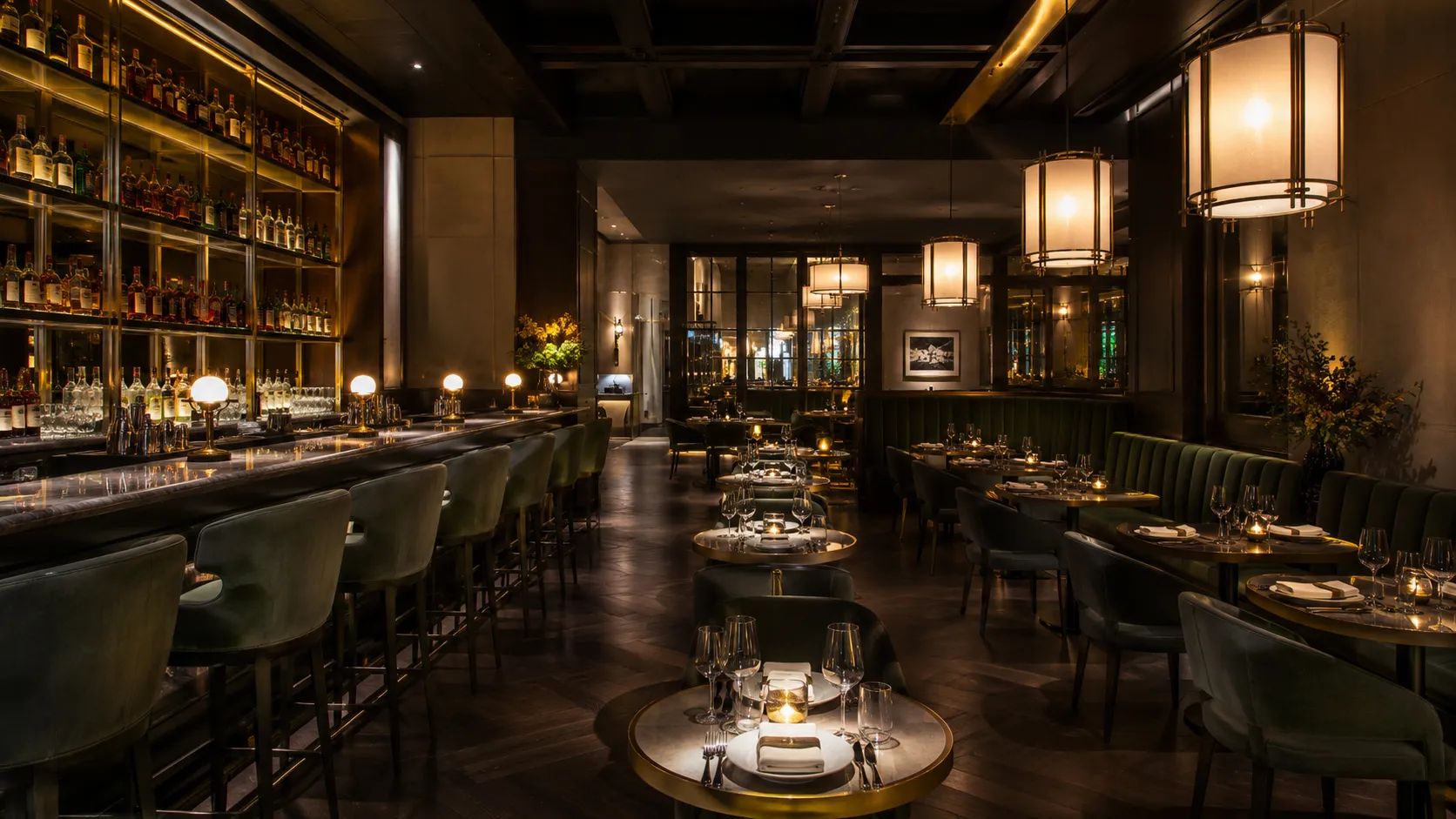
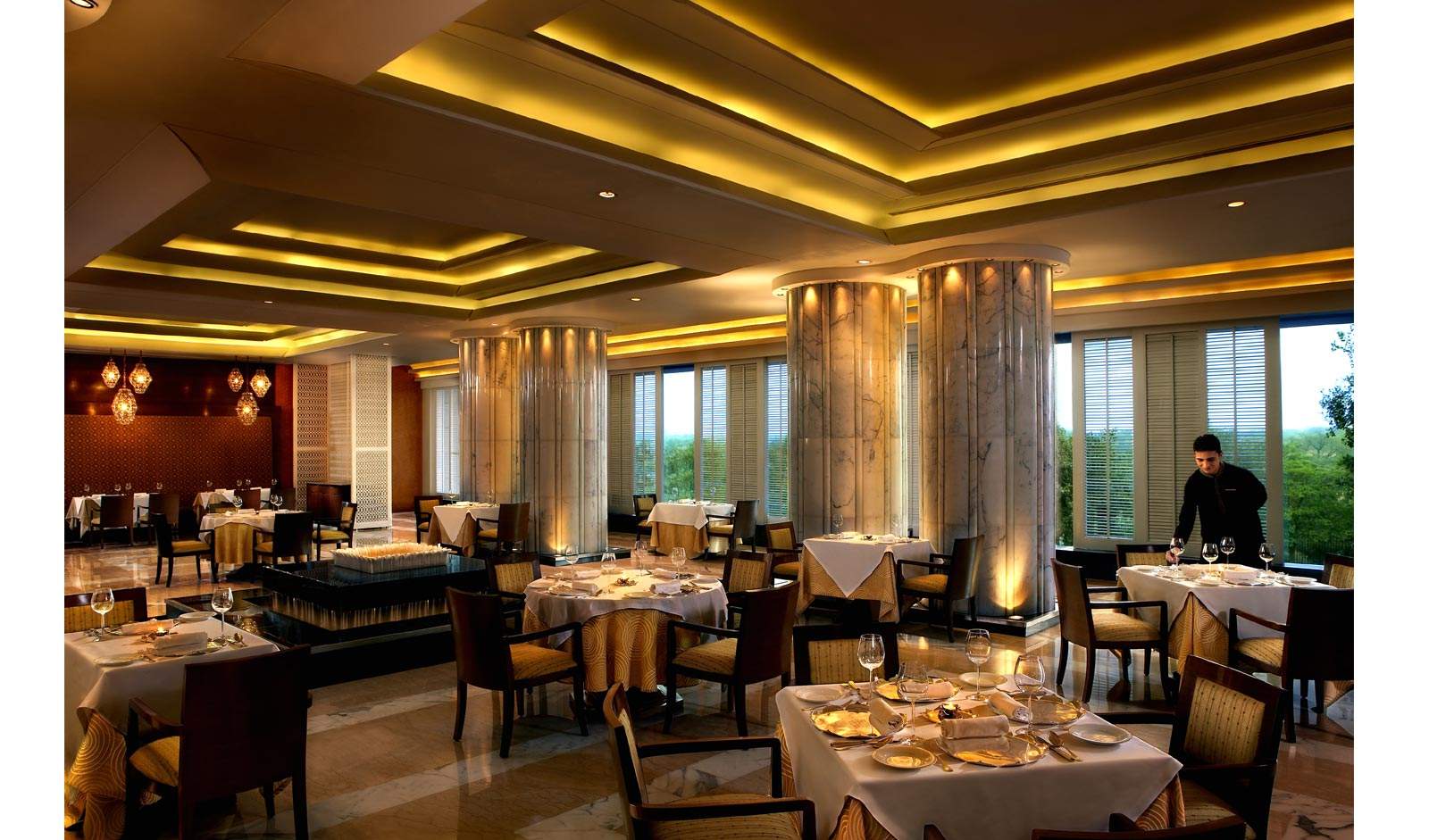
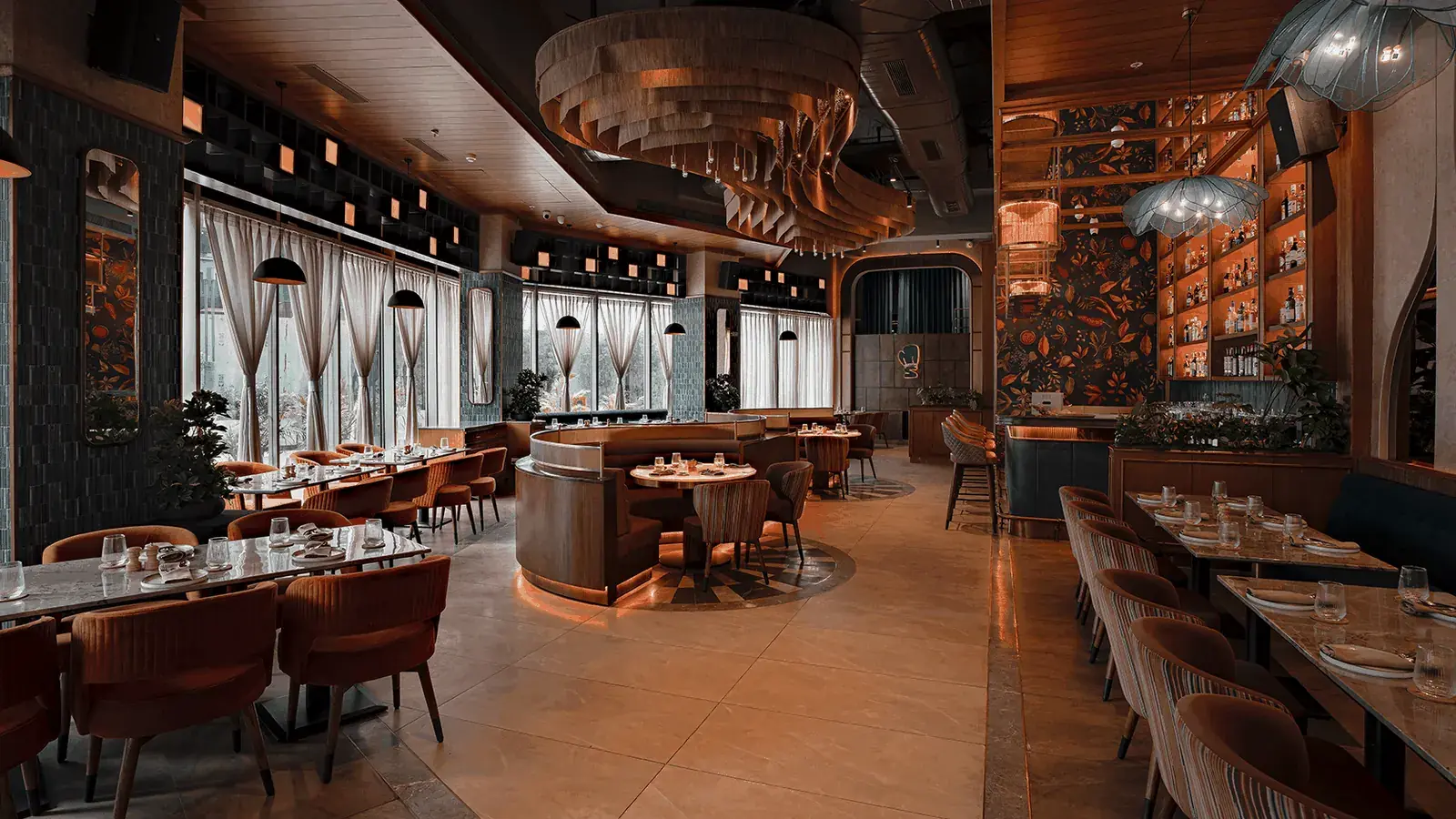
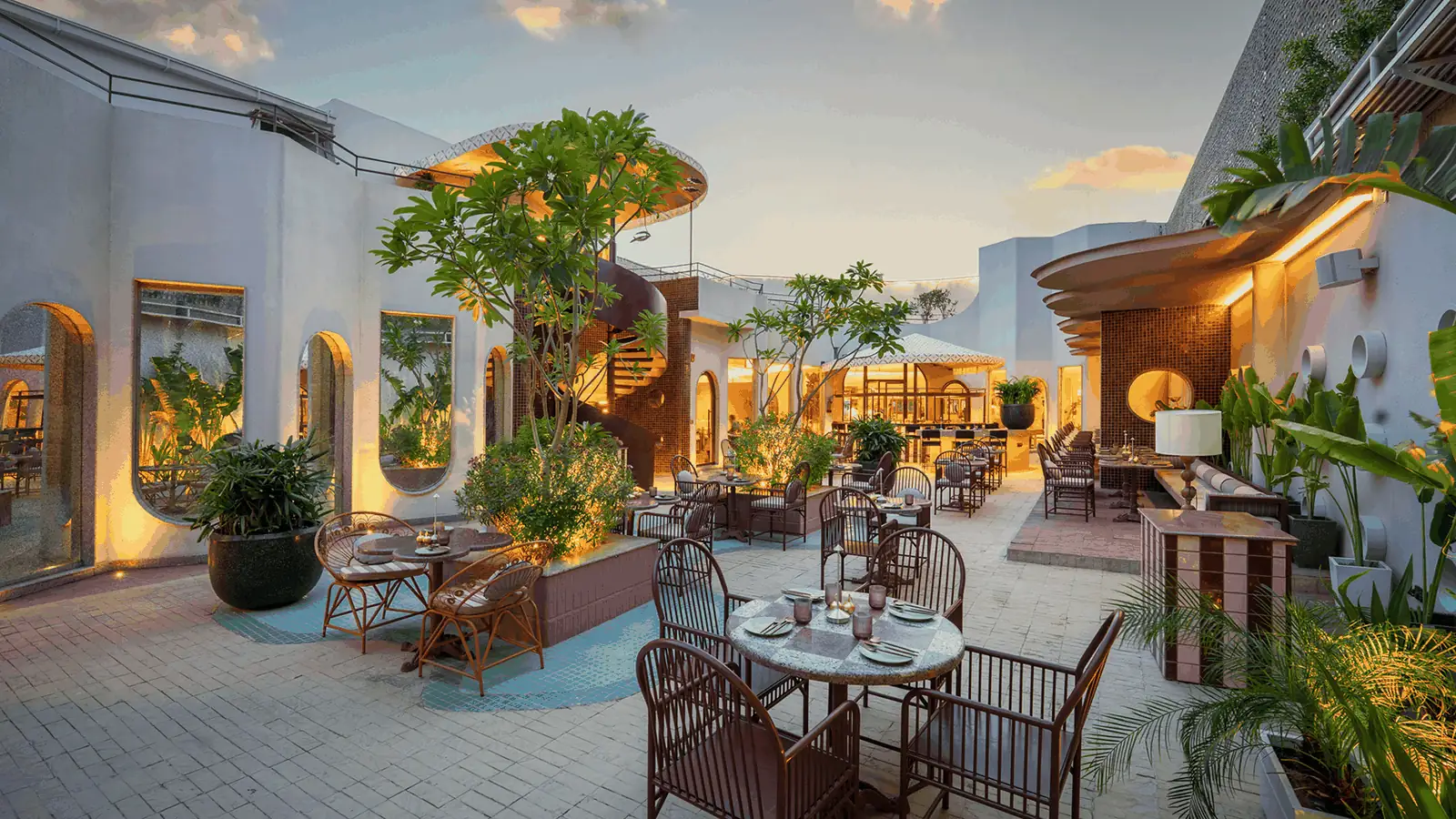
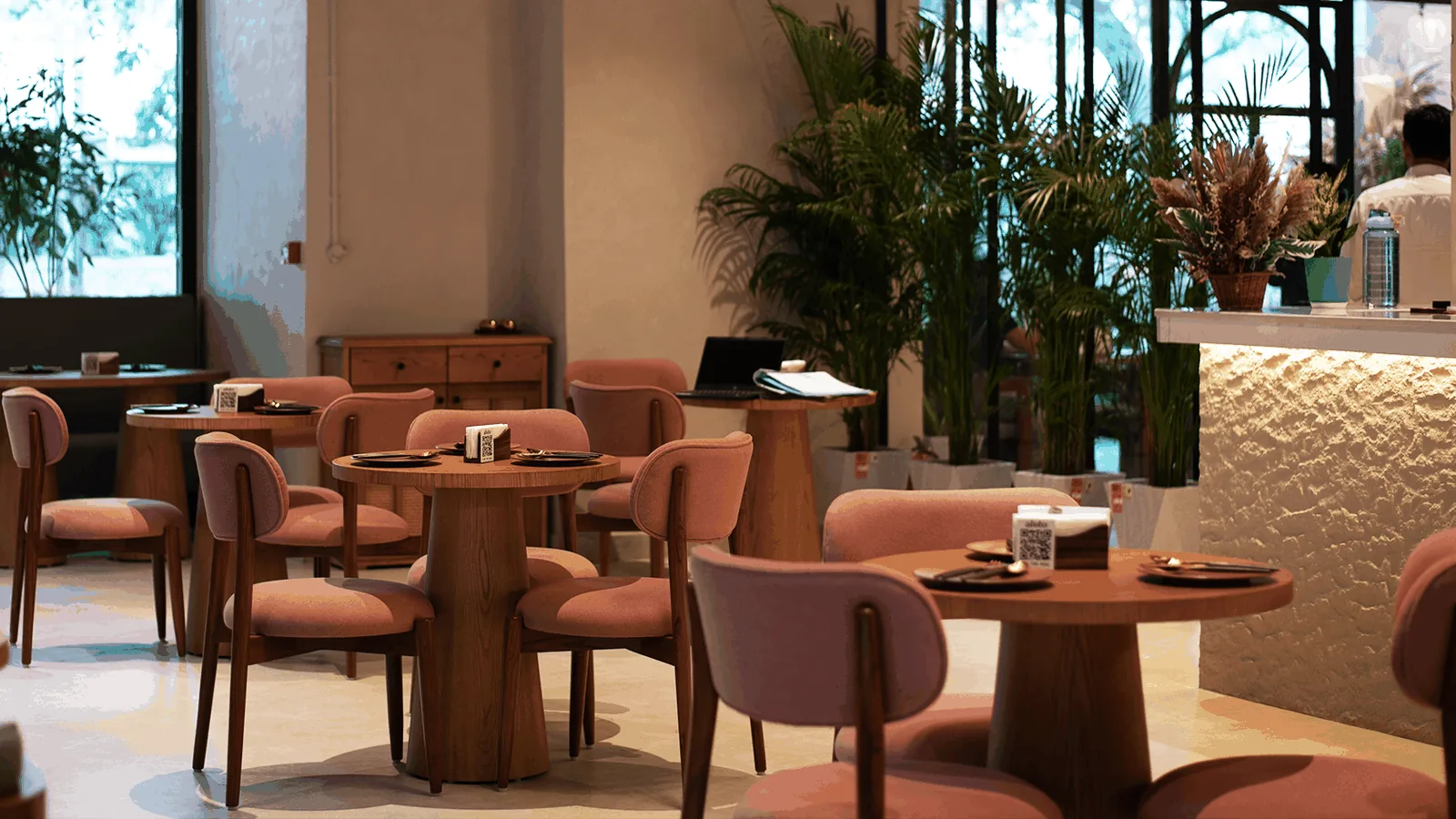
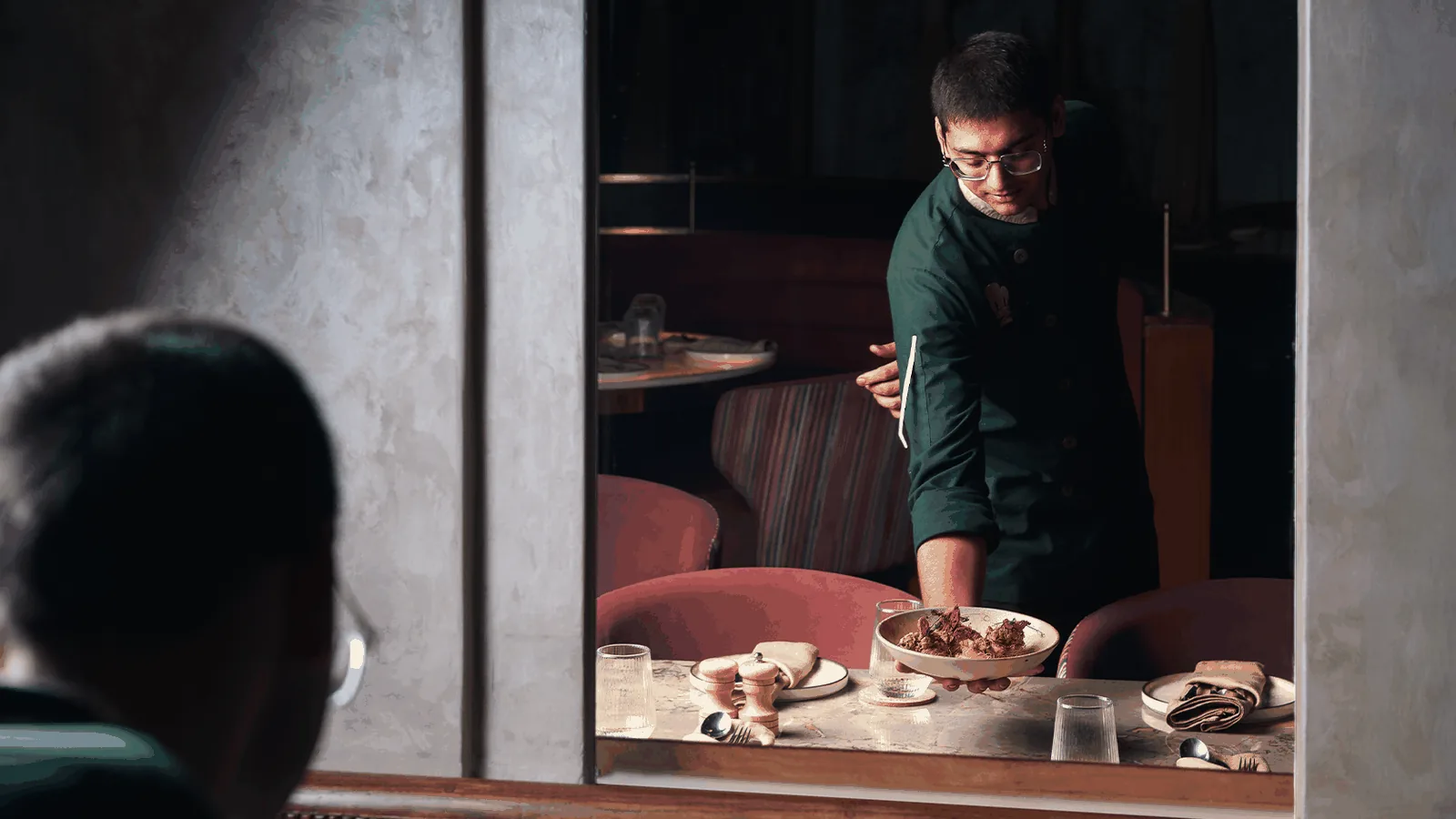
Dine-in restaurants build brand equity through the physical experience itself, ambience, service, the act of walking in and being greeted, all of which create a stronger emotional connection than a delivery order typically can. This translates into higher organic word-of-mouth referral and stronger repeat visit rates once a dine-in concept finds its audience.
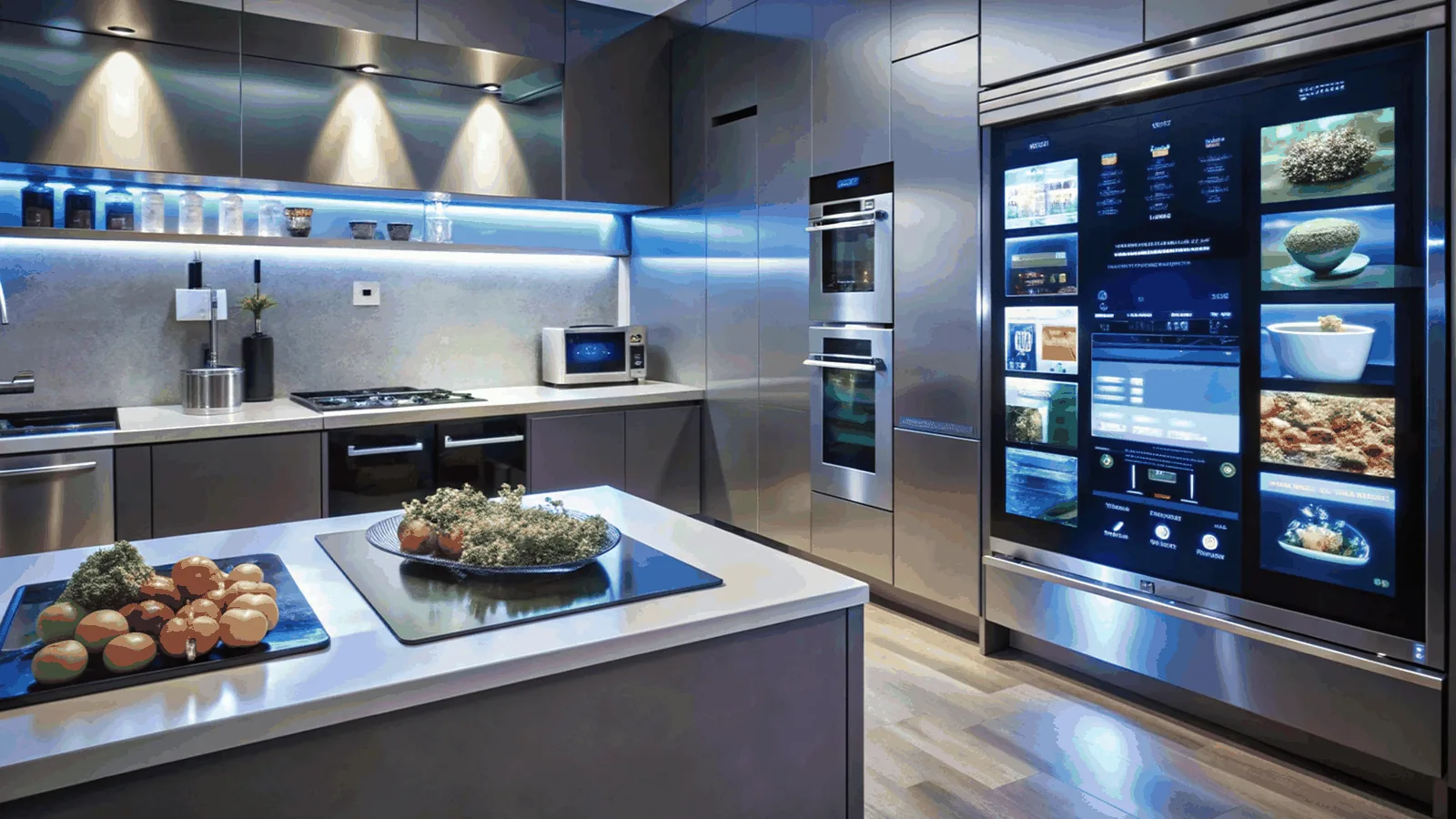
Cloud kitchens have to build brand entirely through the product and the digital experience, packaging quality, delivery consistency, and how the food photographs and travels. This is achievable, several successful India-based delivery-only brands have built strong followings, but it requires a different marketing discipline focused heavily on consistency and social proof rather than the ambience-driven marketing a dine-in venue can lean on.
Scaling Considerations for Each Model
Cloud kitchens generally scale faster and cheaper, since adding a new city often means finding kitchen space and a delivery radius rather than securing a high-footfall retail location. Dine-in scaling is slower and more capital-intensive per location, but each successful outlet also builds more durable local brand presence than a delivery-only kitchen typically achieves in the same market.
Customer Acquisition Cost Comparison
Cloud kitchens typically face higher direct customer acquisition costs per order, since discovery happens almost entirely through aggregator platforms where visibility often requires paid promotion or discount-driven ranking boosts. Dine-in restaurants benefit more from organic discovery, walk-by footfall, word of mouth, and repeat visits driven by the physical experience itself, which generally lowers the marginal cost of acquiring each additional customer over time.
This dynamic means a cloud kitchen's unit economics need to account explicitly for platform-driven acquisition cost in a way dine-in models often don't, and founders modelling a cloud kitchen business plan should build a realistic customer acquisition cost assumption rather than assuming organic app discovery alone will drive sufficient order volume.
Which Model Recovers Faster From a Bad Location Choice
A poorly chosen dine-in location is expensive and slow to fix, often requiring a full lease renegotiation or relocation to recover. A cloud kitchen's location matters less for footfall and more for delivery radius efficiency, which makes it meaningfully easier and cheaper to relocate or add a second kitchen location if the original choice underperforms. This flexibility is one of the underappreciated advantages of the cloud kitchen model for founders still validating exactly where their customer base is concentrated.
FAQs: Cloud Kitchen vs Dine-In Restaurant
Choosing Between Cloud Kitchen and Dine-In?
We help founders pressure-test the right model against their concept, city and budget before committing capital.
Talk to The Bar Consultants