A kitchen equipment list built off a generic template is how owners end up with gear they never use and gaps in what they actually needed. The right list starts with the menu, not a checklist copied from somewhere else.
A kitchen equipment list built off a generic template is how owners end up with gear they never use and gaps in what they actually needed. The right list starts with the menu, not a checklist copied from somewhere else.
Here's a working reference for what a commercial kitchen in India actually needs in 2026, organised by function, with realistic budget ranges.
Core Cooking Equipment
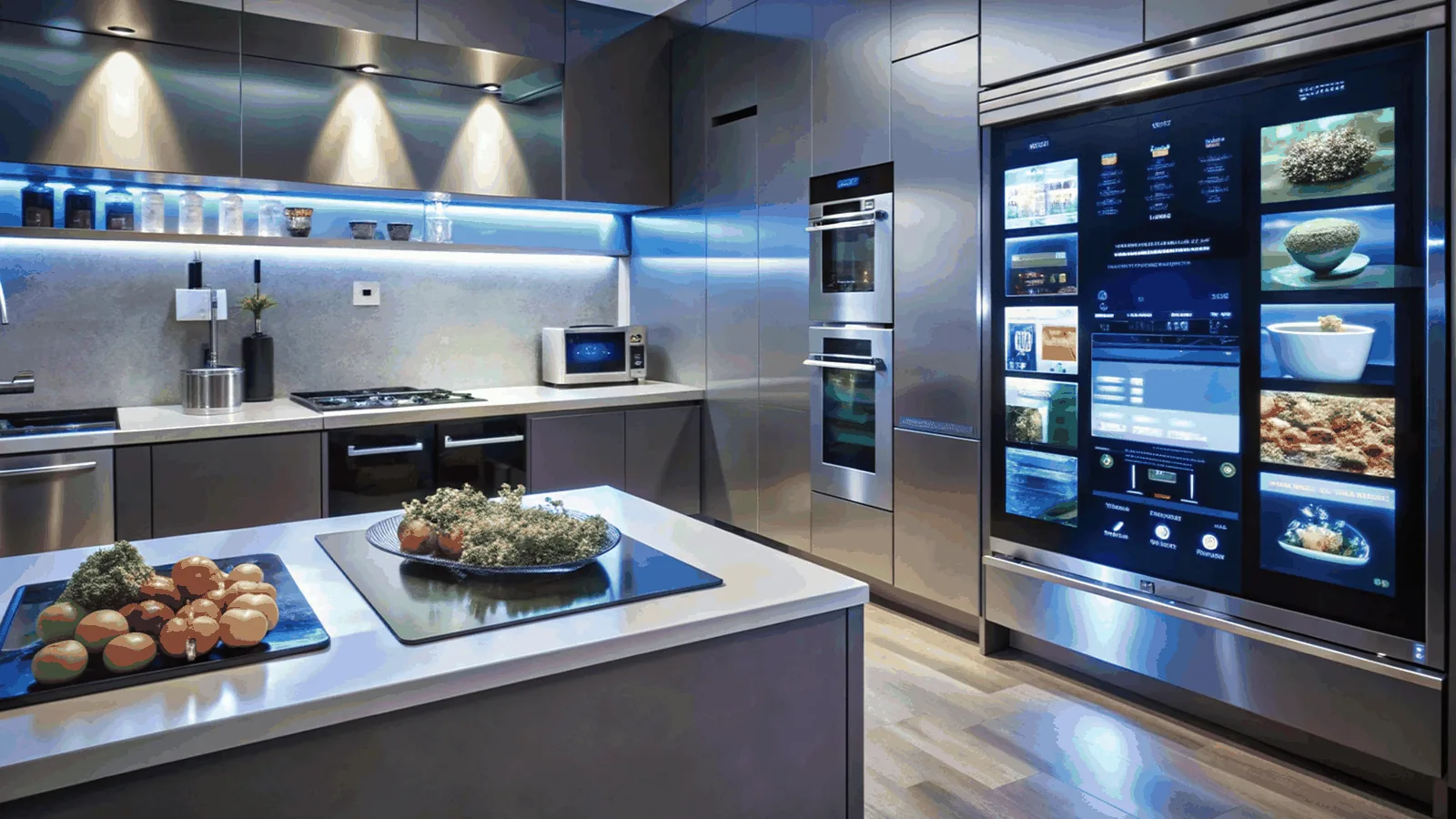
Commercial range or tandoor setup, sized to the menu's actual cooking methods, not a generic full line. Deep fryers and griddles for high-volume items. Combi ovens where the menu includes baking or batch cooking, since these cut labour time significantly. And exhaust and ventilation system, often underestimated in budget but essential for both compliance and staff safety.
Refrigeration and Storage
Walk-in cooler and freezer for venues with high volume or a broad menu. Under-counter refrigeration at each station to reduce staff movement during service. And dry storage shelving that meets FSSAI hygiene standards.
Prep and Small Wares
Prep tables in food-grade stainless steel. Mixers, slicers and food processors matched to menu volume. And knife sets, cutting boards and small tools, budgeted per station rather than as an afterthought.
Bar and Beverage Equipment
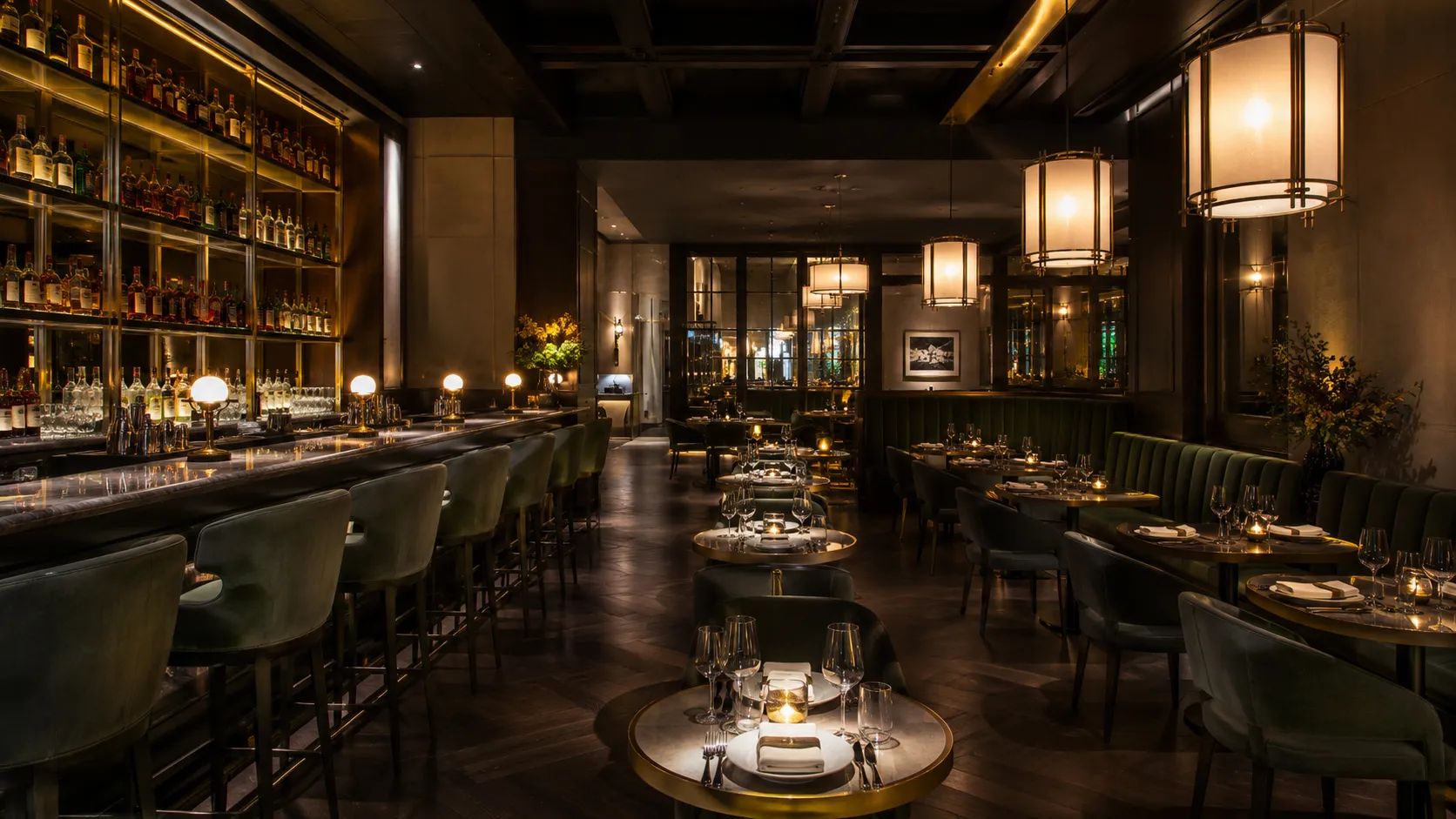
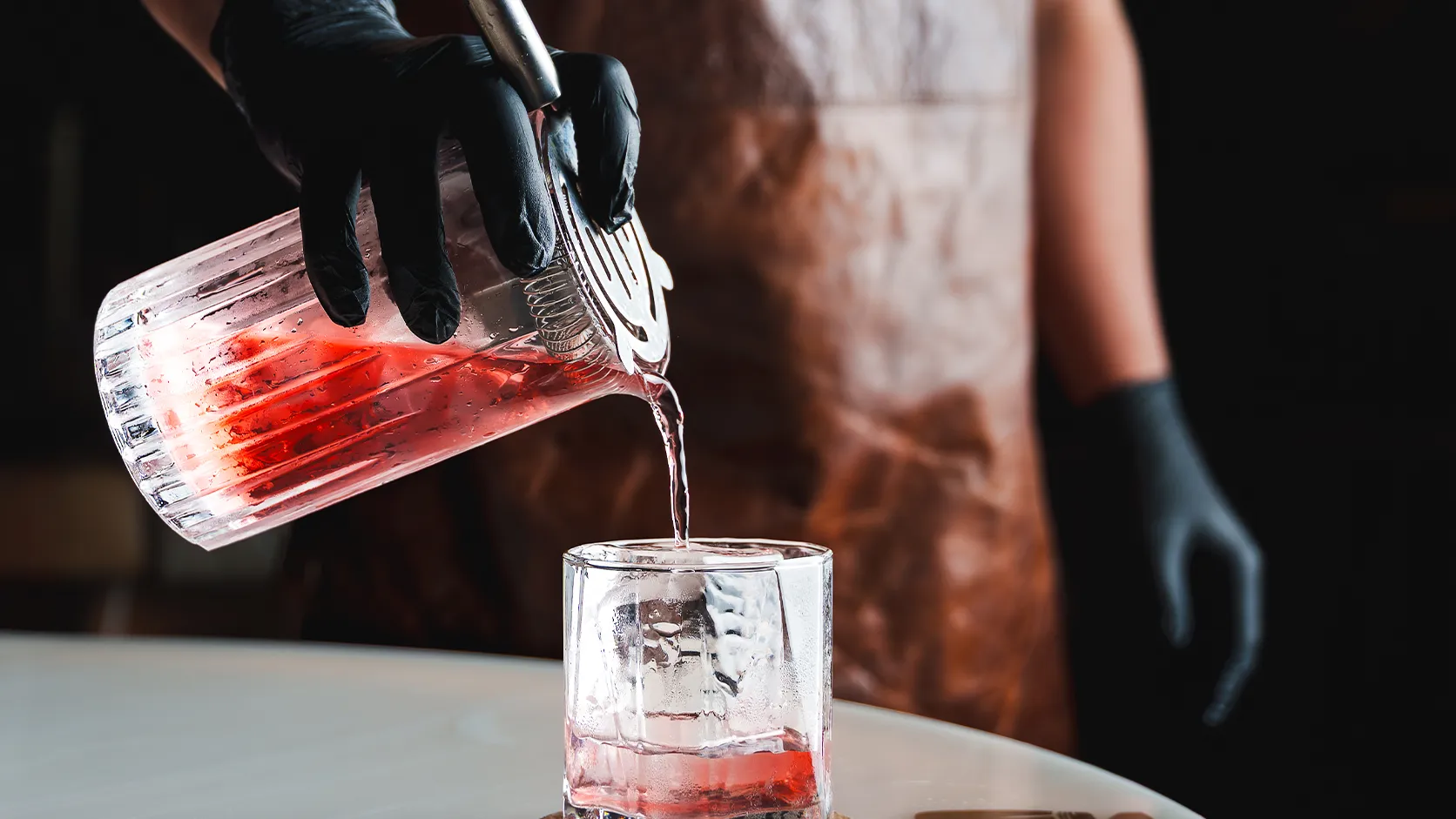
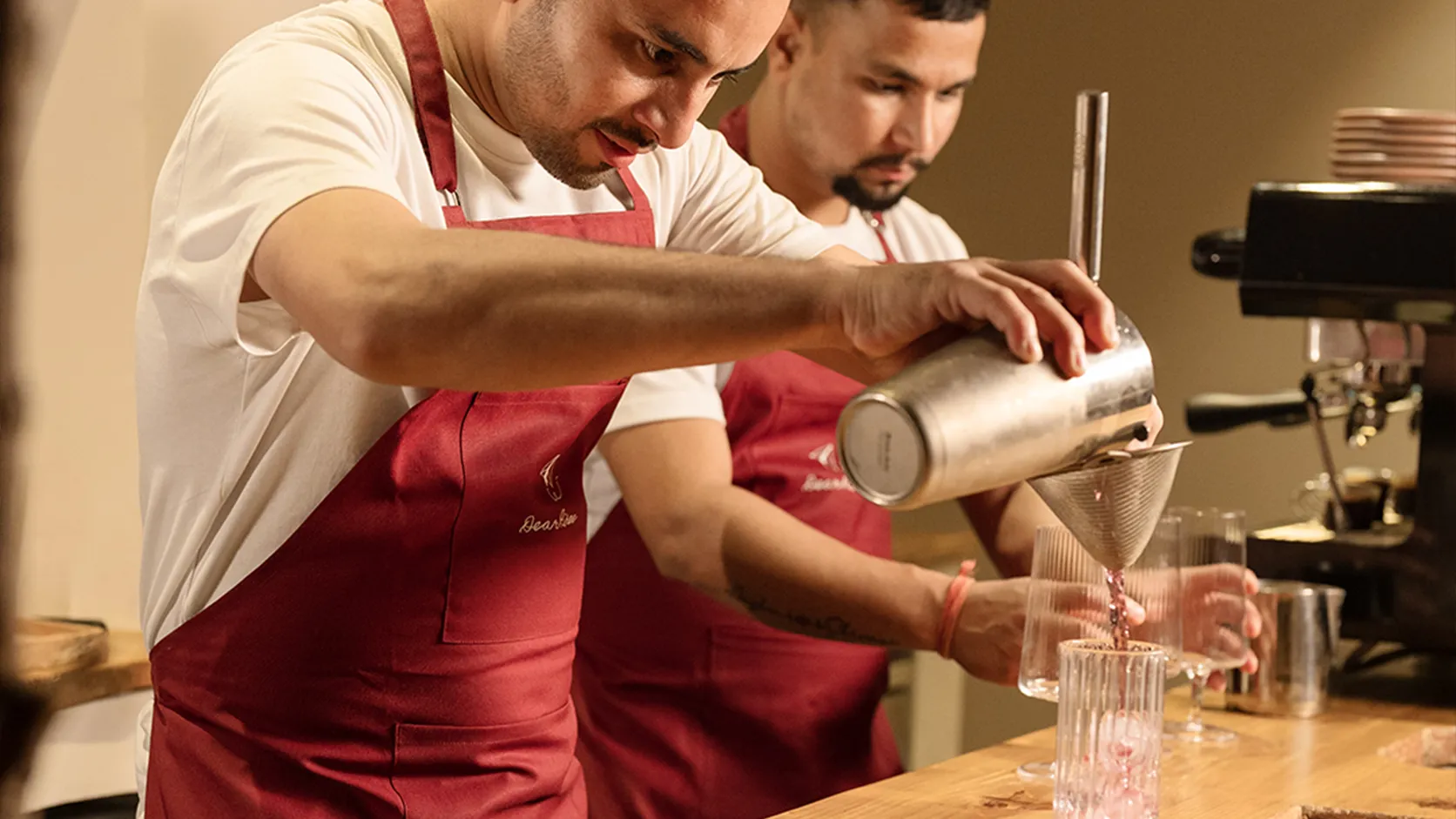
If the concept includes a bar, this is a separate equipment category with its own planning logic, glassware, ice machines, speed rails, and draft systems. Our guide on Bar Menu Engineering goes deeper into building the program that sits behind this equipment.
Kitchen Layout Principles That Actually Work
Design around the actual flow of an order, from receiving to prep to cook to plating, not around available wall space. Keep hot and cold stations physically separated to protect food safety and staff comfort. Leave clear walking lanes, a cramped kitchen slows every ticket during peak service. And plan electrical and gas load before ordering equipment, not after, retrofitting is far more expensive.
Budget vs Premium: Where to Spend and Where to Save
A basic commercial kitchen setup in India typically runs ₹2 lakh to ₹8 lakh for a small format, and ₹5 lakh to ₹30 lakh or more for a full restaurant kitchen, depending on scale and automation level. The equipment worth spending more on is whatever your menu depends on most, a strong range for a grill-led concept, a reliable combi oven for a bakery-forward menu. Everything downstream of that core can often be scaled up later as volume justifies it.
For the full cost picture beyond just equipment, see our Cafe Setup Cost in India and F&B Consultant Cost in India guides.
Equipment Budget by Kitchen Size
Small format, under 300 sq ft runs ₹2 lakh – ₹5 lakh, typically covering compact cooking line, minimal storage, tight workflow. Mid-size, 300–800 sq ft runs ₹5 lakh – ₹15 lakh, typically covering full cooking line, walk-in storage, dedicated prep area. Large or multi-cuisine, 800+ sq ft runs ₹15 lakh – ₹30 lakh+, typically covering multiple cooking stations, extensive refrigeration, high-volume prep.
Maintenance and Lifespan Considerations
Commercial ranges and ovens typically last 7 to 10 years with regular servicing, factor a maintenance contract into the annual budget rather than treating it as a one-time purchase. Refrigeration units need routine gasket and compressor checks, a failing walk-in cooler is one of the most expensive surprise repairs a kitchen faces. And stainless steel prep surfaces last significantly longer than budget alternatives and are easier to keep compliant with FSSAI hygiene standards.
Energy Efficiency and Long-Term Operating Cost
Kitchen equipment decisions are often made purely on upfront purchase price, but energy consumption over a three to five year period can meaningfully change the total cost of ownership. BEE star-rated refrigeration and cooking equipment typically costs more upfront but reduces electricity consumption by a noticeable margin, which adds up significantly for equipment that runs continuously through service hours.
It's worth running a simple total cost comparison, purchase price plus estimated annual electricity cost over the equipment's expected lifespan, rather than comparing purchase price alone. For a busy kitchen running two services a day, the efficiency gap between a budget and a well-rated appliance can offset the price difference within two to three years.
Vendor Selection and After-Sales Support
Equipment reliability during service depends as much on vendor support as on the equipment itself. A cheaper unit from a vendor with no local service network can mean days of downtime during a critical repair, which costs far more in lost service than the initial savings. It's worth prioritising vendors with a demonstrated local service presence and readily available spare parts, particularly for core cooking equipment that the kitchen can't function without.
Sourcing Equipment: Local vs Imported
Imported kitchen equipment, particularly specialised espresso machines and combi ovens, often comes with a stronger reputation for precision and longevity, but also carries a meaningful cost premium once import duty and shipping are factored in, along with longer lead times for spare parts. Locally manufactured equivalents have improved significantly in quality over the past several years and are usually the more cost-efficient choice for core, high-use equipment.
The exception tends to be highly specialised equipment tied directly to a concept's signature offering, a premium espresso machine for a coffee-forward cafe, for instance, where the performance difference genuinely affects the product a guest experiences. For general cooking equipment, ranges, fryers, prep stations, local sourcing usually delivers comparable quality at meaningfully lower total cost.
Planning for Future Menu Expansion
A kitchen designed tightly around the opening-day menu can become a bottleneck the moment the menu expands. It's worth building in modest spare capacity, an extra prep station, slightly larger refrigeration than day-one volume strictly requires, so that menu evolution over the first year or two doesn't immediately require a costly kitchen retrofit. This is a balance, over-building capacity wastes upfront capital, but under-building creates expensive rework exactly when the business is starting to gain momentum.
FAQs: Restaurant Kitchen Equipment List India
Planning Your Kitchen Equipment Budget?
We design kitchen layouts and equipment lists that match your actual menu and workflow, not a generic checklist.
Talk to The Bar Consultants