Most restaurants in India don't have a revenue problem. They have a margin problem, food cost creeping up, labour scheduled inefficiently, and a menu that was never actually engineered to be profitable.
Most restaurants in India don't have a revenue problem. They have a margin problem, food cost creeping up, labour scheduled inefficiently, and a menu that was never actually engineered to be profitable. Fixing margins usually doesn't require more customers. It requires tighter control of what's already happening in the kitchen and on the floor.
What a Healthy Profit Margin Actually Looks Like
Net profit margins for Indian restaurants typically sit between 6% and 12% for full-service dining, and can run higher for cloud kitchens and QSR formats with lower fixed overhead. If your margin is well below this range, the fix is rarely a single change, it's usually a combination of food cost drift, labour inefficiency, and wastage compounding over months.
Food Cost Control Without Cutting Portions
Standardise recipes with exact weights and measures, so cost per plate stays consistent regardless of who's cooking. Renegotiate vendor contracts twice a year, ingredient prices shift and long-standing rates often lag the market. Track food cost percentage weekly, not monthly, so drift gets caught before it compounds. And cross-utilise ingredients across multiple menu items to reduce spoilage from single-use stock.
Menu Engineering for Higher Margins
Every menu has stars, high-margin items customers already love, and items quietly dragging the average down. Pushing stars into better menu positions, and either re-pricing or removing the drag items, is usually the single fastest lever for margin improvement. Our Bar Menu Engineering guide covers this in detail for beverage programs specifically.
Labour Cost Optimisation
Schedule staff against actual hourly footfall data, not a flat shift pattern. Cross-train front of house and kitchen staff for flexibility during uneven demand. And review overtime patterns monthly, small recurring overtime often signals a scheduling gap rather than genuine demand.
Reducing Wastage in the Kitchen and Bar
Implement first-in-first-out stock rotation as a non-negotiable SOP. Track wastage by category weekly to spot patterns early. And portion garnishes and mixers precisely at the bar, small overpours add up fast across a busy night.
Real Example
On the Grotto project in Gurugram, tightening portion consistency and renegotiating two key vendor contracts moved food cost percentage down by several points within the first quarter of operation, without any change to menu pricing or portion size customers would notice.
For the operational systems that support this, see our Restaurant SOPs and Staff Training Guide, and if beverage margins specifically are the concern, our Bar Menu Engineering guide.
Benchmarking Your Margins
Full-service dine-in runs 6% – 10%, typically covering table turnover and average ticket size. Quick service restaurant runs 8% – 12%, typically covering volume and speed of service. Cloud kitchen runs 10% – 15%, typically covering lower fixed cost relative to revenue. Bar-led venue runs 10% – 18%, typically covering beverage margin, typically higher than food.
Tools and Habits That Protect Margin
Weekly food cost tracking rather than monthly, so drift is caught within days, not after a full billing cycle. A simple vendor price-check routine every quarter, even a 5% ingredient price creep across the menu adds up fast. Portion control checks during service, not just at training, since habits drift over months without reinforcement. And a monthly menu performance review using real sales data, not assumptions about what's popular.
The Compounding Effect of Small Margin Gains
A single percentage point improvement in food cost percentage can look small in isolation, but compounds meaningfully over a full year of revenue. On a restaurant doing ₹50 lakh in annual revenue, a one percentage point food cost improvement translates to roughly ₹50,000 in additional annual profit, often achievable through better portion consistency and vendor negotiation alone, without any change to menu pricing that customers would notice.
This is why margin improvement work tends to deliver better returns than most marketing spend aimed at driving new footfall. Acquiring a new customer typically costs more, and delivers less certain return, than tightening the operational discipline around food cost, labour scheduling and wastage on the customer base a restaurant already has.
Technology Tools That Help Track Margins
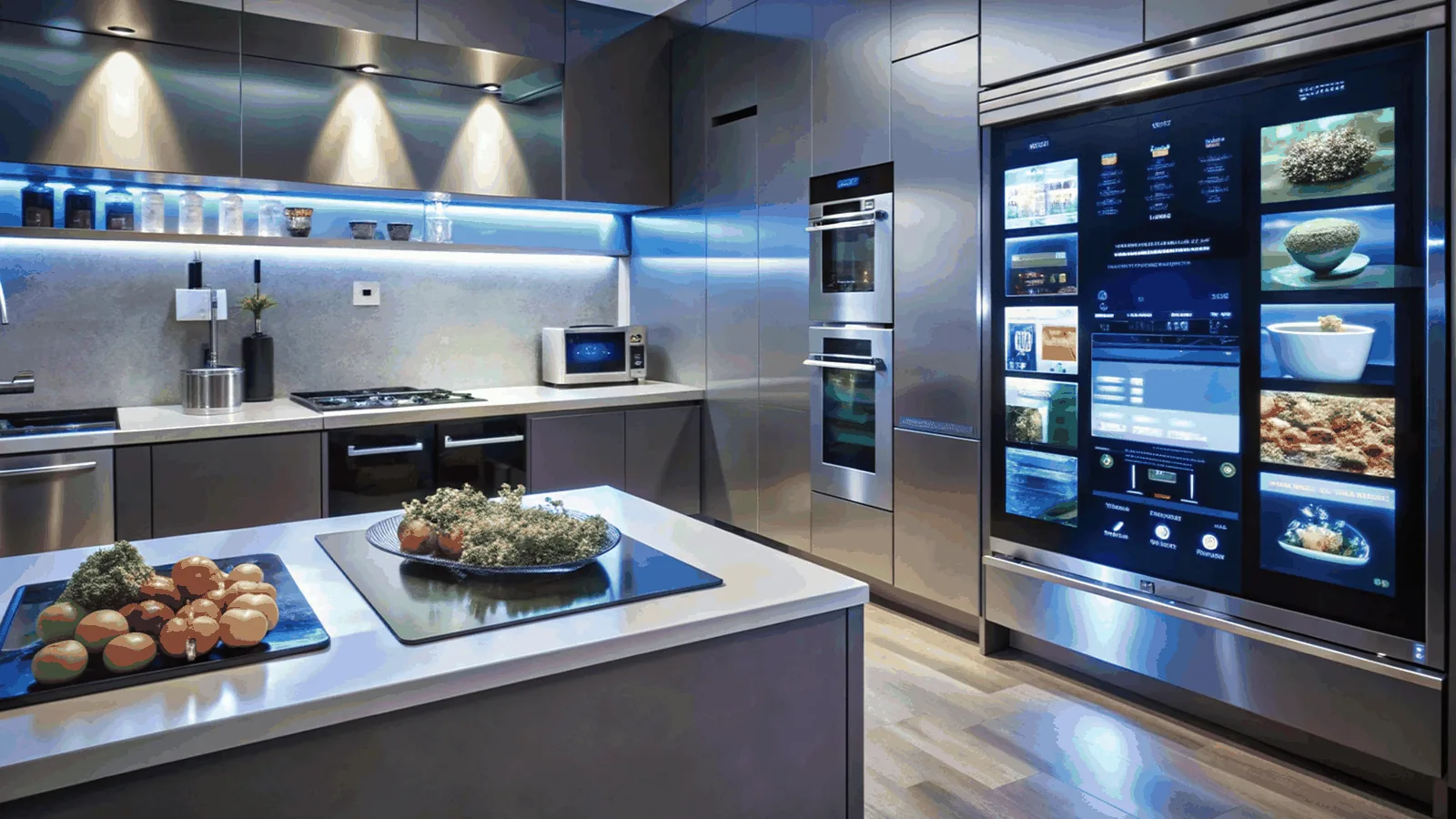
Modern POS systems in India increasingly offer built-in reporting on food cost percentage, item-level profitability, and labour cost against sales in real time, rather than requiring a manual monthly reconciliation. Restaurants using this data actively, reviewing it weekly rather than letting it sit unused in a dashboard, tend to catch margin drift significantly earlier than those relying on end-of-month accounting reports alone.
The Role of Technology in Margin Protection
Beyond POS reporting, inventory management software has become increasingly accessible for small and mid-size Indian restaurants, allowing real-time tracking of stock levels against expected usage based on sales data. This makes it far easier to spot wastage or pilferage early, both of which quietly erode margin over time without ever showing up as a single dramatic loss.
Restaurants that invest in even basic inventory tracking software typically report tighter food cost control within the first few months, simply because discrepancies between expected and actual usage become visible rather than buried in a monthly reconciliation that's too aggregated to pinpoint the source of the drift.
Balancing Margin Improvement with Guest Experience
Aggressive cost-cutting can backfire if it's visible to guests, smaller portions, cheaper ingredient substitutions, or reduced service quality all risk damaging repeat visit rates even as they improve short-term margin. The most durable margin improvements come from operational efficiency, better vendor terms, reduced wastage, tighter labour scheduling, rather than changes guests directly notice and react negatively to.
FAQs: How to Increase Restaurant Profit Margins in India
Want Higher Margins Without Cutting Quality?
We audit menus, costing and operations to find where your margin is actually leaking.
Talk to The Bar Consultants