Interior design in F&B isn't decoration, it's a lever that directly affects table turnover, average spend, and how long a guest stays. Here's what's actually shaping restaurant and bar interiors in India this year, and which choices are worth the investment.
Interior design in F&B isn't decoration, it's a lever that directly affects table turnover, average spend, and how long a guest stays. Here's what's actually shaping restaurant and bar interiors in India this year, and which choices are worth the investment.
What's Changing in Indian F&B Design This Year
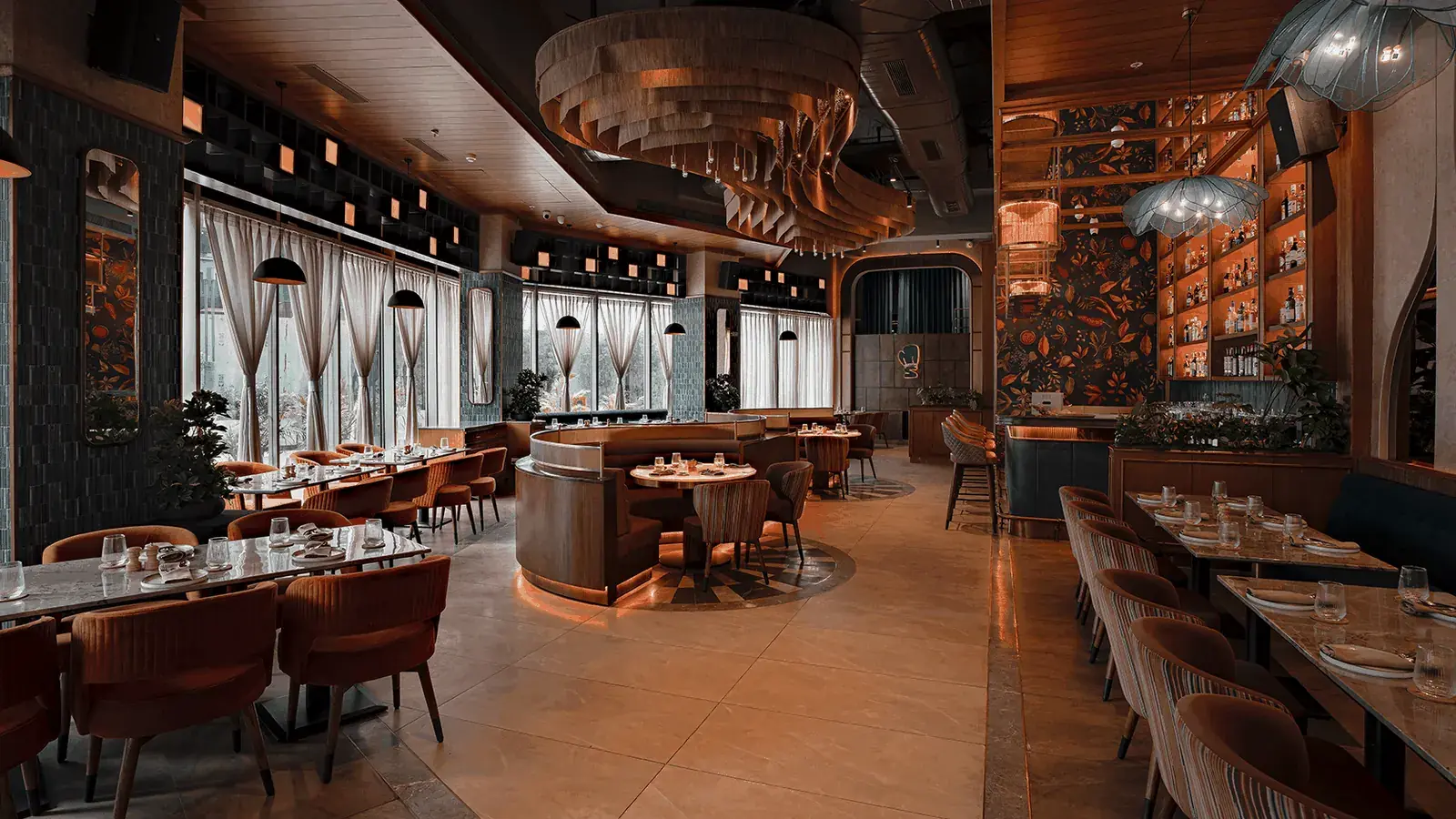
Design in 2026 is moving away from imported aesthetic templates toward material choices and layouts rooted in the specific city and building a venue sits in. Guests increasingly notice, and respond to, spaces that feel specific rather than replicable anywhere.
Regional Material Revival
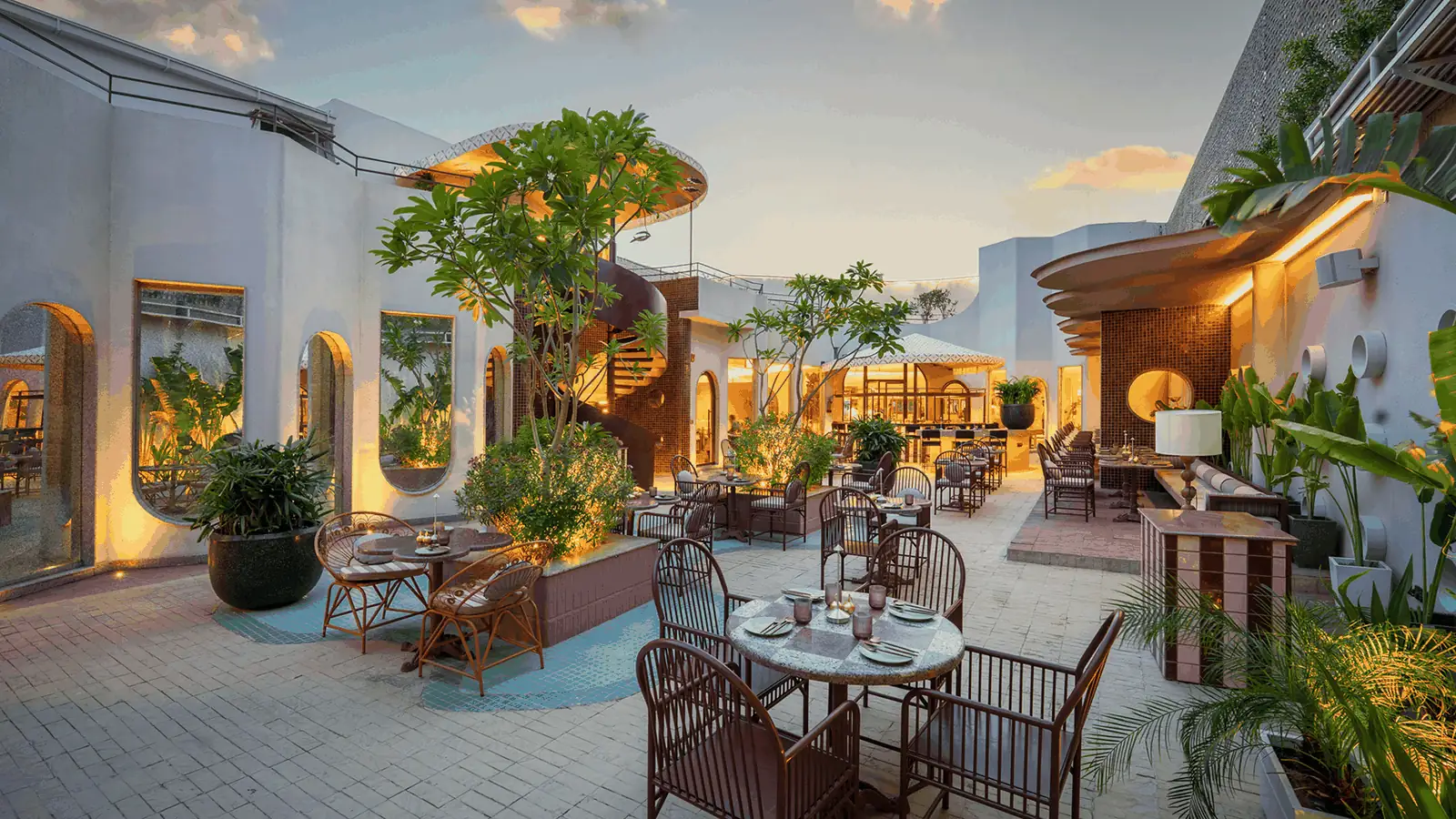
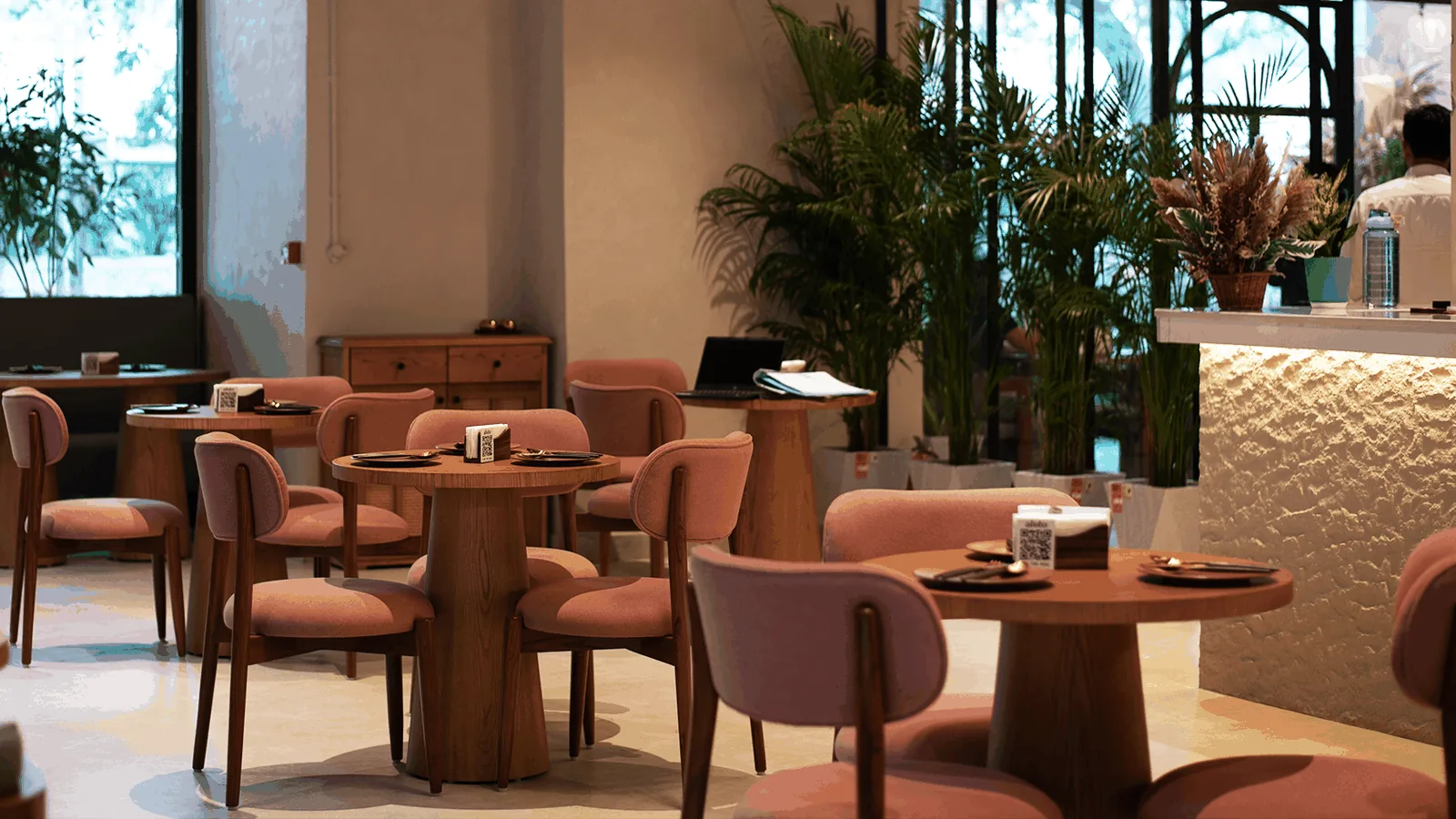
More projects are sourcing stone, wood and textiles from the region the restaurant is in, rather than defaulting to generic imported finishes. It's often cost-competitive too, once shipping and import costs on foreign materials are factored in.
Broken-Plan Layouts
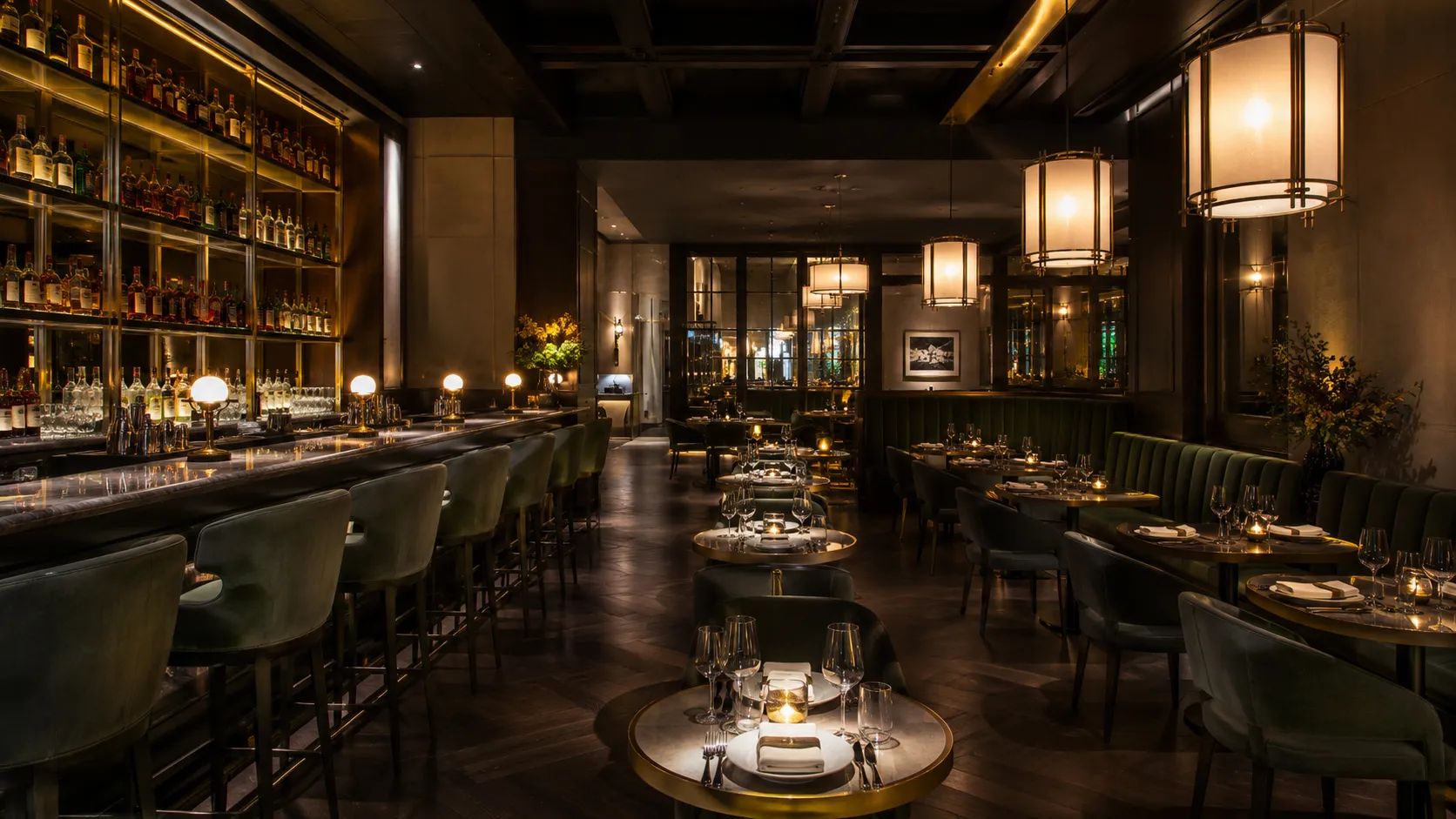
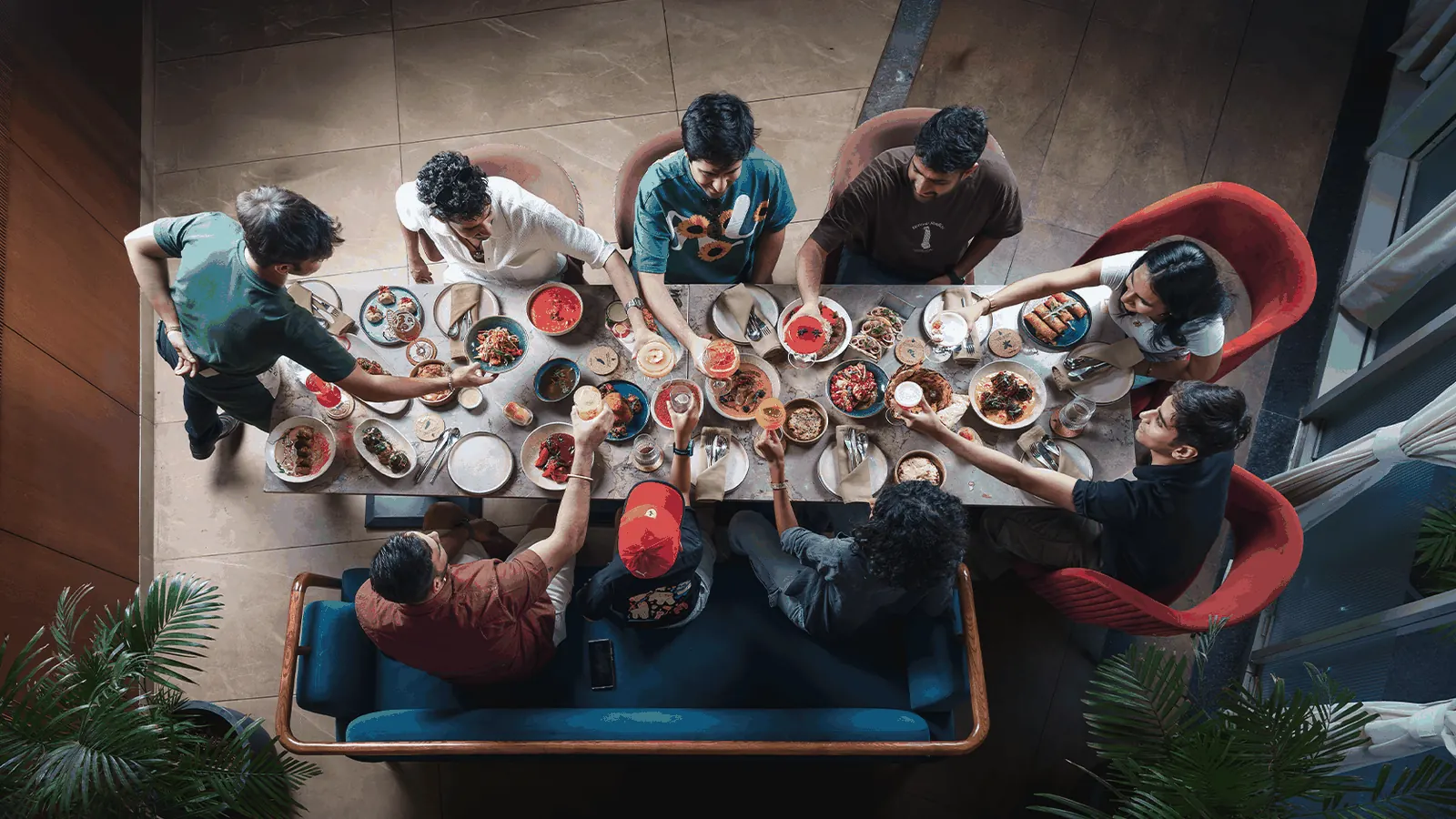
Instead of one uniform dining floor, venues are being zoned into distinct pockets, a bar counter energy, a quieter booth section, a communal table area, so a single space can serve multiple occasions across the day.
Sensory Lighting Design
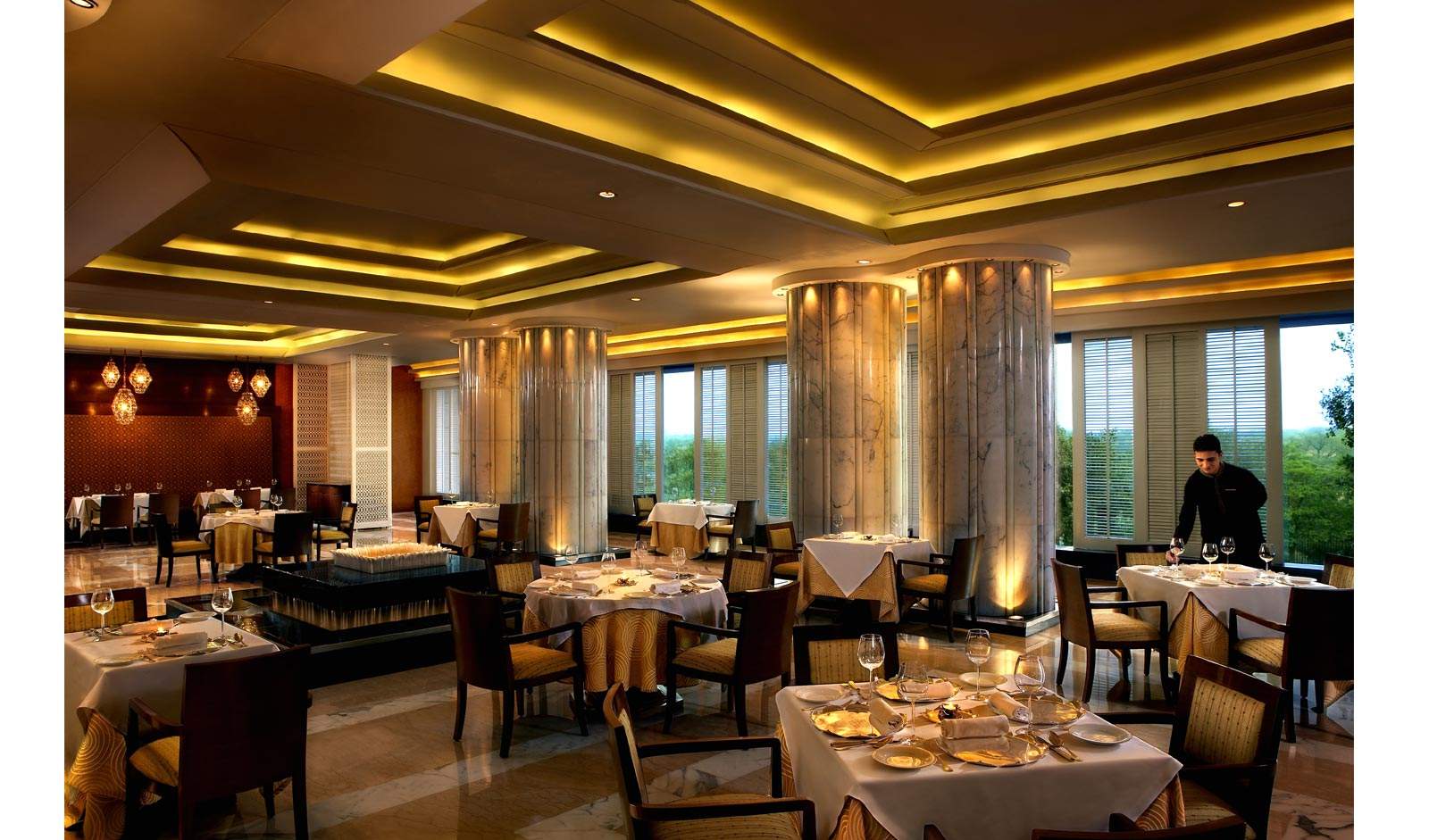
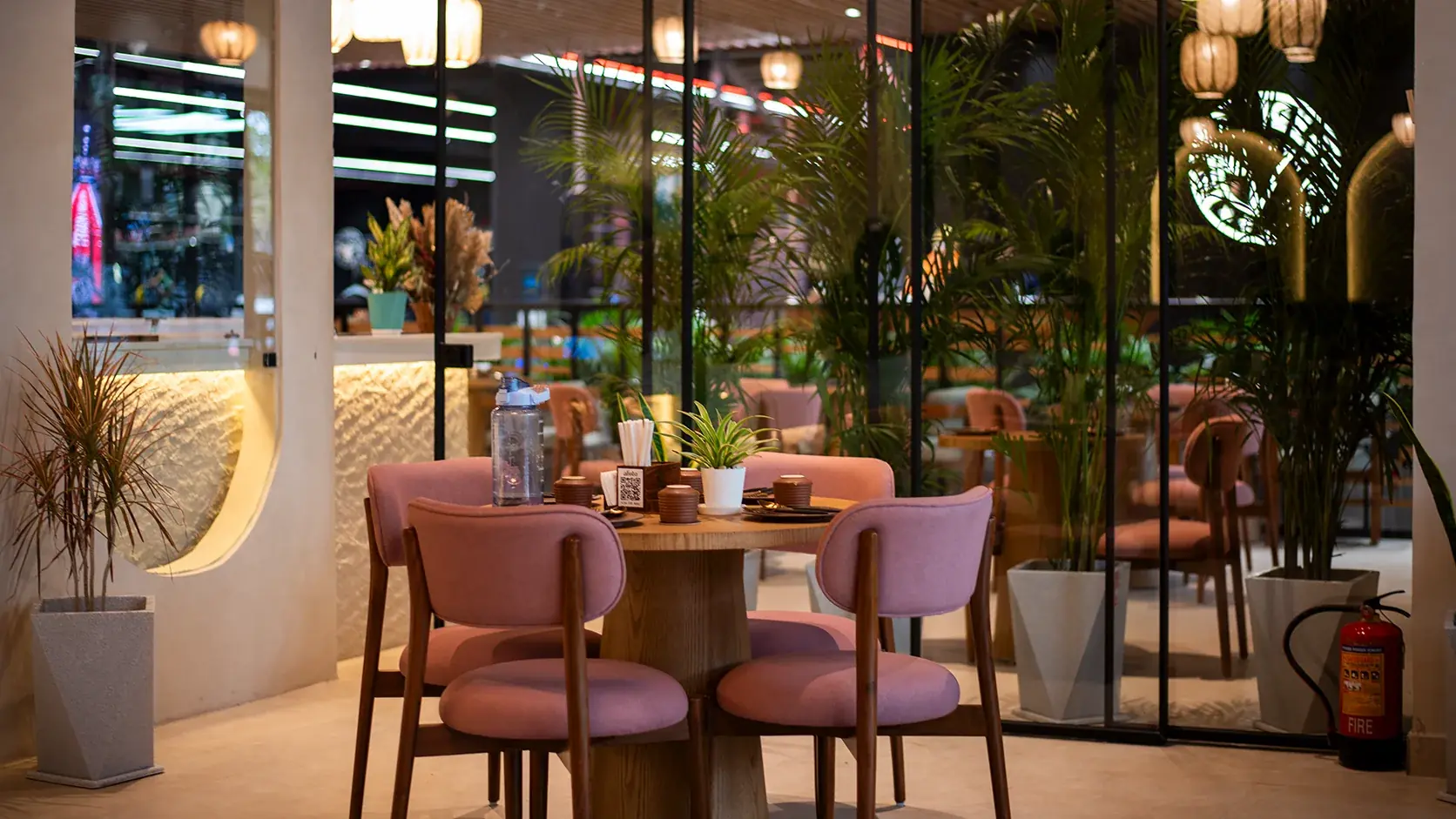
Lighting is being treated as its own design discipline rather than an afterthought, with layered sources, task lighting, ambient wash, accent pools, replacing a single flat ceiling scheme. This alone changes how long guests linger and how photogenic a space feels on social media.
Sustainable and Low-Maintenance Materials
Durable, easy-to-clean natural materials are being chosen over trend-driven finishes that look dated within two years. This is partly aesthetic and partly financial, since replacement and repair costs on cheap finishes add up fast in high-traffic F&B spaces.
Multi-Use Spaces
Layouts that convert from a daytime cafe mode to an evening bar mode without a full reset are becoming more common, especially in cities where rent makes single-purpose venues harder to justify.
Local Art and Craft Integration
Commissioned local art and craft work is increasingly replacing generic decorative pieces, giving venues a visual identity that's harder for competitors to copy and often cheaper than imported decor at scale.
Design Choices That Actually Affect Table Turnover
Seating comfort calibrated to the intended dwell time, a quick-turn cafe needs different seating than a leisurely dinner venue. Clear sightlines from the entrance that help guests self-seat faster during a rush. And acoustic treatment, a loud room pushes conversations shorter and turns tables faster, which some formats want and others don't.
Case Study
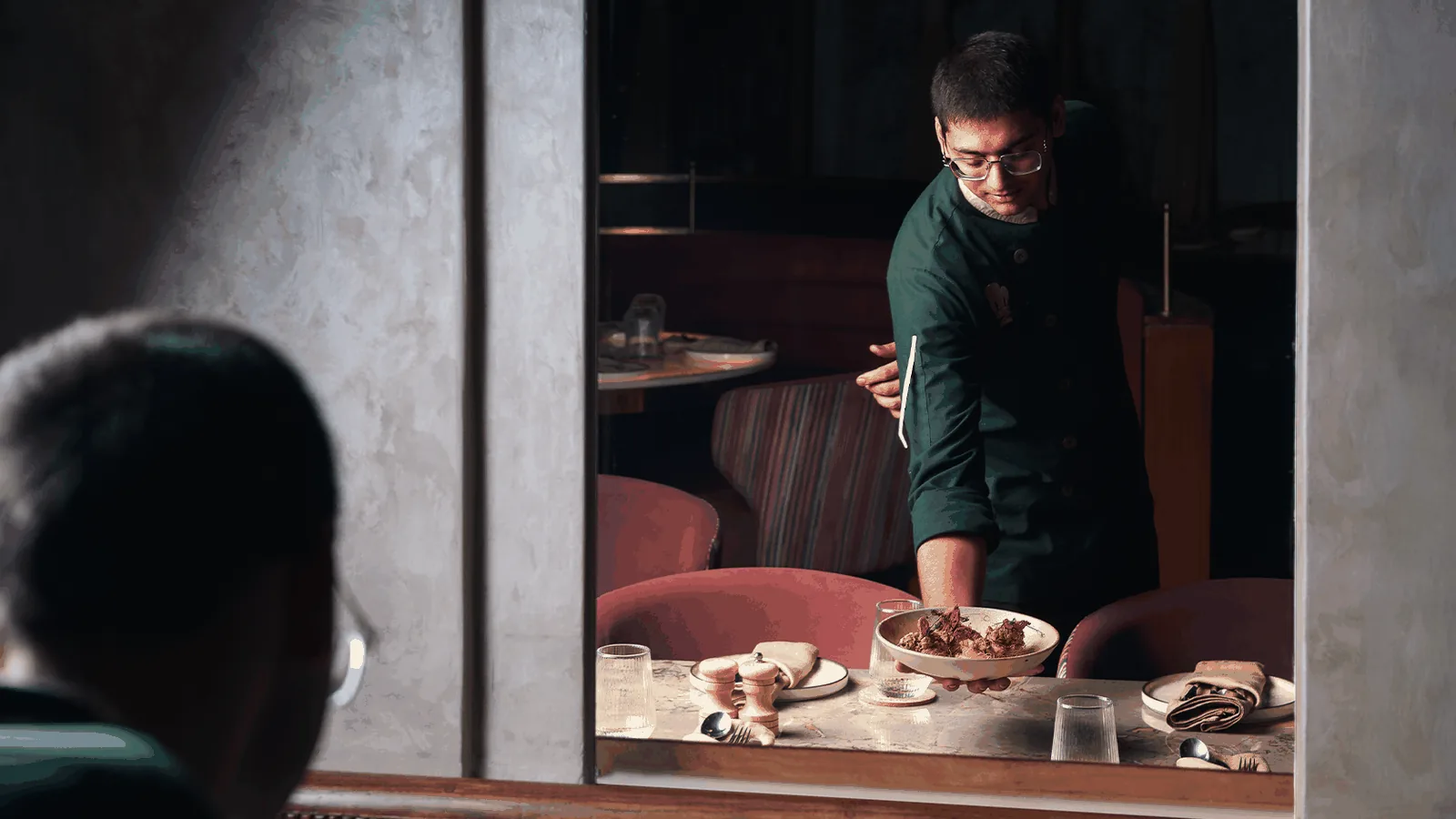
On the Jay's Mirove project in Jaipur, the design leaned into the building's existing character rather than overriding it, brutalist structural elements paired with warm local material choices, which gave the space a visual identity that couldn't be replicated by a competitor opening down the street with a generic fit-out.
Once the space is designed, the next decision is what goes on the menu. See our Restaurant Kitchen Equipment List and Bar Menu Engineering guides.
Design Budget Allocation Guide
Furniture and seating runs 25% – 30%, typically covering highest customer-facing impact per rupee spent. Lighting runs 10% – 15%, typically covering layered lighting significantly affects dwell time. Flooring and finishes runs 15% – 20%, typically covering durability matters more than trend in high-traffic zones. Art, decor and branding runs 10% – 15%, typically covering where local and commissioned work adds the most identity.
Avoiding Common Design Mistakes
Over-designing the entrance and under-designing the seating experience, guests spend far more time in their seat than at the door. Choosing trend-driven finishes that photograph well but wear poorly under daily high-traffic use. And ignoring acoustic treatment, a beautiful room that's too loud for conversation drives away exactly the guests who'd linger and spend more.
Designing for Both Day and Night Service
Many Indian F&B venues now operate across distinctly different day parts, a working lunch crowd, an evening dinner service, and sometimes a late-night bar scene, and interior design increasingly needs to flex across all three rather than serving only one mode well. Adjustable lighting scenes, movable furniture configurations, and zoning that can shift emphasis from a bright daytime cafe feel to a moodier evening atmosphere are becoming standard requests from operators managing this kind of multi-occasion venue.
This flexibility does add complexity to the initial design brief, but it also extends a venue's useful hours and revenue potential from a single build, which is usually a better return on the interior design investment than optimising narrowly for one time of day.
Sustainability as a Design and Cost Lever
Sustainable material choices in F&B design are increasingly driven by cost logic as much as environmental positioning. Durable, repairable natural materials generally outlast trend-driven synthetic finishes in high-traffic commercial settings, which reduces the frequency and cost of interior refreshes over a venue's operating life. Guests also increasingly notice and respond positively to visible sustainable choices, locally sourced materials, energy-efficient lighting, which can become part of a venue's story and marketing, not just a background design decision.
Balancing Trend-Driven Design with Longevity
Chasing every emerging design trend can leave a venue feeling dated within just a couple of years, while a design that's too conservative risks feeling unremarkable from day one. The venues that age well tend to anchor their design in one or two durable, distinctive choices, a signature material, a strong lighting concept, and layer more trend-responsive elements, furniture, art, seasonal decor, on top of that stable foundation rather than building the entire identity around a single passing aesthetic.
This approach also makes future refreshes considerably cheaper, since updating soft elements like furniture upholstery or art doesn't require touching the structural design choices that define the space's core identity.
Working With a Designer vs an F&B-Specific Consultant
A general interior designer typically excels at aesthetic execution but may not fully account for operational flow, how servers move through a space during peak service, where a bar's sightlines need to sit relative to the entrance, or how kitchen adjacency affects plate temperature by the time food reaches a table. An F&B-specific consultant or designer builds these operational realities into the design brief from the start, which tends to prevent costly layout mistakes that only become apparent once the venue is actually operating at full service volume.
FAQs: Restaurant and Bar Interior Design Trends India 2026
Designing a Space That Also Performs?
We plan interiors that support table turnover and brand identity, not just good photos.
Talk to The Bar Consultants