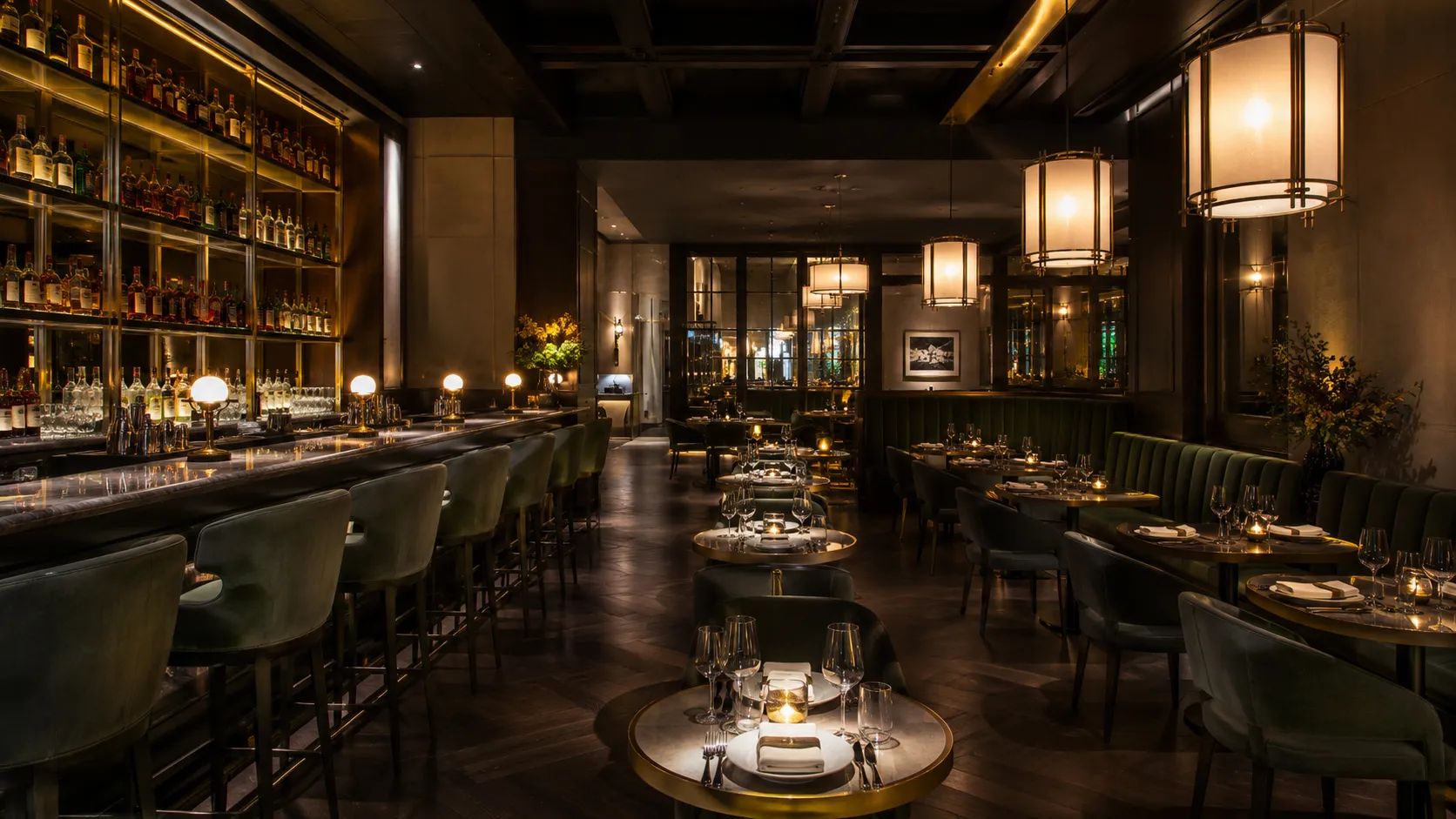
Grotto in Gurugram did not need more guests. It needed tighter control over what was already happening in the kitchen and behind the bar.
Grotto in Gurugram did not need more guests. It needed tighter control over what was already happening in the kitchen and behind the bar. This case study looks at how portion consistency and vendor renegotiation improved margins without changing menu pricing or the guest experience.
The Situation
Like many busy venues, Grotto had healthy footfall but margins that were lower than the team expected. Food cost had drifted, portions varied between cooks, and long-standing vendor rates had not been reviewed against the market.
Licensing and Launch Planning
From the start, licence planning ran in parallel with interior design and menu development, instead of after it. That sequencing recovered weeks that are usually lost when licensing is treated as a final step. Our Bar Licensing in India state-wise guide explains why this matters.
What We Diagnosed
The diagnostic looked at recipes, portion weights, vendor rates, wastage and the sales mix. Three issues stood out. Portions were inconsistent between shifts and cooks. Two key vendor contracts were priced above current market rates. And a few low-margin dishes were selling well but hiding their cost.
Step 1: Portion Consistency
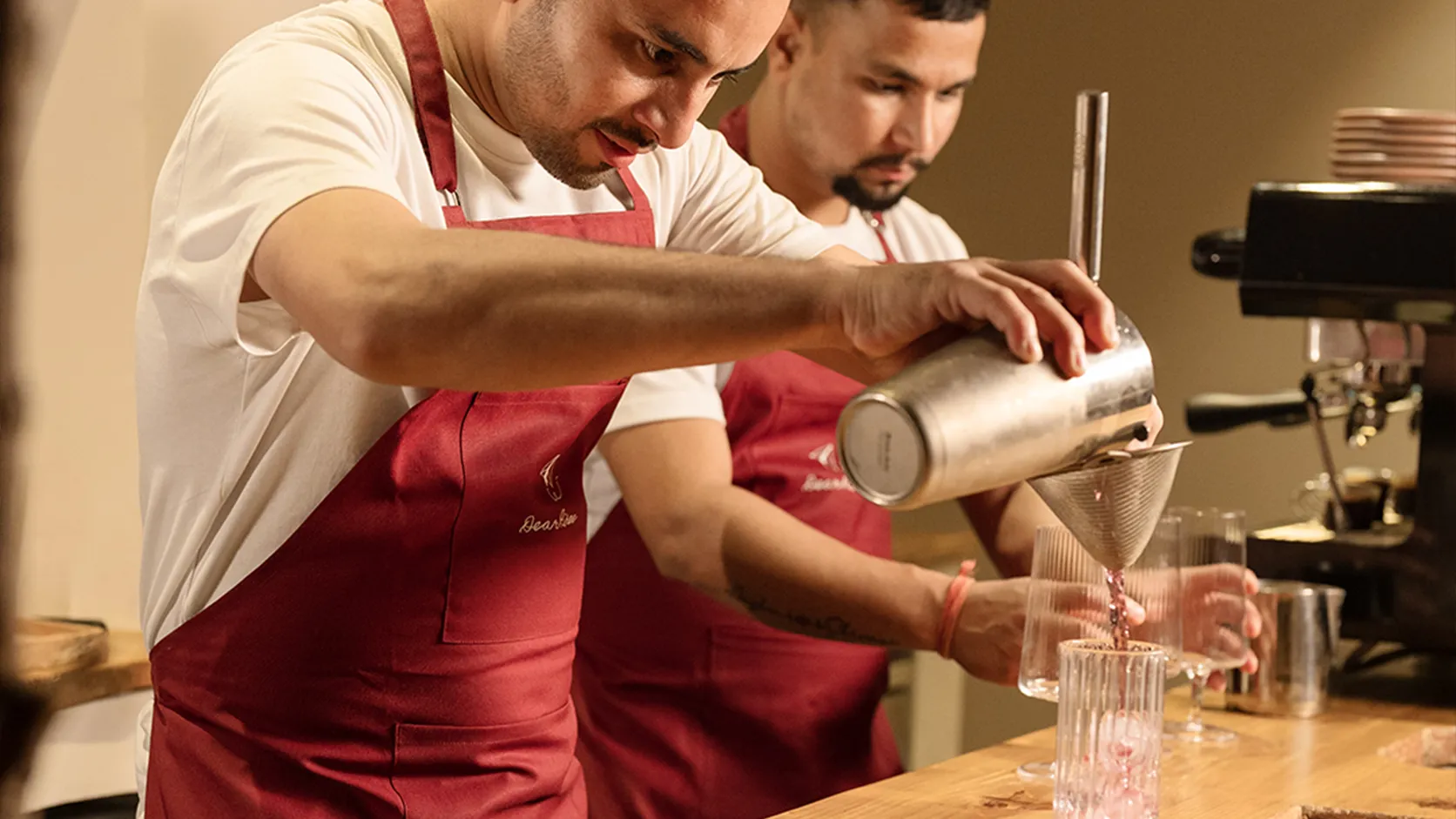
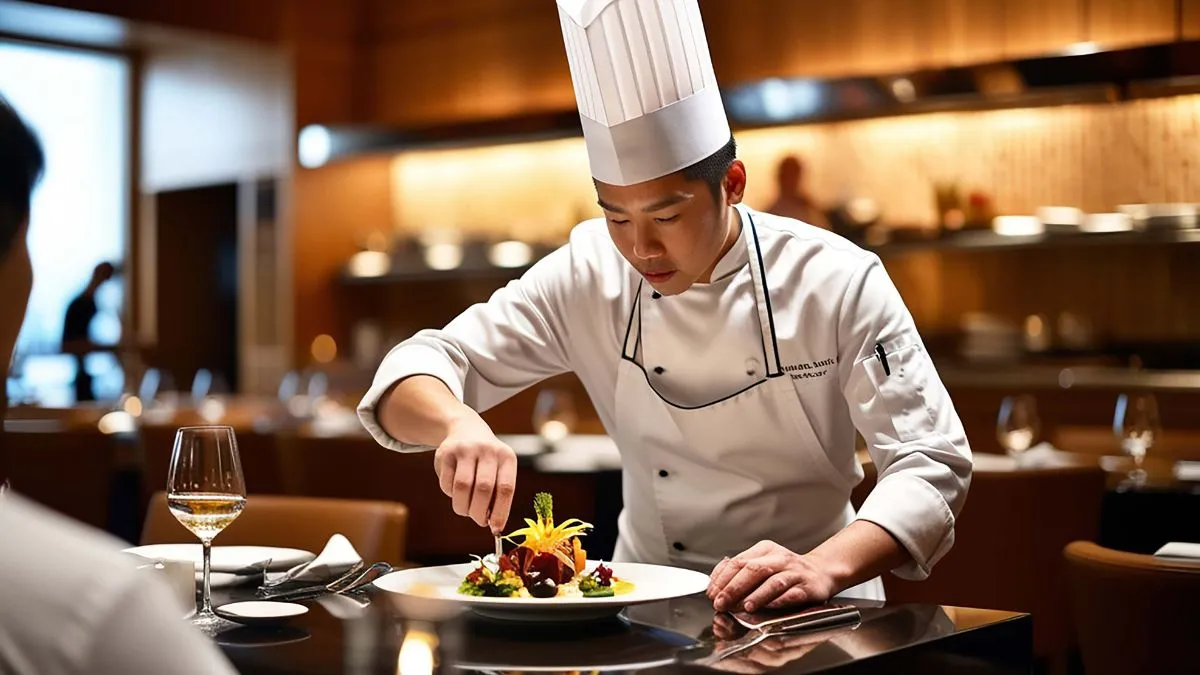
Recipes were standardised with exact weights and measures, and plating guides were placed at the point of use. Station checks during service ensured the standards were followed, not only taught. This alone reduced the variation that quietly inflates food cost.
Step 2: Vendor Renegotiation
Two key vendor contracts were renegotiated against current market prices and alternative quotes. The venue set a routine to review vendor pricing every quarter, so drift is caught before it compounds.
Step 3: Menu and Cost Review
Every dish was costed and classified by margin and popularity. High-margin dishes were given better positions, and low-margin popular dishes were adjusted through portioning and ingredient substitution rather than visible price rises. This approach follows the principles in our guide on How to Increase Restaurant Profit Margins in India.
The Result
Food cost percentage moved down by several points within the first quarter of operation. That improvement came without changing menu pricing or reducing portions in a way guests would notice.
Why This Worked
The improvement came from operational discipline, not from cutting quality. Standardising recipes removed variation. Renegotiating vendors reduced input cost. And tracking food cost weekly caught drift early. None of these changes were visible to guests, which meant the guest experience was protected.
Project Snapshot
| Item | Detail | Notes |
|---|---|---|
| Location | Gurugram | Busy venue with healthy footfall and a margin gap |
| Focus areas | Portion control, vendor pricing and menu costing | The biggest sources of food cost drift |
| Timeline | First quarter of operation | Measurable improvement in food cost percentage |
| Guest impact | None visible | No change in menu pricing or noticeable portion size |
Lessons for Other Operators
Track food cost weekly, not monthly. Standardise recipes with exact weights before you try anything else. Review vendor contracts twice a year. Cost every dish and classify it by margin and popularity. And build these habits into SOPs, so the improvement lasts after the consultant leaves. Our Restaurant SOPs and Staff Training Guide explains how to document the systems that make it stick.
Grotto is one of several projects across Delhi NCR, Chandigarh, Jaipur and Raipur that we describe in our F&B Consultant Near You guide.
FAQs: Grotto Margin Turnaround Case Study
Want to Find Where Your Margin Is Leaking?
We audit menus, costing and operations to find and fix the gaps.
Talk to The Bar Consultants