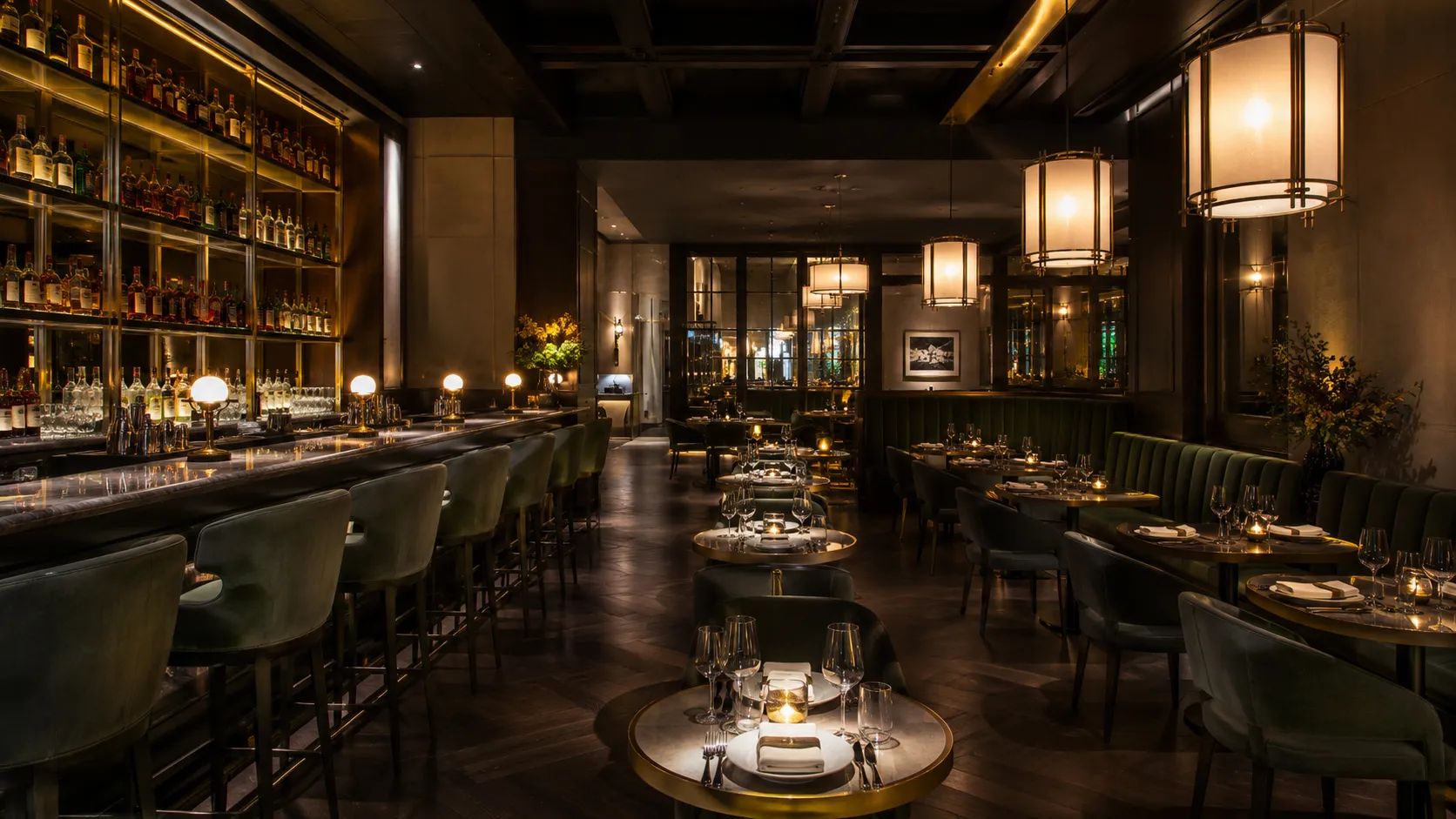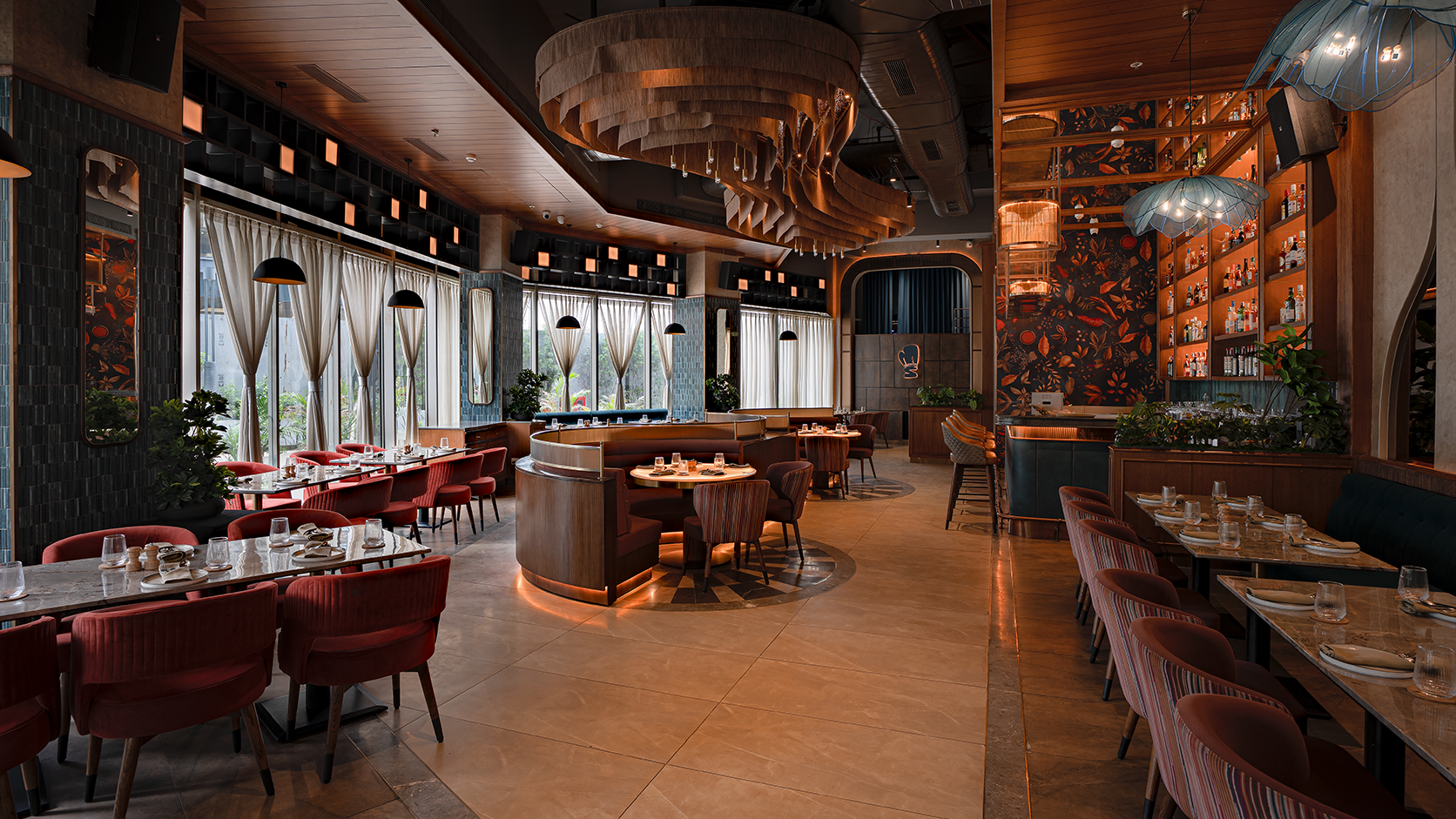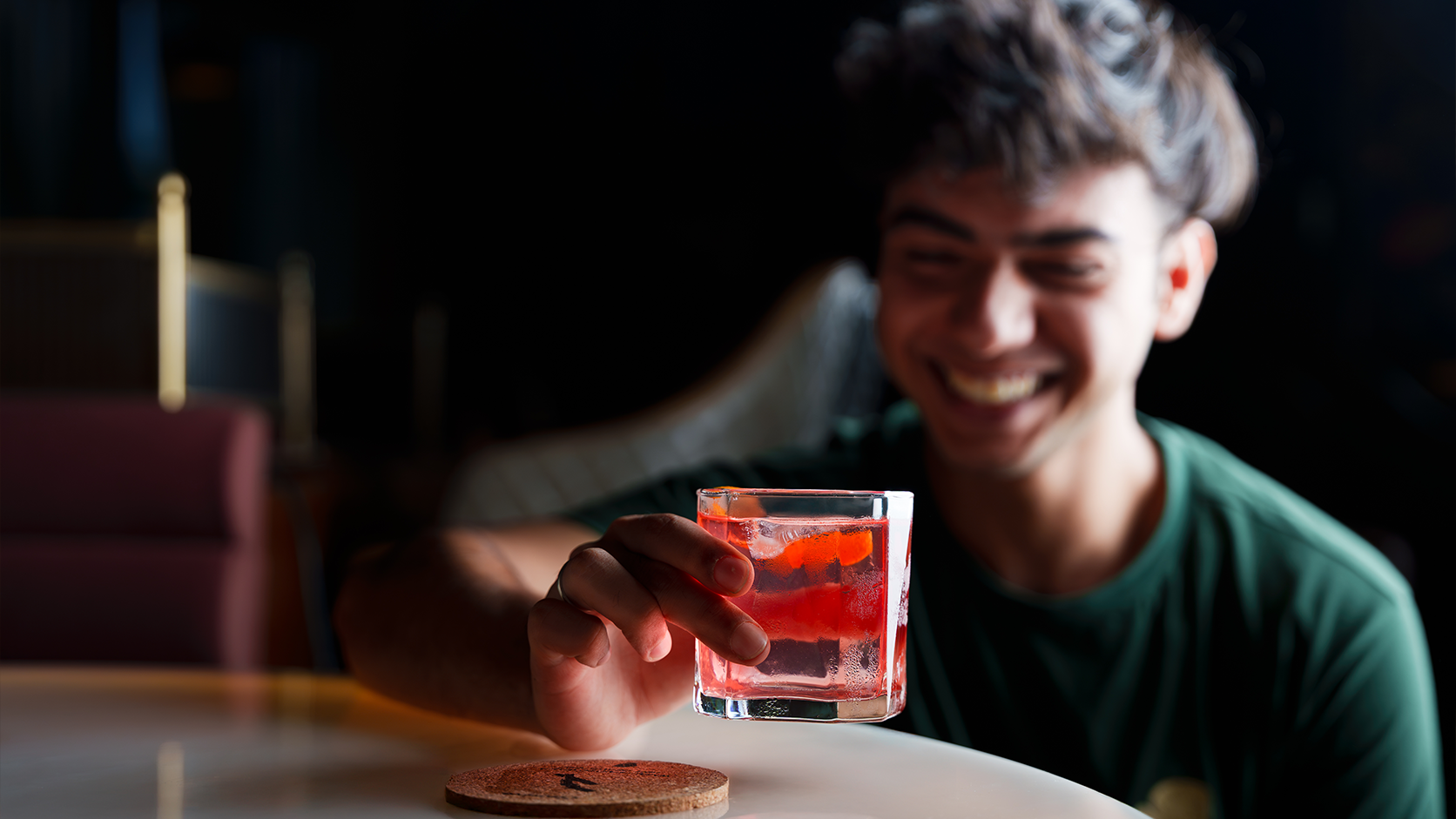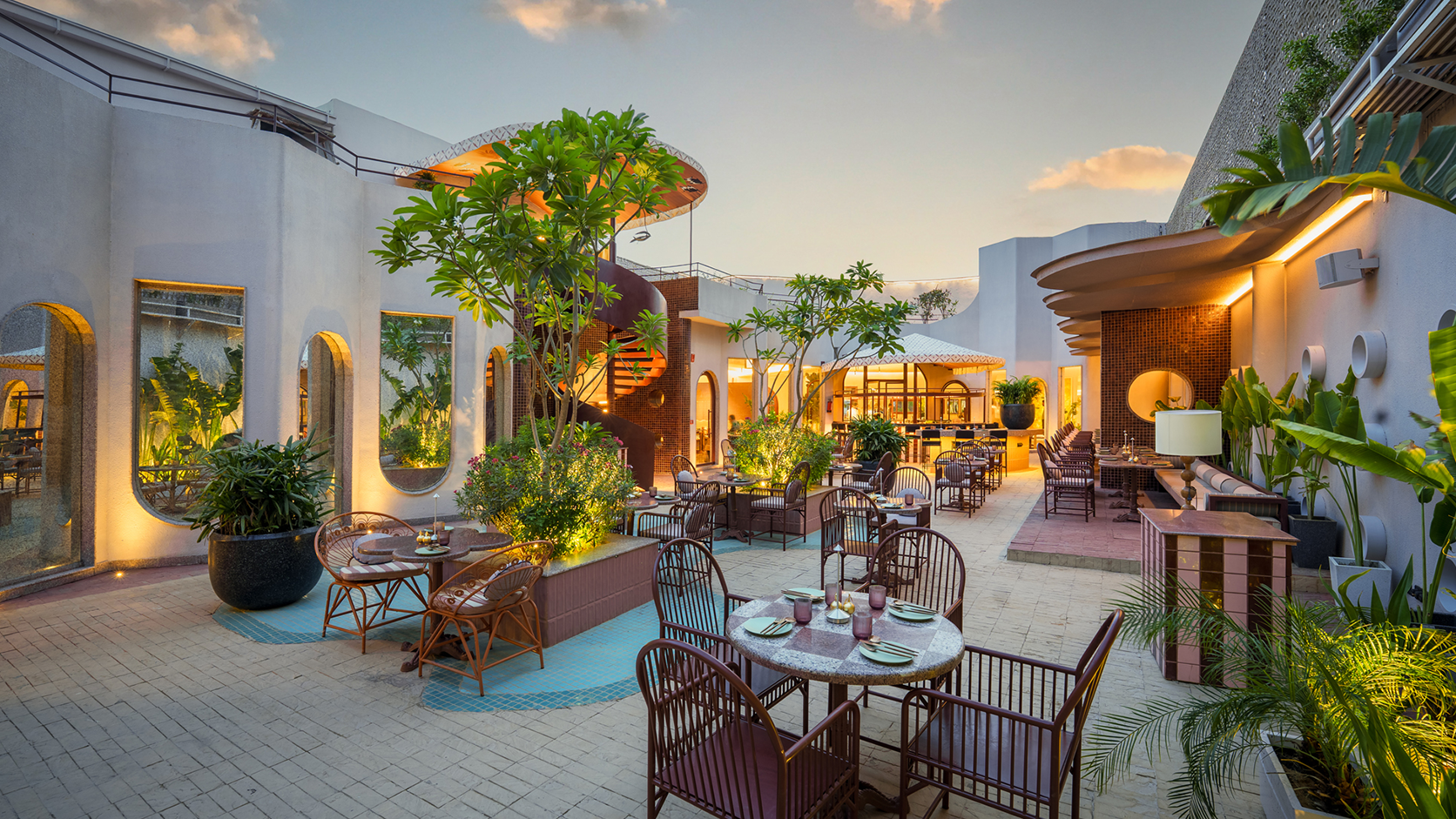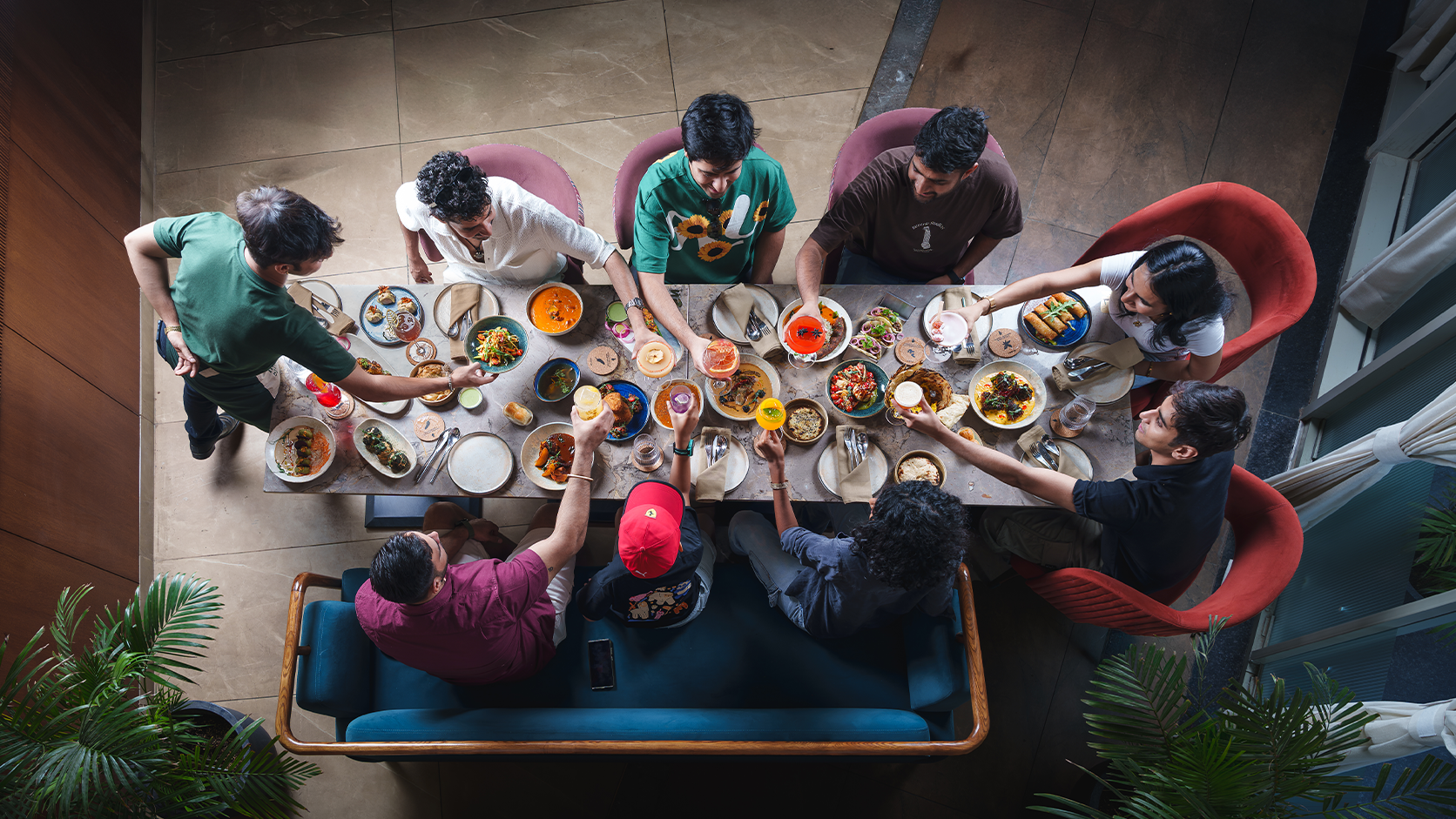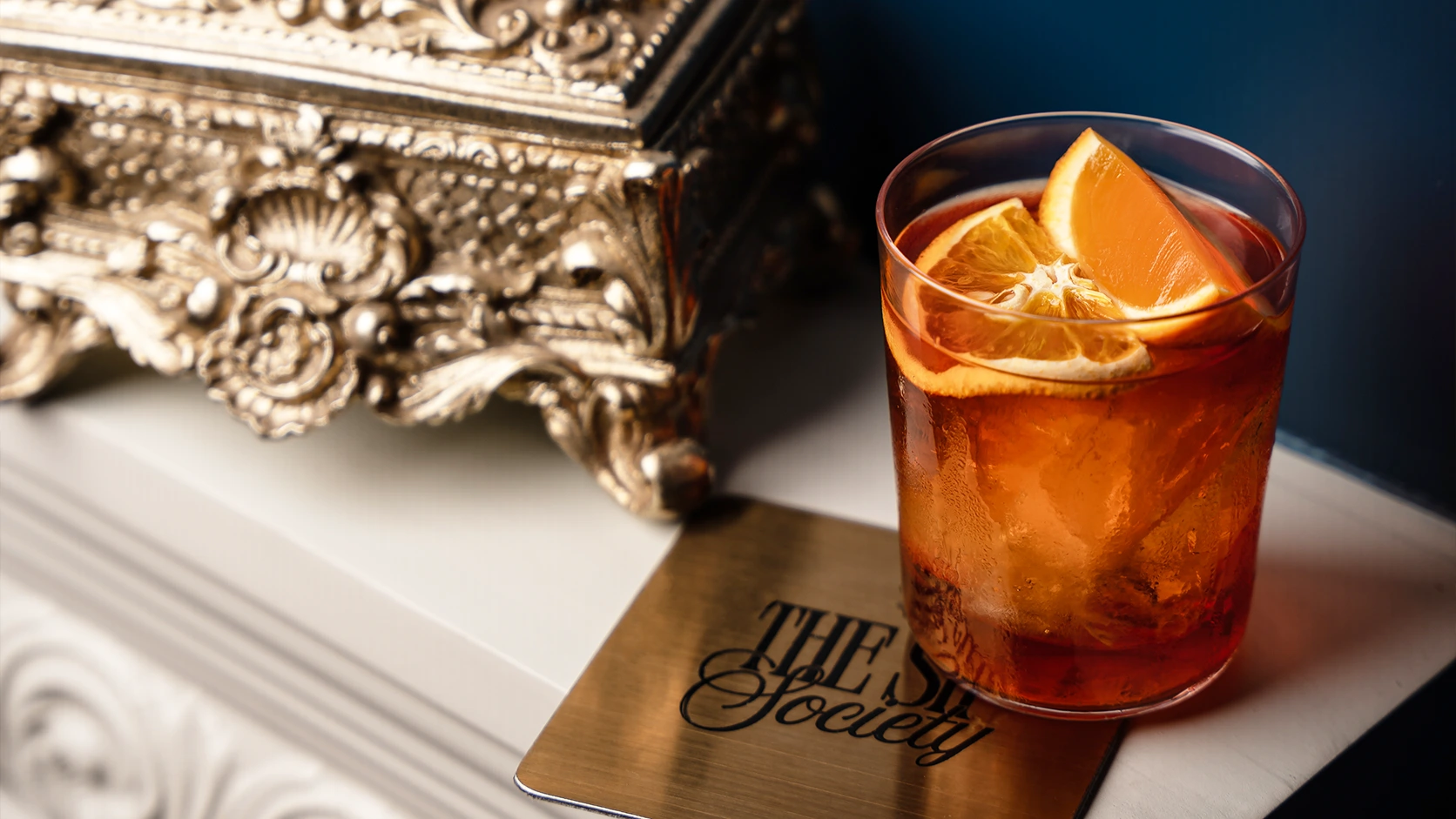
The Sip Society in Chandigarh was built around a simple idea: give guests a reason to check the menu instead of ordering the same drink every visit.
The Sip Society in Chandigarh was built around a simple idea: give guests a reason to look at the menu, instead of ordering the same drink every visit. This case study looks at how The Bar Consultants approached the beverage programme, and what other operators can take from it.
The Brief
The venue wanted a beverage-led identity in a market where guests were becoming more selective. The goals were a distinctive cocktail programme, a menu that could be executed consistently by the team, and a format that could work both on-premise and as a retail-ready mixer line.
The Challenge
Tier 2 markets like Chandigarh have strong demand for quality but often thinner competition and a less experienced bartending pool. The programme had to be ambitious enough to stand out, and simple enough to be executed well every night.
Our Approach
We started with a diagnostic conversation about the guest, the occasion and the price point. From there, the work moved through concept alignment, menu architecture, recipe development, costing, pricing and team training.
A Rotating Seasonal Menu
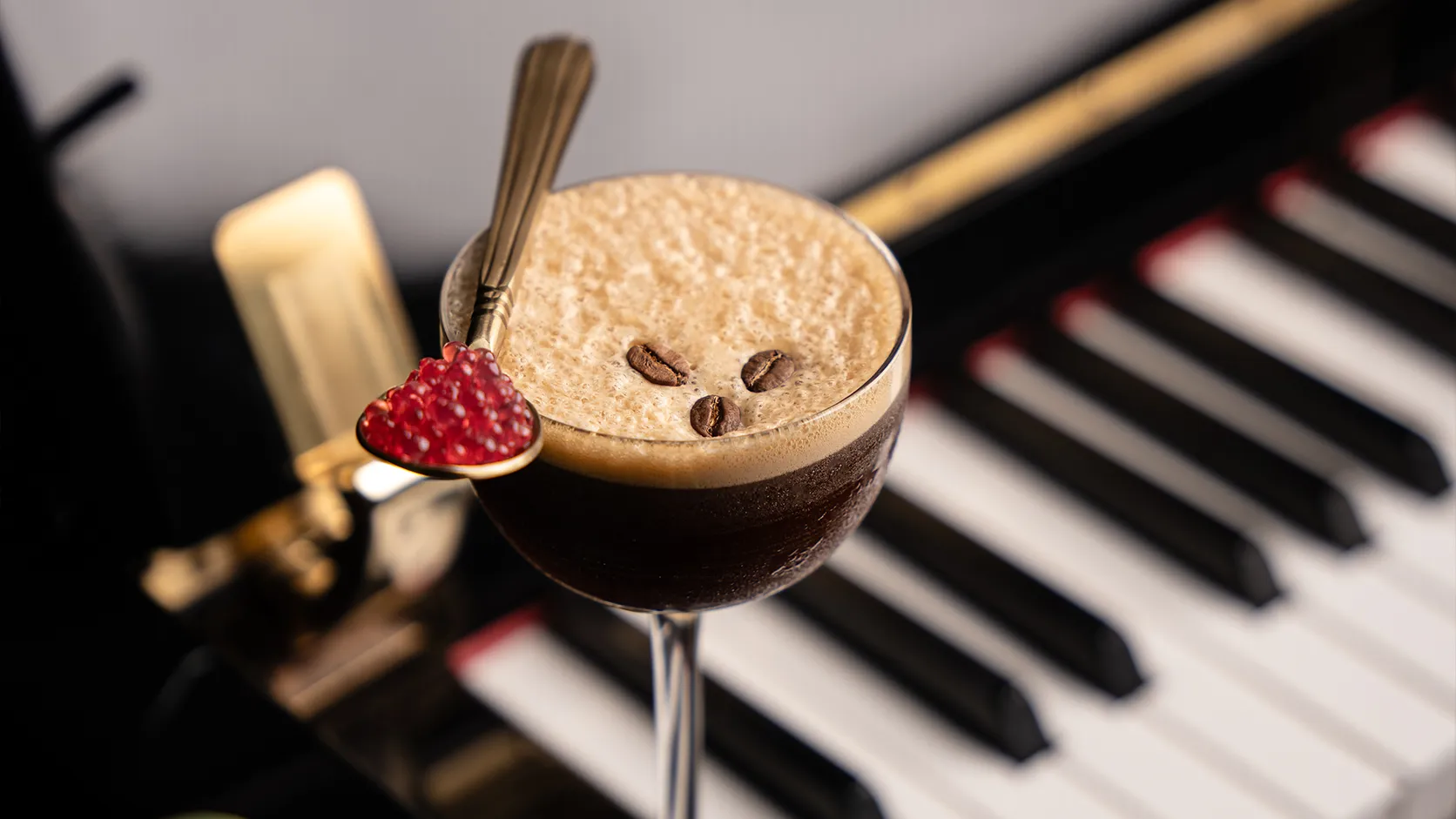
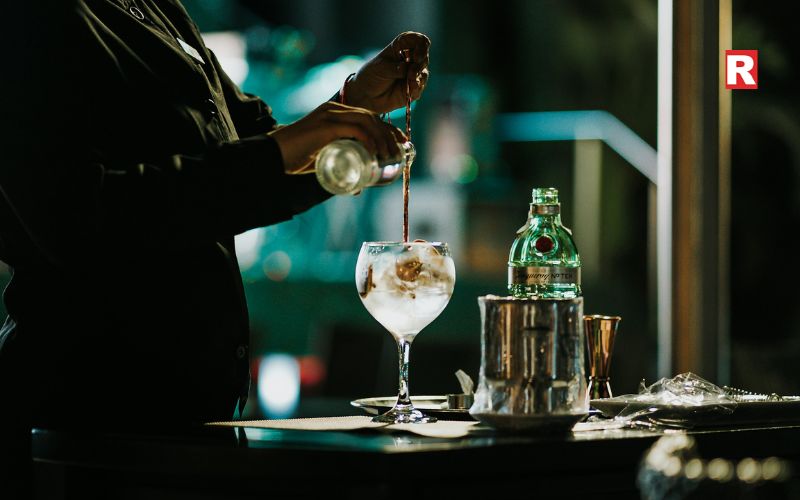
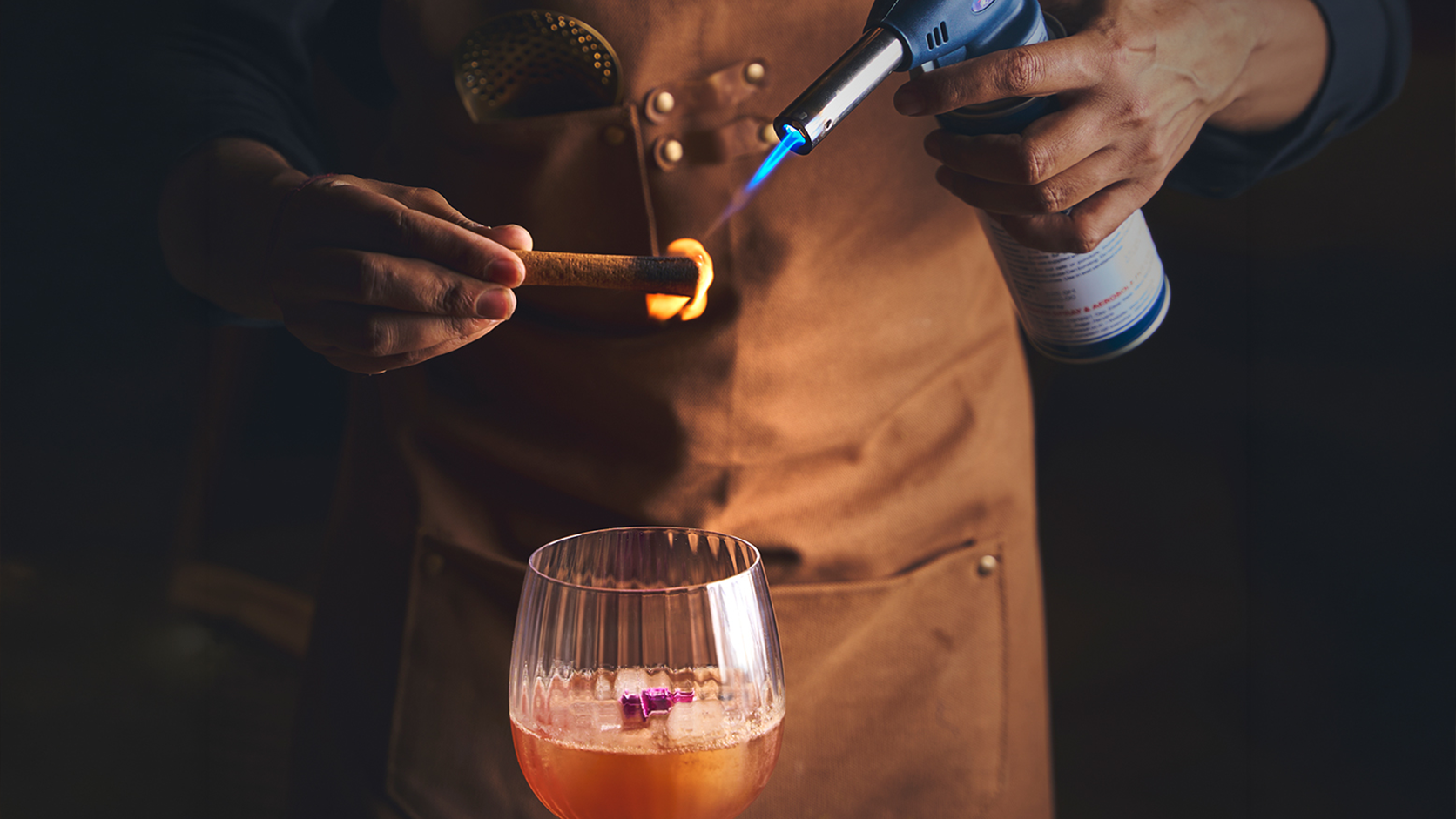
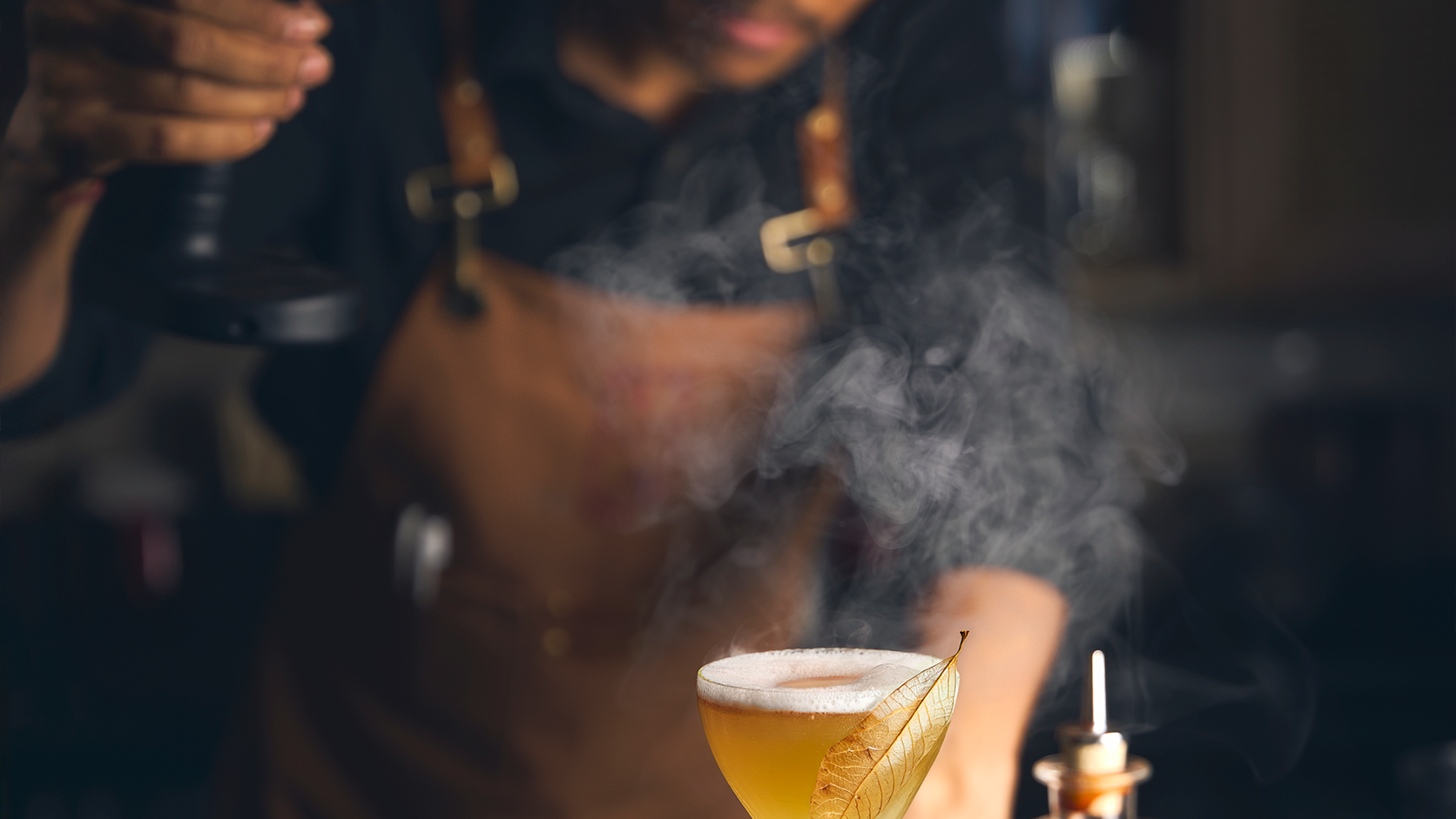
The menu was built with a stable core and a rotating seasonal section, which gives regulars a reason to keep checking what is new. The seasonal drinks changed with the calendar and used ingredients that were in season and locally available. This also gave the venue content for social media several times a year, without needing to invent a new concept.
The logic is the same one we describe in our Monsoon Cocktail Menu Ideas guide: a limited-time menu with a clear end date creates urgency.
Engineered for On-Premise and Retail
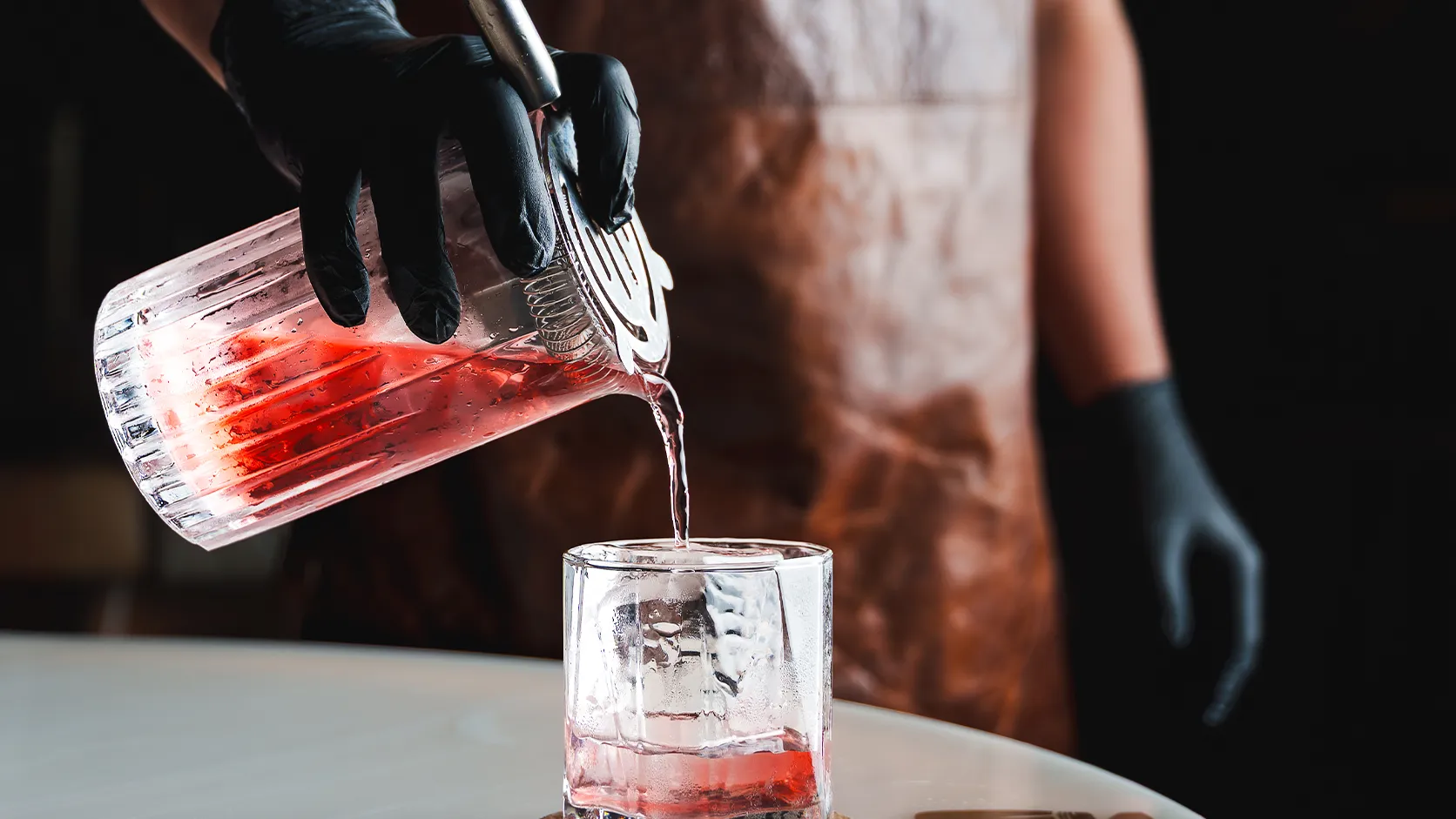
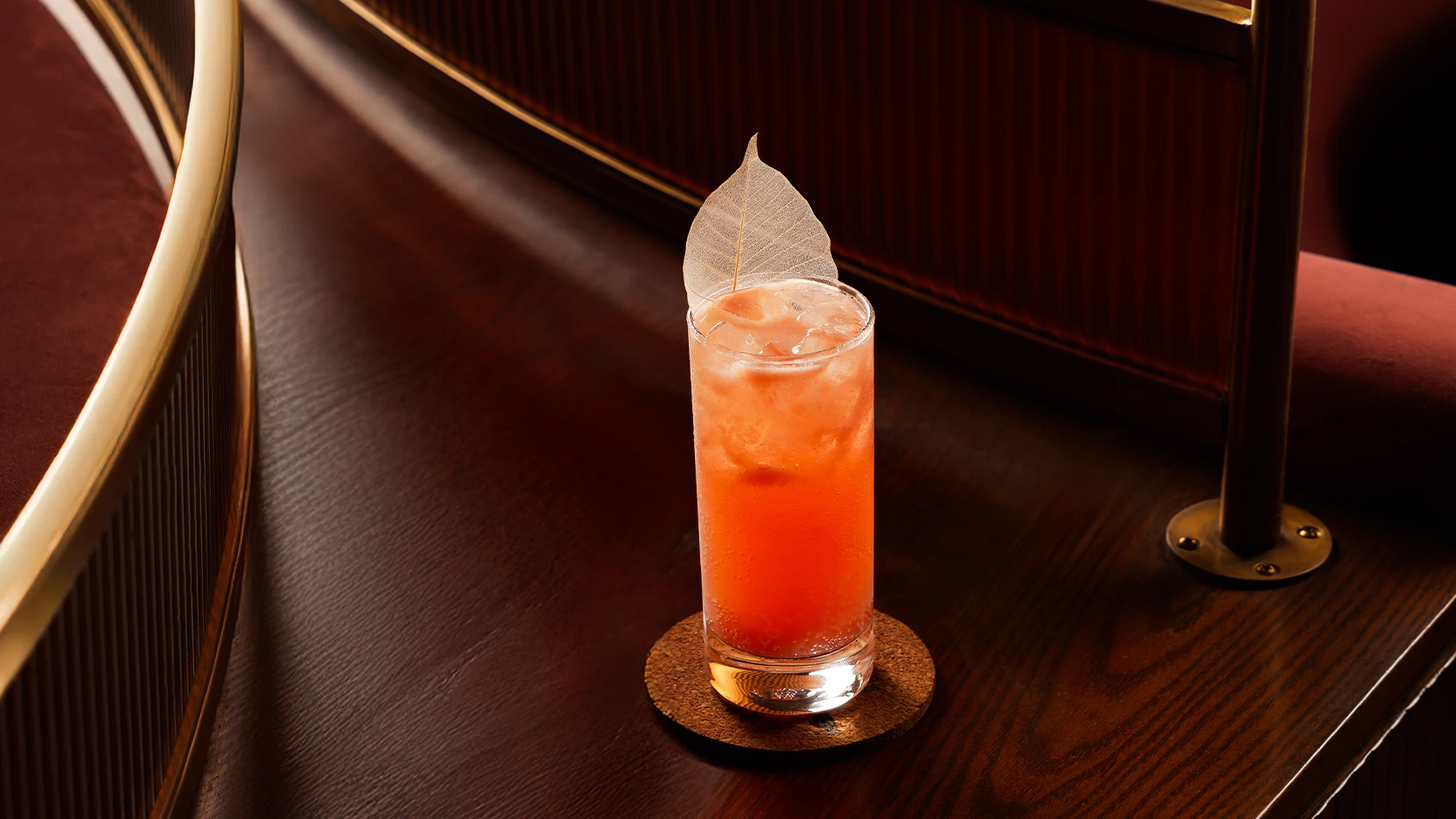
The cocktail recipes were designed from day one to work both behind the bar and as a retail-ready mixer line. That meant choosing formats that hold structure, can be batched consistently, and remain stable when packaged. It also meant documenting recipes precisely, so the drink guests take home tastes like the one they had in the venue.
For the delivery and mixer side of this thinking, see our guide on Dark Kitchen for Bars and the rise of delivery-only cocktail brands.
Costing, Pricing and Menu Structure
Every drink was costed to the millilitre and classified using the same framework we describe in Bar Menu Engineering. Prices were set with anchoring in mind, so that mid-priced, high-margin drinks felt like the natural choice. Descriptions were kept short and sensory, and the menu was grouped by flavour and mood.
Training and Consistency
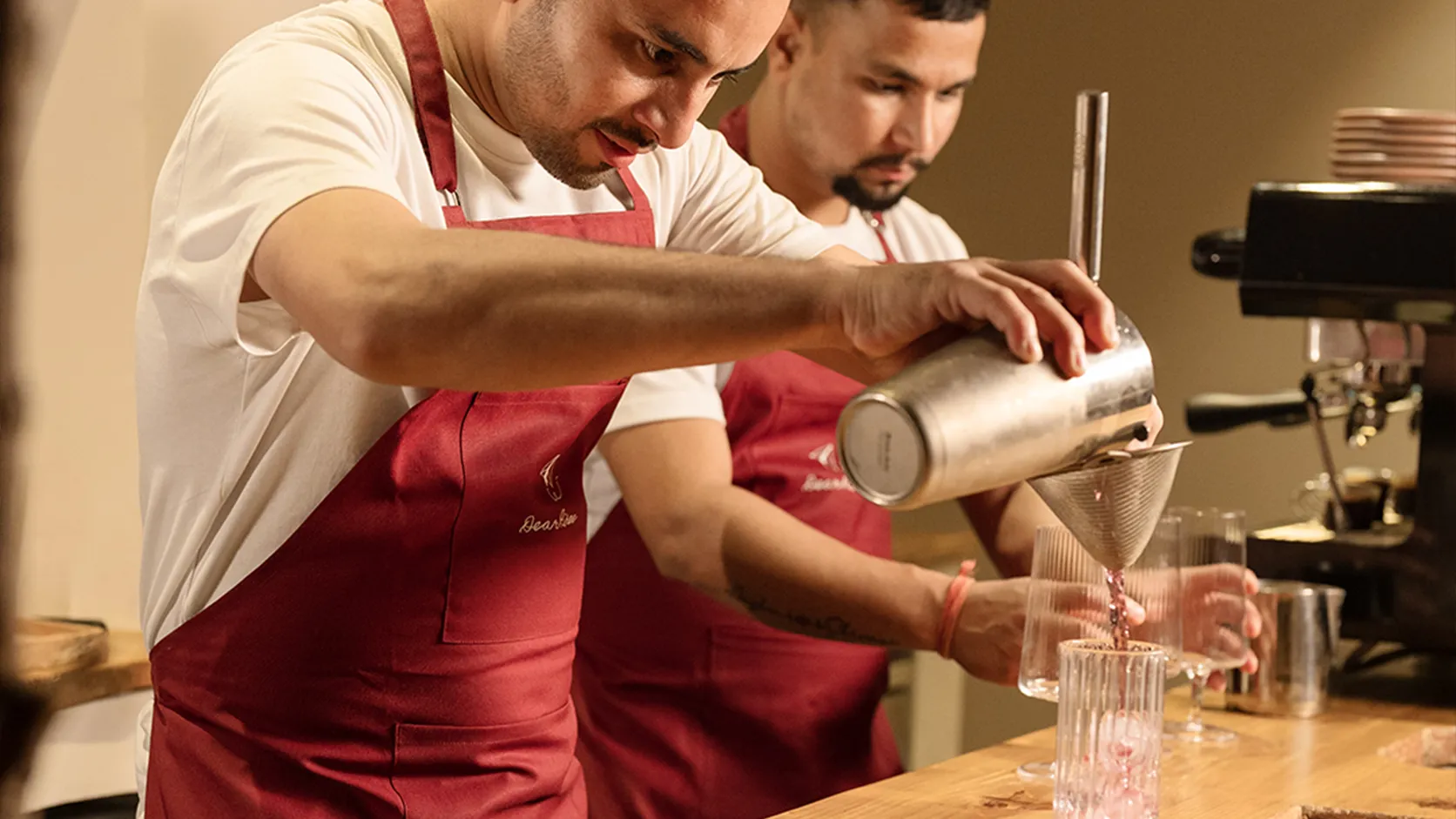
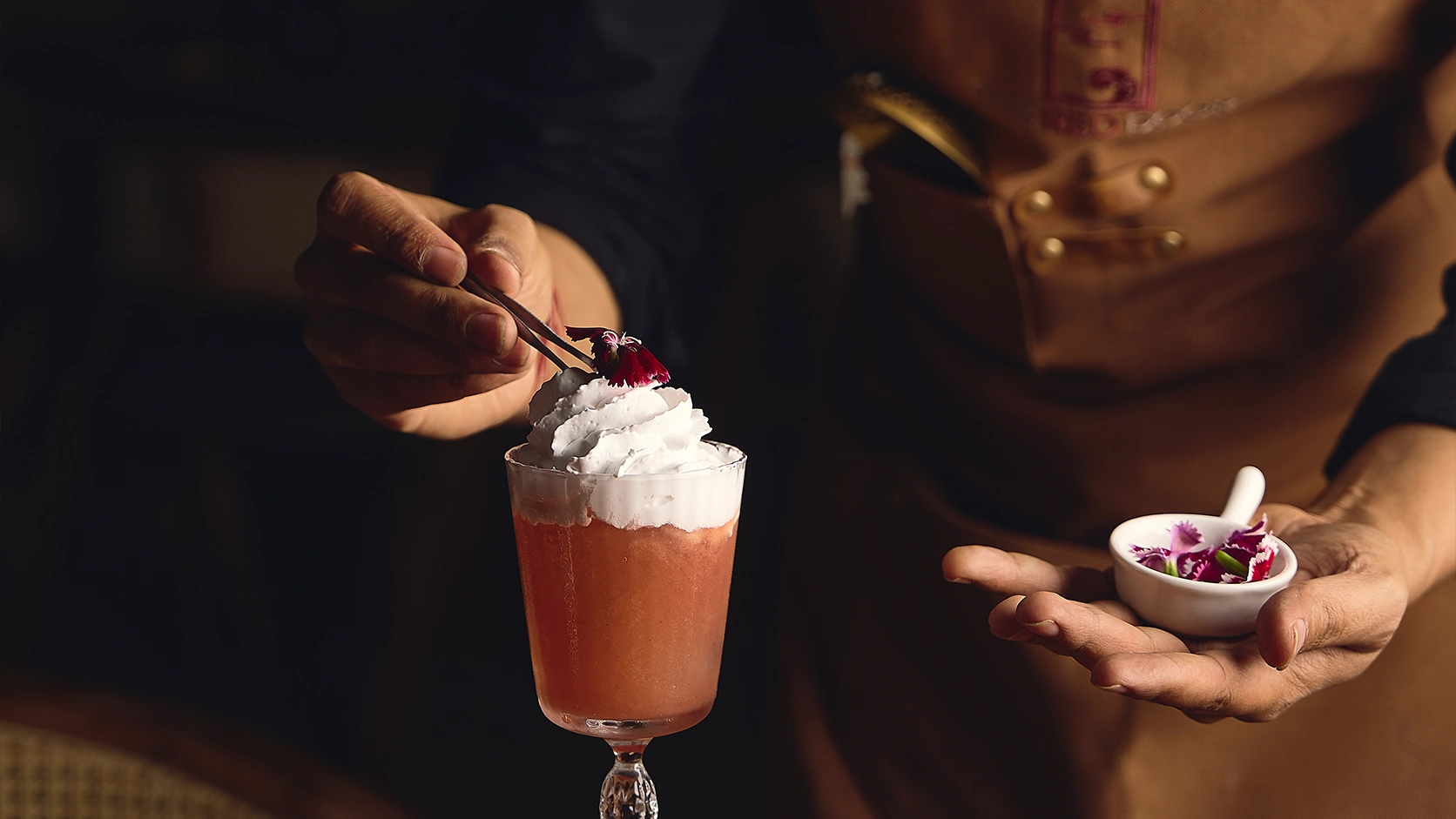
A menu is only as good as the team that makes it. Recipe cards, standard pour measurements and garnish specs were documented, and the team was trained on both technique and how to describe each drink in a sentence. This protected consistency when staff changed shifts and made recommending a drink easier.
What Operators Can Take From This
Build a stable core with a rotating section, so regulars always find something new. Design recipes to be batched and documented, which also opens up retail options. Cost and classify every drink before setting prices. Train the team to describe drinks, not just serve them. And use the seasonal calendar as a content engine for social media and local press.
Programme Snapshot
| Element | Approach | Why It Worked |
|---|---|---|
| Menu structure | Stable core plus rotating seasonal section | Regular guests return for something new |
| Recipe design | On-premise and retail-ready | Batching, consistency and packaging stability |
| Pricing | Anchored and costed to the millilitre | Margin protection across the menu |
| Training | Recipe cards and guest-facing descriptions | Consistency across shifts and staff changes |
FAQs: The Sip Society Case Study
Want a Beverage Programme With a Following?
We design cocktail programmes that build identity, protect margin and travel beyond the bar.
Talk to The Bar Consultants