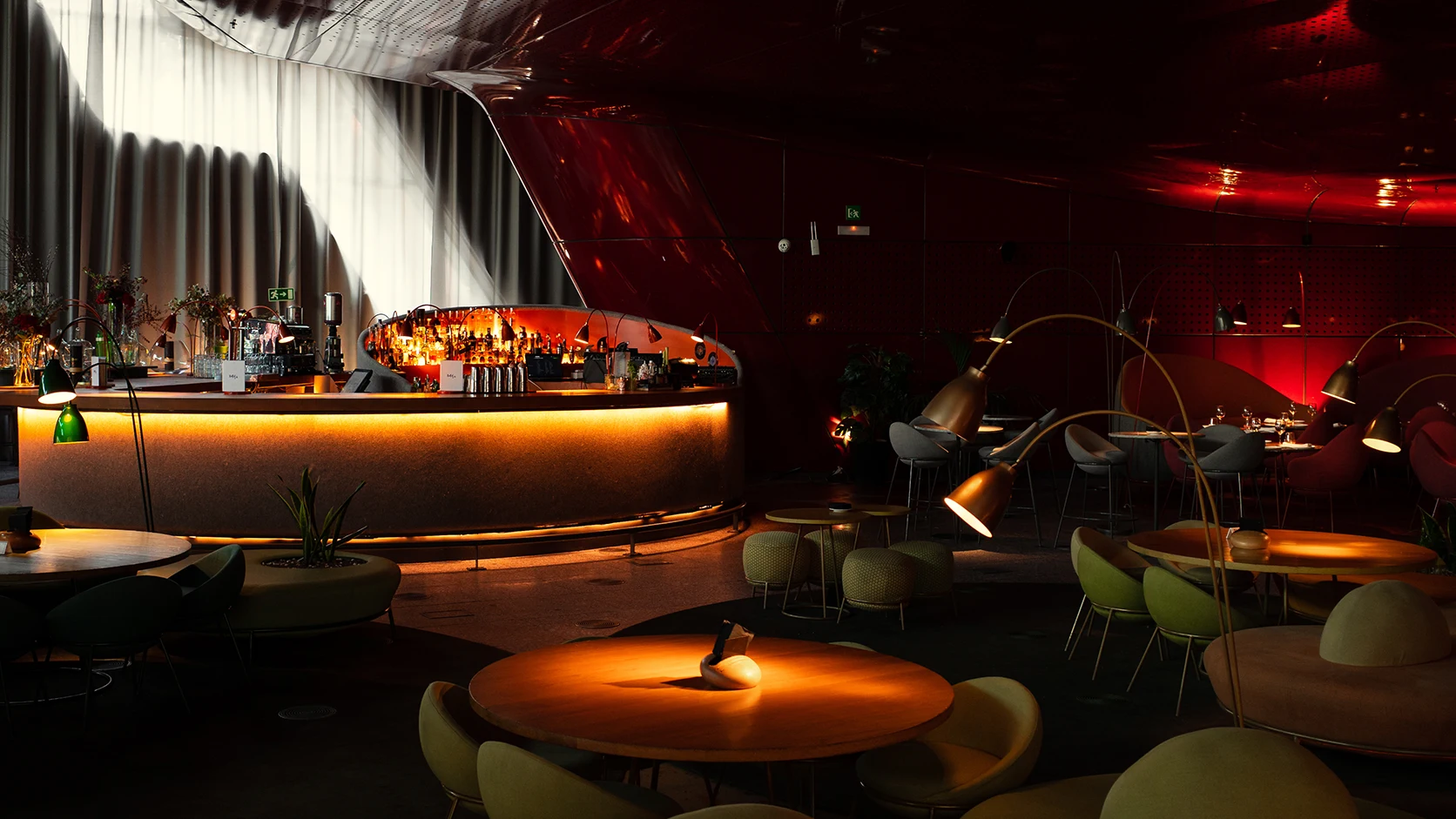
A nightclub is the most regulated and most capital-intensive format in F&B. Licences, acoustics, security and late-hours permissions all need planning before a single lease is signed.
A nightclub is the most heavily regulated and most capital-intensive format in Indian hospitality. Late-hour permissions, music licensing, crowd safety, sound control and excise all have to line up before you can open, and rules differ sharply between states and even between cities within a state.
This guide covers the licences a nightclub typically needs, realistic set-up costs, and the planning decisions that separate clubs that trade for years from those that close within months. All figures are indicative and should be confirmed locally.
Why Nightclubs Are a Different Category From Bars
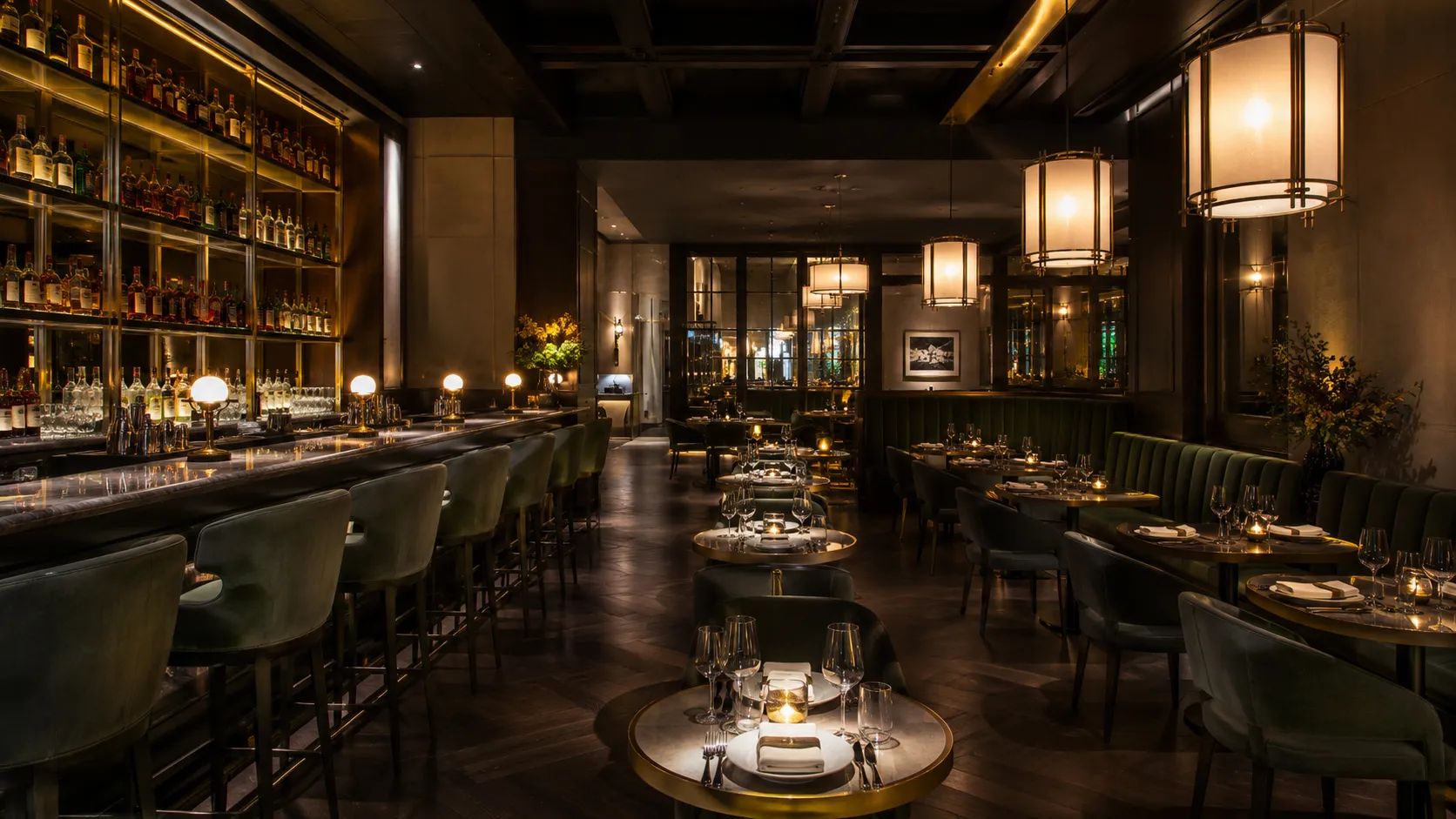
A bar can survive on a modest footprint and a tight team. A nightclub relies on high capacity, loud sound, late hours, security and high-energy programming. Each of these triggers extra regulation, and each adds a cost that a standard bar does not carry.
Licences and Permissions You Are Likely to Need
State excise licence for serving alcohol, in a category that permits late-night and higher-capacity operation where available. FSSAI licence for food and beverage service. Fire NOC, with exit widths, emergency lighting and capacity limits designed for a crowd venue. Municipal trade licence. Police permission for late hours, entertainment or dancing where the state requires it. Music licences from PPL and IPRS. Noise and pollution control permissions, as applicable. And GST registration.
Some states restrict club licences to hotels or to specific zones, and many impose distance rules from residential and religious premises. Check the specific address before you sign a lease. Our Bar Licensing in India state-wise guide explains how excise categories differ across states.
Nightclub Set-Up Cost Breakdown
| Cost Item | Indicative Range | What It Covers |
|---|---|---|
| Interiors and civil work | ₹8,000 – ₹15,000 per sq ft | Flooring, bar counters, seating, dance floor and finishes |
| Sound system | ₹15 lakh – ₹50 lakh | Speakers, amplification, DJ booth and acoustic treatment |
| Lighting and visual systems | ₹10 lakh – ₹40 lakh | Intelligent lighting, LED screens and control systems |
| Bar and back-bar equipment | ₹10 lakh – ₹25 lakh | Refrigeration, ice, glasswashers and multiple service stations |
| Licences and compliance | ₹5 lakh – ₹25 lakh or more | Excise, fire, police and music permissions |
| Opening inventory | ₹8 lakh – ₹20 lakh | Spirits, beer, mixers and bottle service stock |
For a 3,000 to 5,000 sq ft club in a metro, total investment commonly runs from ₹2 crore to ₹5 crore or more, before working capital.
Sound, Acoustics and Neighbours
Noise complaints are one of the most common reasons clubs face police action. Proper acoustic treatment, sound limiters and a considered location protect the business. Budget acoustic design at the start, not after the first complaint.
Security, Safety and Crowd Management
Trained door staff, bag-check protocols, CCTV coverage, clear emergency exits and a defined capacity limit are non-negotiable. Insurance and a written incident protocol should be in place before opening. Good safety practice also improves relationships with local authorities.
Staffing a Nightclub
A mid-size club typically needs a general manager, bar manager, several bartenders and bar-backs, servers, security team, a DJ or entertainment lead, and back-of-house support. Training on responsible service and refusal of service is essential. See our Restaurant SOPs and Staff Training Guide for how to document standards, and our guide on How to Hire and Retain Restaurant Staff in India for retention practices.
How Nightclubs Make Money
Most revenue comes from beverages, bottle service, cover charges and events. Weekend nights carry most of the income, so programming, promotions and guest lists matter as much as the venue. Build a realistic ramp curve rather than assuming full capacity from opening night.
Timeline From Concept to Opening
Expect 9 to 15 months for a well-planned club: site selection and licensing feasibility, design and acoustic engineering, licence applications, build-out, hiring and training, and a soft launch. Running licensing and design in parallel is the only reliable way to hit the shorter end of that range.
FAQs: Nightclub License and Setup Cost in India
Planning a Nightclub or Late-Night Venue?
We test the licensing, budget and operating model before you commit to a lease.
Talk to The Bar Consultants