An F&B consultant is an outside food and beverage specialist who plans, builds and fixes restaurants, cafes and bars.
Quick Answer: An F&B consultant is an outside food and beverage specialist who plans, builds and fixes restaurants, cafes and bars. The work covers concept, feasibility, menu, kitchen layout, costing, hiring, training and launch, plus post-opening operations. You hire one to avoid expensive mistakes and to open with a tested system.
What is an F&B consultant?
An F&B consultant is a hospitality professional who advises owners on every part of a food and beverage business, from the first idea to daily operations. "F&B" stands for food and beverage. The consultant is not an employee. They are hired for a defined project or a monthly retainer, bring experience from many outlets, and leave behind systems your team can run without them.
In India the role has grown fast because new formats keep appearing: cloud kitchens, microbreweries, rooftop bars, specialty cafes and experience-led dining. Founders often come from other industries. A consultant fills the gap between a good idea and a profitable outlet.
If you have heard terms like restaurant consultant, hospitality consultant or beverage consultant, they overlap. We compare them in detail in our guide on the differences between F&B, restaurant and hospitality consultants. Here we focus on what the work actually looks like.
What does an F&B consultant do, stage by stage?
The simplest way to understand the role is to follow a project from day one to opening day and beyond.
1. Market study and feasibility
Before any money is spent, the consultant checks whether the idea can work in the chosen city and location. This includes catchment analysis, competitor mapping, price points guests accept, expected covers per day, rent against likely revenue and a break-even estimate. A founder who skips this step often learns the answer only after signing a lease.
2. Concept development and positioning
The consultant turns a vague idea into a clear concept: who the guest is, what cuisine or drinks programme fits, what the brand promises, the average spend and the look and feel. A strong concept makes every later decision easier, from menu to interiors to staff uniforms.
3. Business plan and budget
The consultant builds a project budget covering interiors, kitchen and bar equipment, licences, pre-opening costs and working capital. A good budget also shows monthly revenue, cost lines and the month the outlet is expected to break even. This is the document banks and investors ask for. Our restaurant business plan guide for India shows what such a plan contains.
4. Menu and recipe development
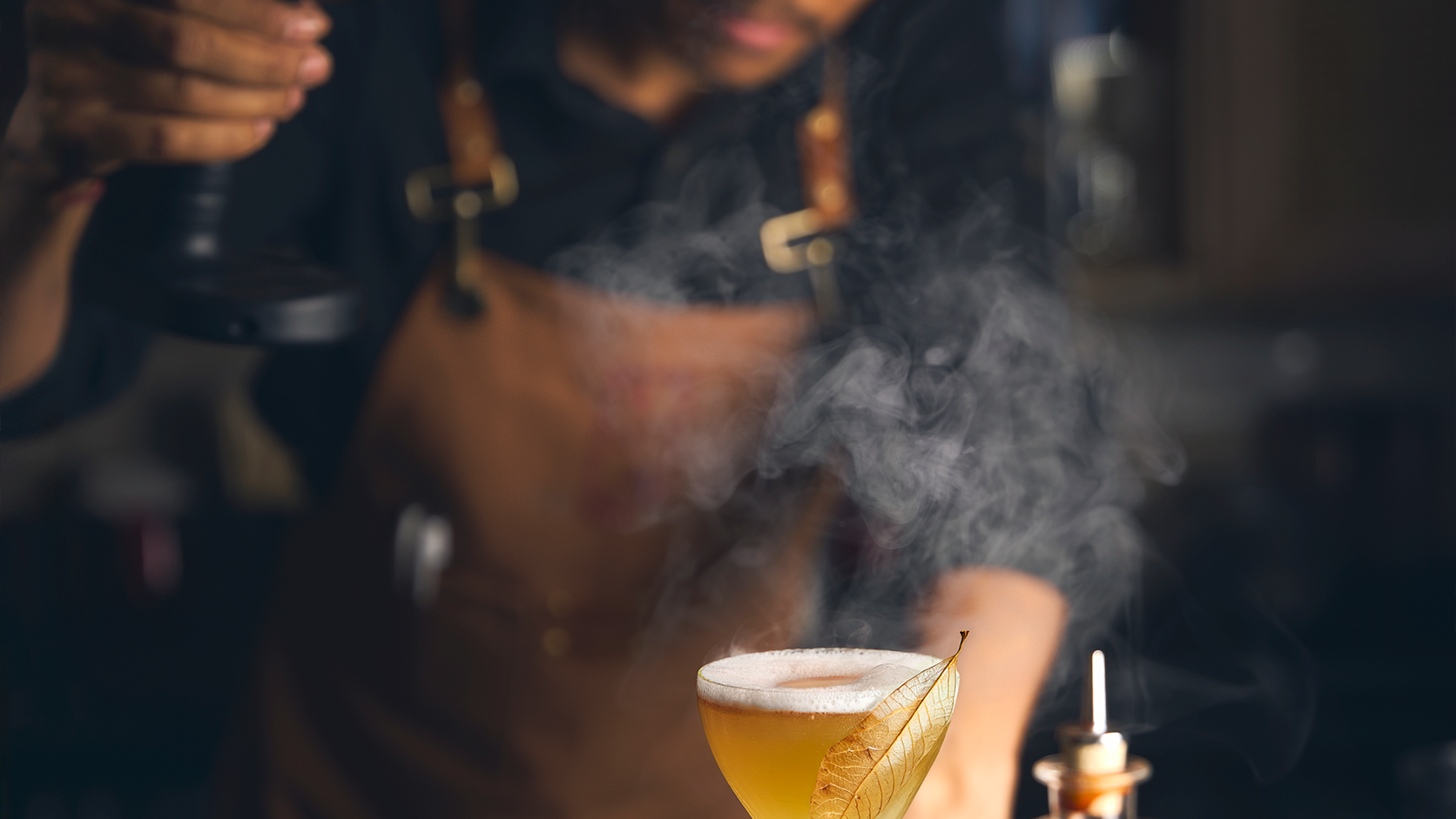
Menu work is where food cost is won or lost. The consultant designs dishes and drinks that fit the concept, writes standard recipes with exact quantities, calculates the cost of every item and sets selling prices. Menu engineering then decides which items to promote, reprice or remove. For bars this includes the cocktail list, pour sizes and batching, which we cover in bar menu engineering for cocktail menus.
5. Kitchen and bar planning
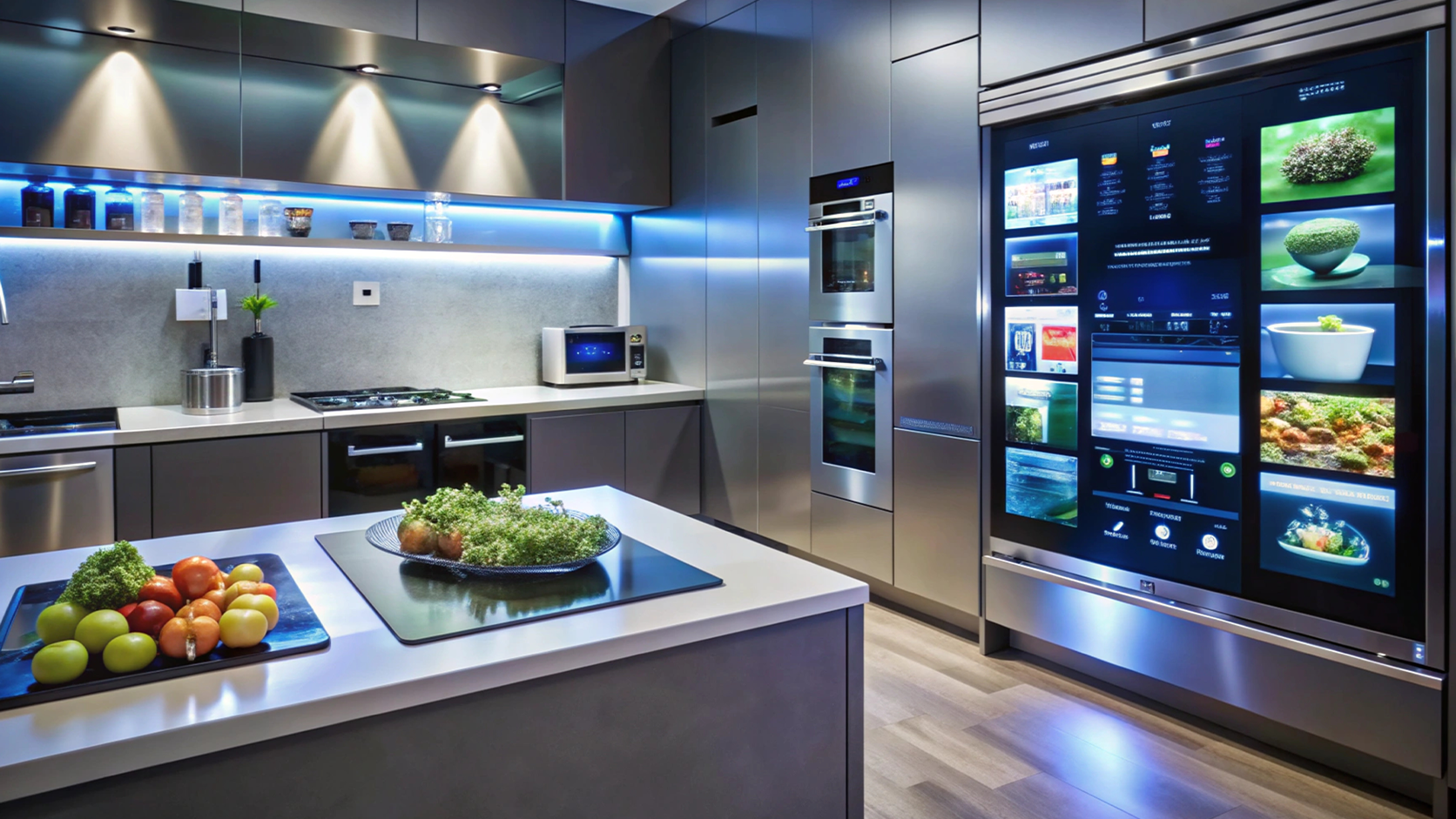
The consultant prepares a layout that follows the flow of food: receiving, storage, prep, cooking, plating, service and dishwashing. They specify equipment by capacity rather than brand preference, which avoids buying machines that are too big, too small or never used. See the restaurant kitchen equipment list for India for a typical starting point.
6. Licences and compliance guidance
Indian outlets need several approvals: FSSAI registration or licence, local trade and health licences, fire safety, signage permissions and, for bars, an excise licence that differs by state. The consultant maps what is needed and in what order so that approvals do not delay opening. Read more in our guides on FSSAI licence for restaurants and state-wise bar licence rules.
7. Hiring, SOPs and training
A consultant defines the organisation chart, writes job descriptions, helps recruit the head chef, bar manager and floor lead, and prepares standard operating procedures (SOPs) for opening, service, closing, hygiene, cash handling and stock. Training is delivered before launch so staff can run a soft opening. Our article on restaurant SOPs and staff training in India explains the documents involved.
8. Vendor and procurement setup
The consultant shortlists suppliers, negotiates rate contracts, sets par levels and designs the ordering process. Good procurement protects margins every single month, long after the consultant has left.
9. Launch and soft opening
Before the public opening, the consultant runs trial services, checks plating, timing and costing against targets, and fixes problems while the stakes are low. Many projects also include a short launch-support period on site.
10. Post-opening operations review
After opening, the consultant reviews actual food cost, wastage, labour cost and sales mix against the plan. Adjustments to menu, pricing and rosters usually follow. This is the stage where margins improve most.
What deliverables should you receive?
A consultant should hand over documents you can own and reuse. Use this list when you compare proposals.
| Stage | Typical deliverable |
|---|---|
| Feasibility | Market study, catchment map, revenue and break-even model |
| Concept | Concept note, brand positioning, target guest profile, average spend |
| Budget | Project budget, equipment budget, working capital plan |
| Menu | Final menu, standard recipe cards, costing sheet, pricing sheet |
| Kitchen and bar | Layout drawings, equipment list with specifications |
| Compliance | Licence checklist and timeline |
| People | Organisation chart, job descriptions, SOP manual, training plan |
| Launch | Trial service report, soft launch checklist |
| Operations | Monthly cost and sales review with action points |
If a proposal does not name written deliverables, ask for them. A fee without deliverables is hard to judge.
When should a restaurant owner hire an F&B consultant?
Not every business needs a consultant at every stage. Hiring pays off most in these situations.
You are opening your first outlet. First-time owners carry the highest risk. The cost of a wrong layout or an over-priced menu is far larger than the consulting fee.
You are launching a new format. A restaurant owner opening a bar, or a hotel adding a cafe, is entering unfamiliar territory.
Your food cost or pour cost is rising. If margins keep shrinking while sales hold steady, there is usually a menu, wastage or purchasing problem that an outside review can find quickly.
Sales are flat after a good start. A menu refresh, pricing review and staff retraining can restart growth.
You plan to scale to multiple outlets. You need documented systems before copying an outlet. Without SOPs, quality drops at the second location.
You manage a hotel outlet that underperforms. Hotel restaurants and bars often depend on in-house guests. A consultant can reposition them for walk-in business and better revenue per cover. See our guide on hotel bar profitability.
If you are simply running a stable outlet that meets its targets, you may not need one. A short audit once a year is usually enough.
Is an F&B consultant different from a chef or restaurant manager?
Yes. A chef runs the kitchen and a manager runs daily service. A consultant works across the whole business for a limited period and focuses on setting up systems and fixing problems.
| Role | Main focus | Time with you |
|---|---|---|
| Executive chef | Food quality, kitchen team, daily production | Permanent |
| Restaurant manager | Service, staff, guest experience, daily numbers | Permanent |
| F&B consultant | Concept, systems, costing, setup, improvement | Project or retainer |
A good consultant works with your chef and manager rather than replacing them. The best projects end with the permanent team fully trained and the consultant no longer needed.
How much does an F&B consultant cost in India?
Fees depend on scope, city and the consultant's track record. Indian trade press has reported that turnkey project fees are commonly quoted at around 5 to 10 percent of total project cost, and that monthly retainers for ongoing support have ranged from about Rs 30,000 to Rs 1.5 lakh. Large hotel projects with experienced consultants have been reported at several lakhs to tens of lakhs.
These are indicative figures, not a price list. The common fee models are:
Fixed project fee for a defined scope such as concept plus menu
Percentage of project cost for turnkey work
Monthly retainer for operations support and training
Hourly or daily rate for audits and short advice
For a fuller breakdown with examples, read our guide to F&B consultant cost in India.
How do you know a consultant is worth it?
Measure results against numbers agreed in advance. Useful measures are:
1. Food and beverage cost percentage against the target in the plan
2. Average spend per guest and covers per day
3. Wastage percentage tracked weekly
4. Labour cost as a share of revenue
5. Time to break even against the original estimate
6. Staff turnover in the first six months
A consultant who sets targets, trains your team to track them and reviews them with you is giving you a system, not just advice.
What mistakes should you avoid when hiring one?
Hiring on price alone. The cheapest proposal often leaves out menu costing or training.
Not defining scope in writing, which leads to disputes over what is included.
Choosing someone with only one cuisine or format when you need broader experience.
Skipping reference checks. Ask to speak with past clients and visit their outlets.
Expecting results without giving the consultant access to your numbers and staff.
Our guide on how to choose an F&B consultant in India lists the questions to ask before signing.
FAQs: What an F&B Consultant Does
Work with The Bar Consultants
Planning a new outlet or fixing an existing one? Talk to The Bar Consultants about your project. We will review your idea, your numbers and your timeline, and tell you honestly what support you need.
Talk to The Bar Consultants