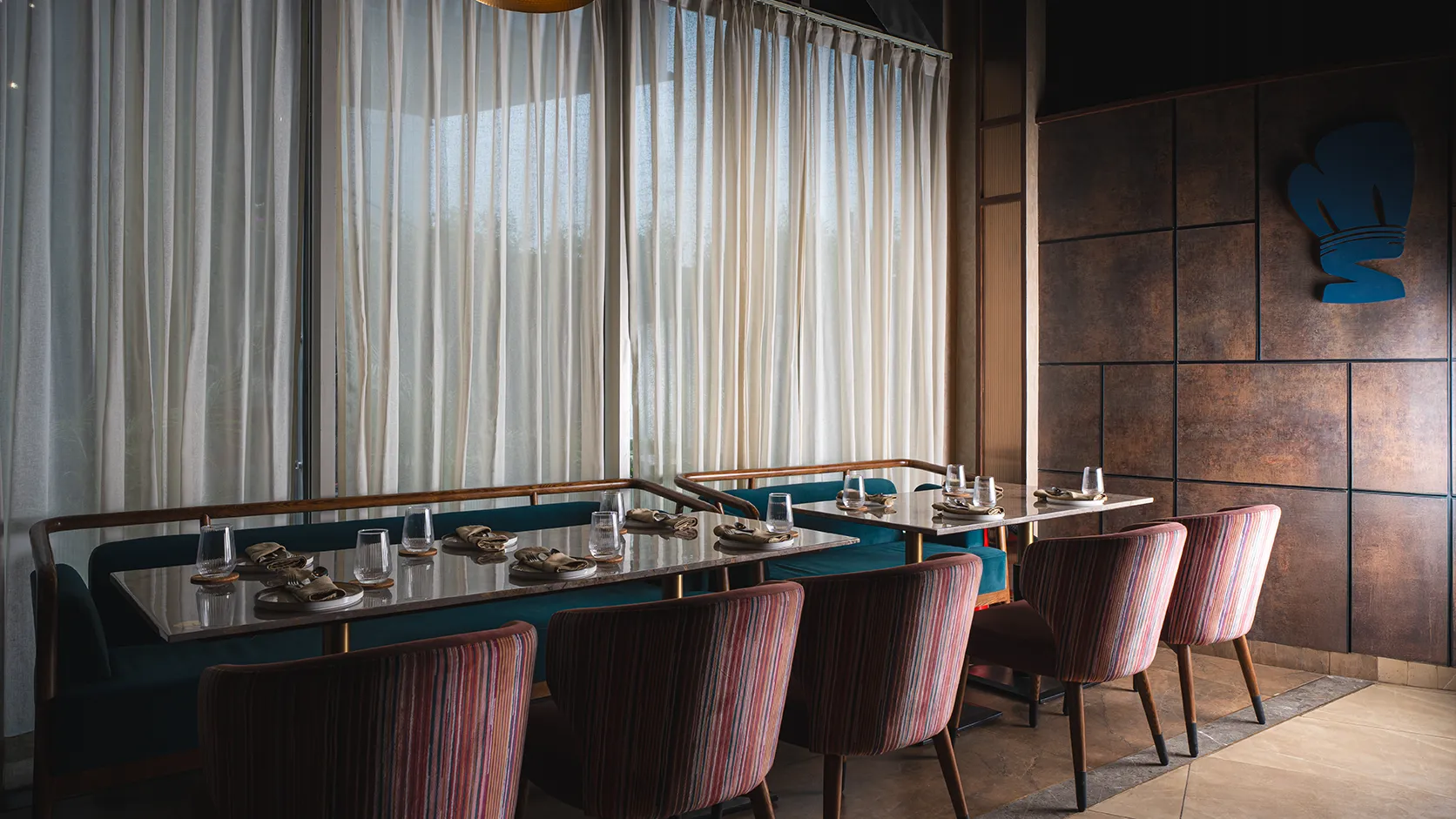
A turnkey restaurant setup is a single-contract project where one firm plans and delivers the outlet from concept to opening: feasibility, design, kitchen, equipment, licences, menu, hiring, training and launch.
Quick Answer: A turnkey restaurant setup is a single-contract project where one firm plans and delivers the outlet from concept to opening: feasibility, design, kitchen, equipment, licences, menu, hiring, training and launch. You receive a ready-to-trade restaurant. Typical projects run four to nine months, and consulting fees are often quoted as a share of project cost.
What is a turnkey restaurant setup?
"Turnkey" means you hand over the project and receive the keys to a working outlet. Instead of hiring a consultant, a designer, a kitchen planner, an equipment dealer and a trainer separately, you sign with one firm that manages or delivers all of them.
The model suits owners who want a single point of responsibility, or who do not have time to coordinate many vendors. It also suits investors who open outlets in cities where they do not live.
Turnkey does not mean hands-off. You still approve the concept, budget, menu and design, and you remain responsible for funding and final decisions. The firm manages the work and the schedule.
What is included in a turnkey F&B project?
Scope differs between firms, so always read the proposal line by line. A full turnkey package normally covers the following.
| Stage | What is included | What you should receive |
|---|---|---|
| Feasibility and concept | Market study, concept, positioning, budget | Feasibility report, concept note |
| Design | Layout, interiors, lighting, branding direction | Drawings, 3D views, finish schedule |
| Kitchen and bar planning | Flow design, equipment specification, utilities | Layout drawings, equipment list |
| Civil and fit-out | Construction, electrical, plumbing, ventilation, furniture | Completed premises |
| Equipment | Sourcing, installation, commissioning | Installed and tested equipment |
| Licences | Guidance or filing for food, fire, local and excise approvals | Licence checklist and approvals |
| Menu and recipes | Menu design, recipe cards, costing and pricing | Final menu, costing sheets |
| Operations | SOPs, vendor setup, POS and inventory setup | SOP manual, supplier list |
| People | Hiring support and pre-opening training | Org chart, training records |
| Launch | Trial runs, soft opening and post-launch review | Trial report, review report |
Two points deserve a close look. First, interiors and civil work are sometimes excluded or handled by a partner under a separate contract. Second, equipment may be quoted at cost plus a margin, which affects how you compare fees.
The full process of how consultants structure launches is explained in our article on how hospitality consultants restructure restaurant launches.
How long does a turnkey restaurant project take in India?
Most projects run from four to nine months. The biggest swing factor is the condition of the site and the speed of approvals.
| Phase | Indicative duration |
|---|---|
| Concept, feasibility and budget | 3 to 6 weeks |
| Design and drawings | 4 to 8 weeks |
| Licences and approvals (runs in parallel) | 4 to 12 weeks |
| Civil work and fit-out | 8 to 16 weeks |
| Equipment delivery and installation | 4 to 8 weeks |
| Hiring and training (runs in parallel) | 3 to 6 weeks |
| Trial runs and soft launch | 2 to 3 weeks |
Delays usually come from four places: late approvals, changes to the design after work starts, equipment lead times and slow owner decisions. A good project manager lists dependencies at the start and tells you which decisions on your side hold up the schedule.
How are turnkey fees and capex structured?
There are two separate money flows, and many owners confuse them.
1. Consulting or project management fee. What you pay the firm for planning and managing.
2. Capital expenditure (capex). What you pay for construction, equipment, furniture, deposits and licences. These go to contractors and suppliers, either directly or through the firm.
Trade press has reported that turnkey consulting fees are commonly quoted at about 5 to 10 percent of total project cost, depending on scope. A fixed fee or a mix of fixed and percentage is also common. These figures are indicative and change with scope, city and the firm's experience.
Illustrative budget view
The split below is an example for understanding structure, not a benchmark. Actual shares change with format, site and finish quality.
| Budget head | What it covers |
|---|---|
| Civil and interiors | Construction, finishes, furniture, lighting |
| Kitchen and bar equipment | Cooking, cold storage, bar, dishwashing, utilities |
| Licences and compliance | Registrations, fees, safety installations |
| Branding and technology | Signage, POS, music system, website |
| Pre-opening | Hiring, training, trial runs, initial stock |
| Consulting fee | Percentage or fixed project fee |
| Working capital | Rent, salaries and costs until break-even |
| Contingency | A reserve for overruns, often 5 to 10 percent |
Never forget working capital and contingency. A project that spends the whole budget on construction has no cushion for the first months of trading. Our guide to cafe setup cost in India shows how these heads add up for a smaller format, and our restaurant business plan guide shows how to turn them into a financial plan.
Turnkey vs hiring separate vendors: which is better?
| Point | Turnkey | Separate vendors |
|---|---|---|
| Responsibility | One firm | You coordinate every vendor |
| Speed | Usually faster with one schedule | Often slower due to hand-offs |
| Cost control | Depends on contract and transparency | You negotiate each item |
| Flexibility | Less, once scope is fixed | More, you can change vendors |
| Your time needed | Lower | High |
| Risk | Firm quality and contract terms | Coordination gaps and blame between vendors |
Turnkey works best when you value time and single accountability. Separate vendors work best when you have a strong project manager of your own and want to control each purchase.
A hybrid approach is common: hire a consultant for concept, menu, kitchen design and operations, and choose your own contractor for civil work. You keep price control on construction while the consultant protects the operational design.
What should you check in a turnkey contract?
A contract protects both sides when it is specific. Check these items before you sign.
Scope and exclusions listed in plain language
Fixed or capped price for each phase, with a process for approved changes
Payment schedule tied to milestones, not only to dates
Timeline with penalties or remedies for avoidable delays
Equipment specifications with brands, models and warranty terms
Disclosure of margins and commissions on equipment and materials
Ownership of drawings and documents after payment
Handover checklist including training and a snag list
Post-launch support period and what it includes
Exit terms if either side wants to stop
If a firm resists putting these points in writing, treat that as a warning.
What mistakes do owners make with turnkey projects?
Choosing on the lowest fee. A cheap proposal often leaves out training, SOPs or equipment installation.
Skipping the kitchen design review. Poor flow raises labour costs for years.
Treating equipment the same everywhere. Capacity, build quality and service support differ widely. See our restaurant kitchen equipment list for India for what to specify.
Underestimating licence time. Opening late means paying rent with no income. Read about FSSAI licence for restaurants and state-wise bar licence rules early.
Leaving training to the last week. Staff need weeks, not days. Our guide on restaurant SOPs and staff training in India explains what should be ready before opening.
No contingency. Almost every project meets a surprise.
Is turnkey right for a bar?
Bars add licence, design and beverage planning on top of a normal restaurant project: back bar layout, ice and glass handling, pour control, excise approvals and a drinks programme. If you are opening a bar, check that the turnkey firm has bar projects, not only restaurants. Our guide to setting up a bar in India lists the steps involved.
How to compare turnkey proposals
1. Line up scope. Create one table with each stage and tick what each proposal includes.
2. Separate fee from capex. Compare consulting fees on the same basis.
3. Ask who does what. Identify which parts are done in-house and which are subcontracted.
4. Check recent projects. Visit at least one outlet delivered in the last two years.
5. Ask about post-launch support. Look for a defined period and clear deliverables.
6. Cross-check with a consultant fee guide. Our article on F&B consultant cost in India gives context for comparing quotes.
FAQs: Turnkey Restaurant Setup in India
Talk to The Bar Consultants
Planning a new outlet and unsure whether turnkey fits? Contact The Bar Consultants for a scope outline and a straight answer on the best model for your project.
Talk to The Bar Consultants