Hospitality consulting services in India cover concept development, feasibility, menu and recipe design, kitchen and bar planning, operations and SOPs, training, hiring, financial planning and post-launch reviews.
Quick Answer: Hospitality consulting services in India cover concept development, feasibility, menu and recipe design, kitchen and bar planning, operations and SOPs, training, hiring, financial planning and post-launch reviews. They help restaurants, cafes, bars and hotels open correctly, control costs and grow profitably.
What are hospitality consulting services?
Hospitality consulting services are professional advice and hands-on project support for businesses in food, beverage and hotels. A consultant works with owners, chefs and managers to plan, build, launch and improve an outlet. The work is delivered as documents, designs, trained people and working systems.
In India the field has grown with new formats such as microbreweries, cloud kitchens, rooftop bars and experience-led restaurants. Many founders arrive from other industries and need help across the whole project. Others already run an outlet and need help with margins, menu or training.
The six service areas below cover what most firms offer. Not every project needs all six, and a good consultant will tell you which to skip.
What services does an F&B consulting firm offer in India?
1. Concept development and feasibility
One line: decides what to build, for whom and whether it can make money.
This stage tests the idea before large spending. It covers market research, catchment study, competitor mapping, positioning, brand direction and a first financial model. A feasibility study tells you if rent, covers and prices can support a profit. See our guide on the restaurant business plan for India for how the financial side is structured.
2. Menu and recipe development
One line: designs food and drinks that match the concept and protect margins.
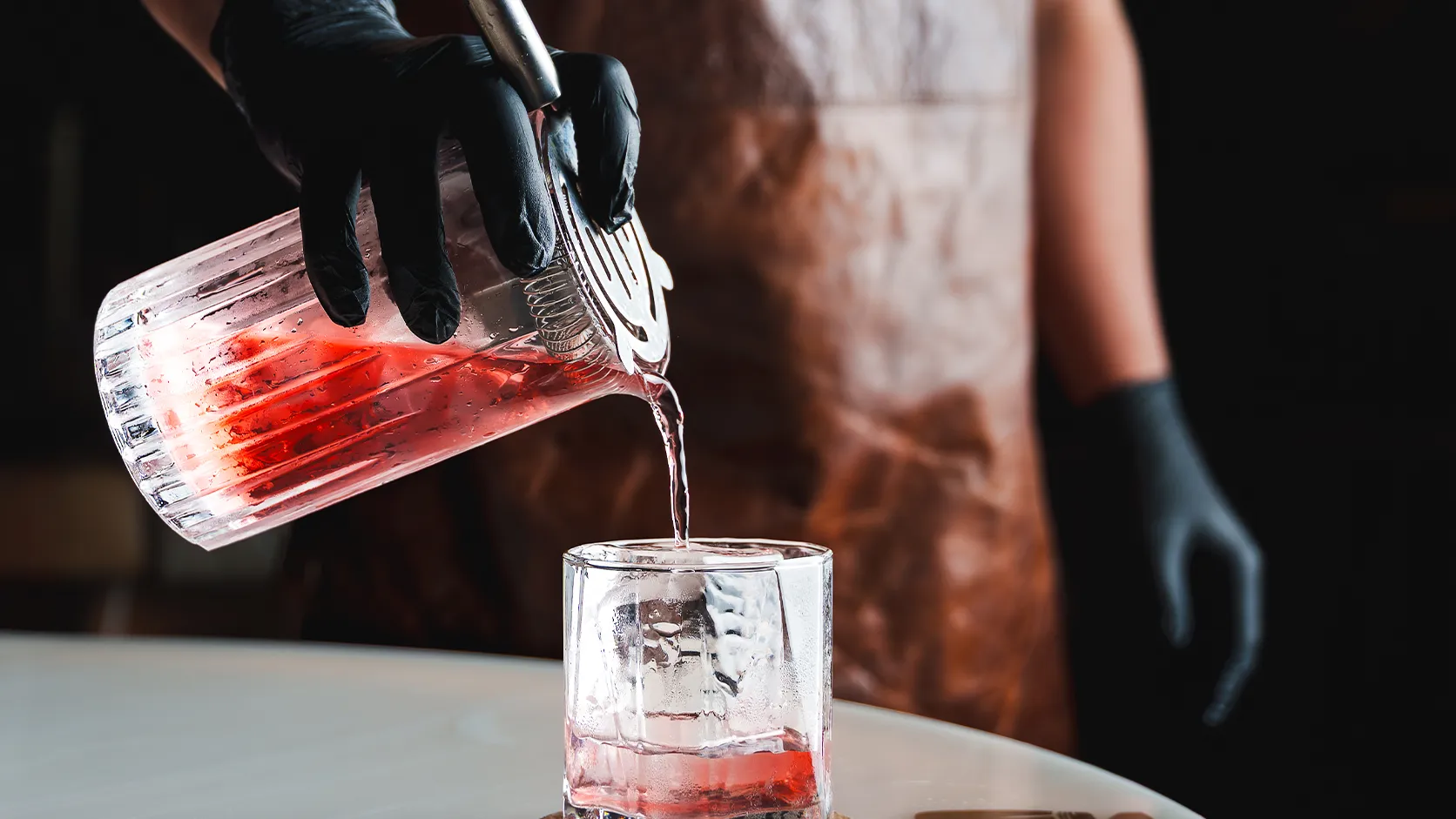
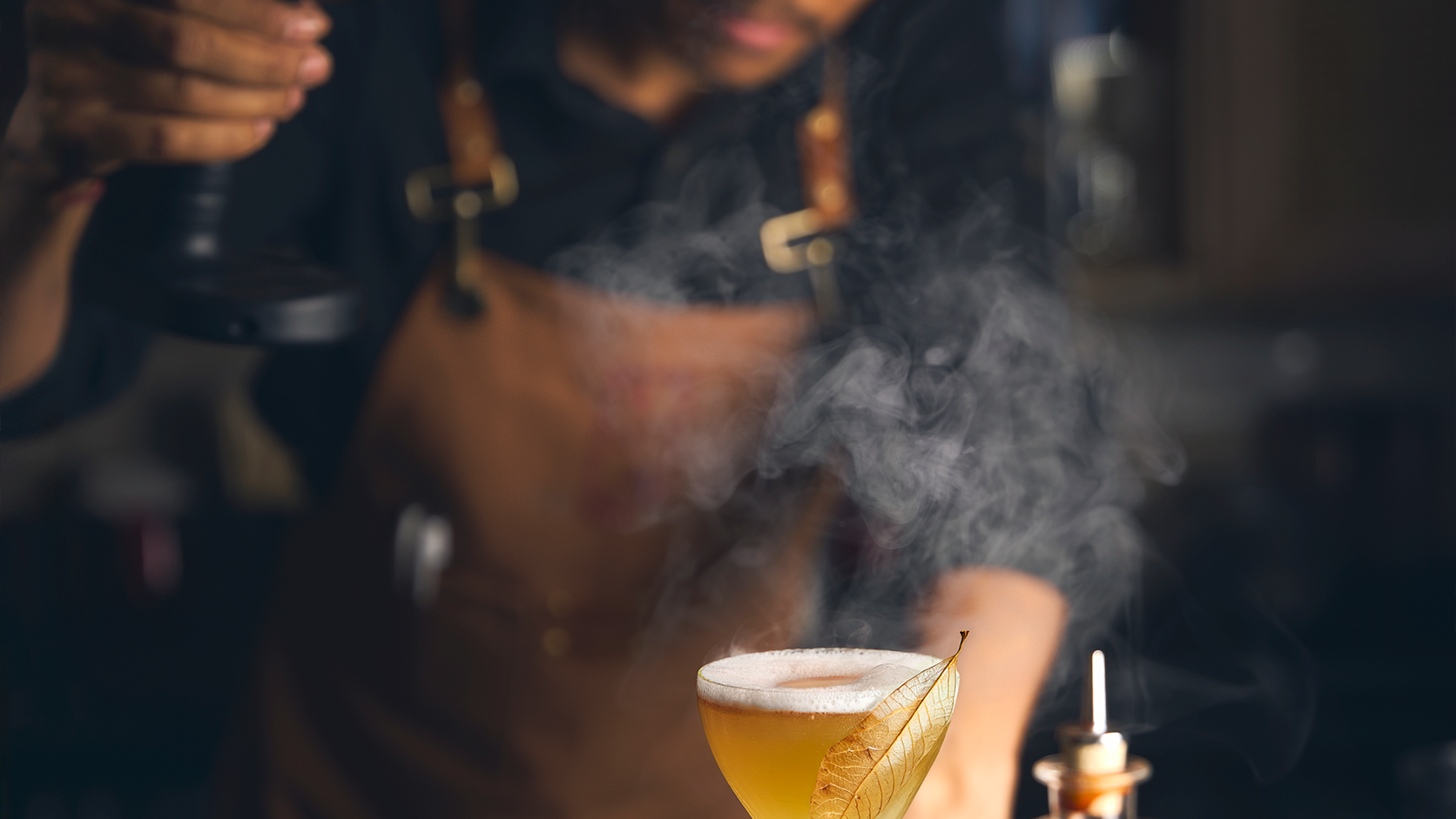
The consultant creates dishes and drinks, writes standard recipes, calculates cost per portion and sets prices. Menu engineering then identifies items to promote, reprice or remove. For bars, this includes the cocktail programme and pour specifications, which we cover in bar menu engineering for cocktail menus.
3. Kitchen and bar planning
One line: lays out the back of house so food and drinks flow quickly and safely.
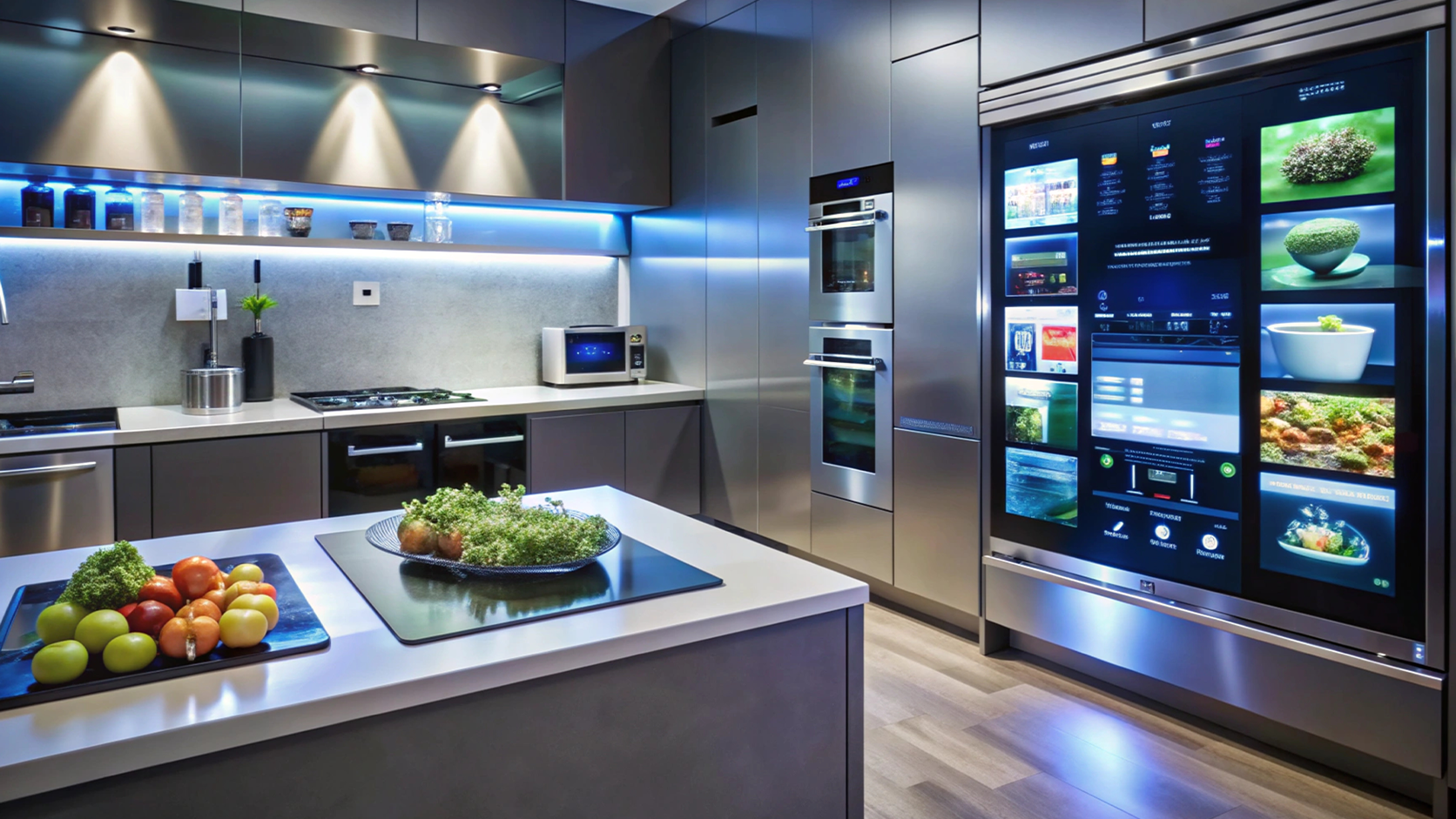
This includes the flow from receiving to service, equipment specification, ventilation and utility needs, storage and dishwashing. Good planning prevents over-buying and keeps service speed high. Our restaurant kitchen equipment list for India shows the typical items to plan for.
4. Operations setup and SOPs
One line: writes the procedures that make every shift run the same way.
SOPs cover opening and closing, service steps, hygiene, cash handling, stock control and complaint handling. A manual alone is not enough. It should come with checklists, forms and training so staff actually follow it. Read more in our guide to restaurant SOPs and staff training in India.
5. Recruitment and training
One line: finds and prepares the people who will run the outlet.
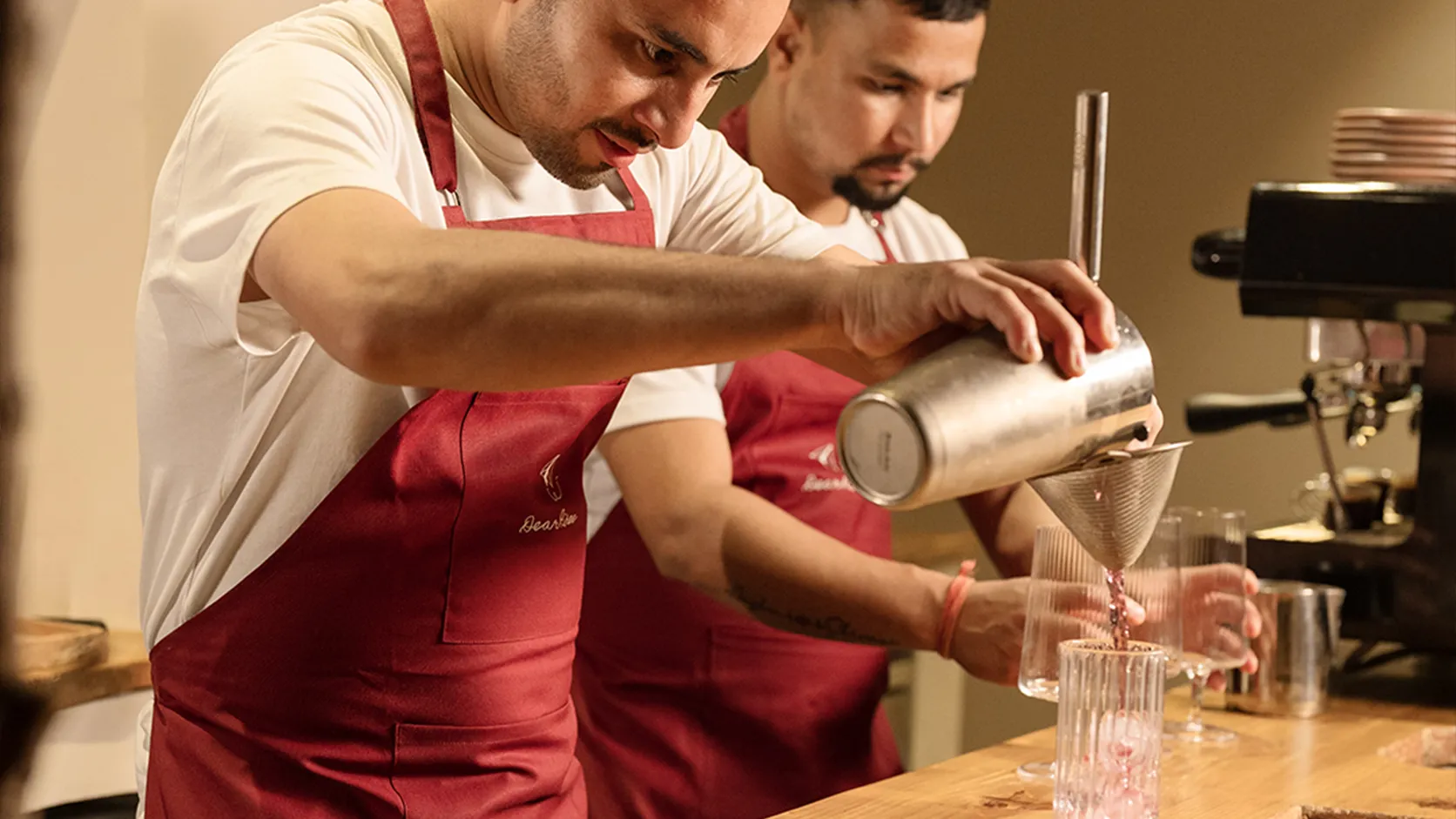
The consultant defines roles, helps hire the key team and delivers training before opening. For bars this includes bartender training on pour control, drink specifications and speed. Training continues after launch through refreshers and performance reviews.
6. Financial advisory and cost control
One line: keeps food cost, pour cost, labour and rent within targets.
The consultant builds budgets, sets cost targets, trains managers to track numbers weekly and reviews results after opening. This is the area where many outlets recover lost margin. Our article on restaurant profit margins in India explains the benchmarks to compare against.
Which services do you need at each stage?
| Your stage | Services to prioritise | Typical output |
|---|---|---|
| Only an idea | Concept, feasibility, budget | Concept note, financial model |
| Site chosen | Kitchen and bar planning, licences, menu | Layout, equipment list, costed menu |
| Under fit-out | Recruitment, SOPs, training plan | Org chart, SOP manual, hiring plan |
| Pre-launch | Trial runs, soft opening, training | Trial report, launch checklist |
| Already trading, margins falling | Cost audit, menu engineering, retraining | Cost review, new pricing, action plan |
| Hotel outlet underperforming | Repositioning, menu and revenue review | New concept, KPI dashboard |
Do I need a consultant for a small cafe?
Not always, but a short engagement often pays for itself. A small cafe runs on thin margins and a limited menu. A wrong decision on equipment, rent or pricing can sink it. A focused project covering feasibility, menu costing and equipment specification may be enough, rather than a full turnkey package. Our guide to cafe setup cost in India shows where budgets usually go off track and where a consultant adds value.
How do hospitality consulting engagements work?
Most projects follow five steps.
1. Discovery call. The consultant asks about your idea, budget, timeline and experience.
2. Proposal. You receive scope, deliverables, timeline and fees in writing.
3. Project work. The team studies the market, designs the concept, builds the menu and plans the kitchen and bar.
4. Implementation support. Hiring, SOPs, training and trial runs happen alongside fit-out.
5. Launch and review. The consultant supports the opening and reviews performance after 30 to 90 days.
You can see how this looks in practice in our article on how hospitality consultants restructure restaurant launches.
What do hospitality consulting services cost in India?
Fees depend on scope, city and the consultant's experience. Indian trade press has reported turnkey fees quoted at about 5 to 10 percent of project cost and retainers from roughly Rs 30,000 to Rs 1.5 lakh a month. Larger hotel mandates have been reported at much higher fees.
| Service | Common fee model |
|---|---|
| Concept and feasibility | Fixed fee |
| Menu and recipe development | Fixed fee or per menu |
| Kitchen and bar planning | Fixed fee or part of turnkey |
| Operations and SOPs | Fixed fee |
| Training | Per programme or monthly retainer |
| Cost control and review | Retainer or audit fee |
| Turnkey project | Percentage of project cost |
A full breakdown with examples is in our guide to F&B consultant cost in India.
How are hotels different from standalone restaurants?
Hotels need extra planning because several outlets share space, staff and brand rules. Typical hotel work includes repositioning a restaurant to attract outside guests, redesigning a bar for evening revenue, building a banquet menu and setting KPIs for revenue per cover. The numbers behind a hotel bar are explained in our article on hotel bar profitability.
If you manage a hotel, look for consultants with recent hotel outlet projects and ask how they work with the general manager and head chef.
What results should you expect?
A good engagement produces measurable outcomes agreed at the start. Examples of targets include:
Food cost and pour cost within the target range after 60 to 90 days
Opening on the planned date, or within a stated tolerance
Break-even reached close to the plan
Staff turnover held below a set level in the first six months
Average spend or covers increased after menu changes
No consultant can guarantee results, because outcomes depend on location, execution and market conditions. What they can guarantee is a clear plan, tested systems and trained people.
How to pick the right services for your budget
1. Start with the biggest risk. If it is concept, begin with feasibility. If it is cost, begin with menu costing.
2. Buy phases, not packages. Ask whether the project can be split so you can review progress between phases.
3. Insist on deliverables. Every service should produce a document or system you own.
4. Plan for training. Systems fail without trained staff.
5. Keep a review budget. A 60 or 90 day review often delivers the largest gains.
FAQs: Hospitality Consulting Services in India
Talk to The Bar Consultants
Want a clear scope for your project? Contact The Bar Consultants and we will map the services to your stage, budget and timeline.
Talk to The Bar Consultants