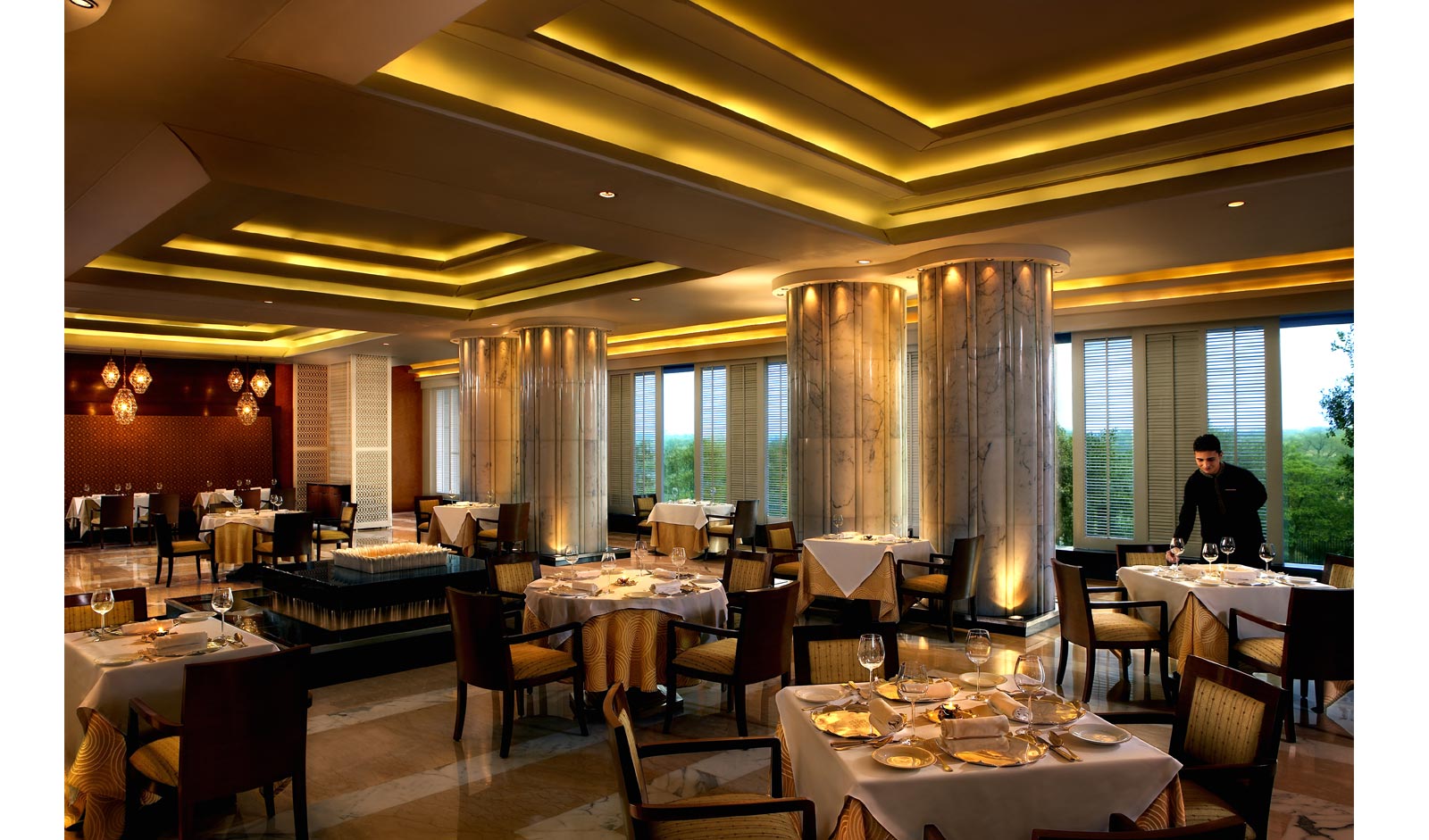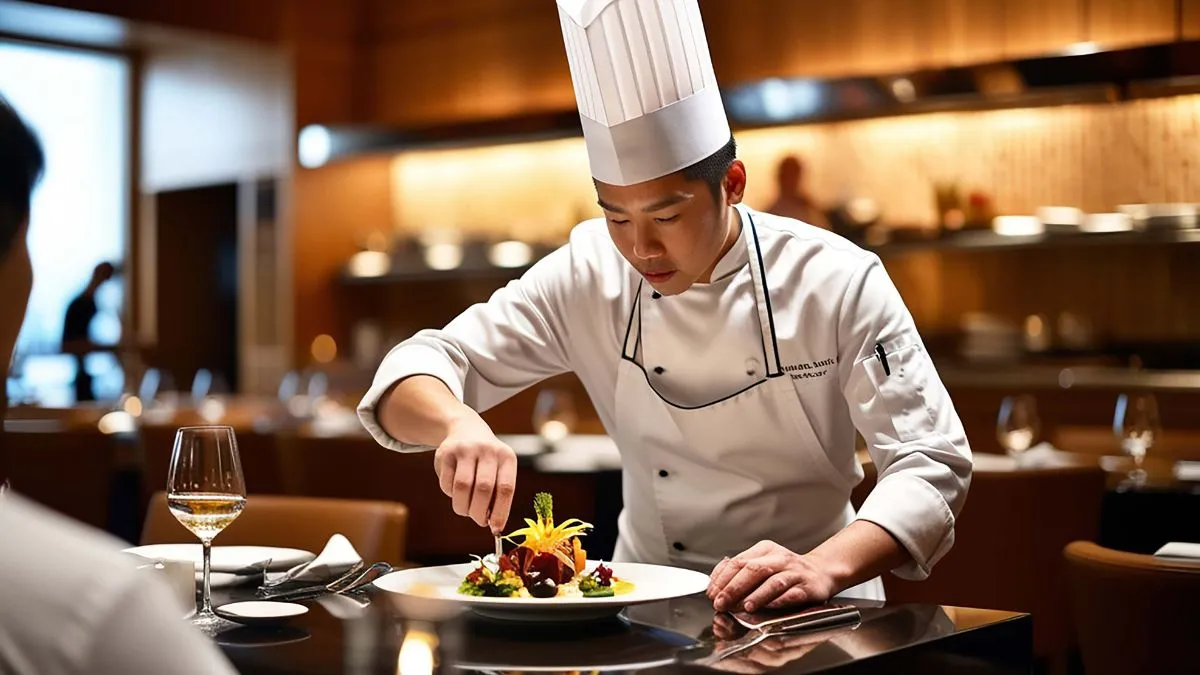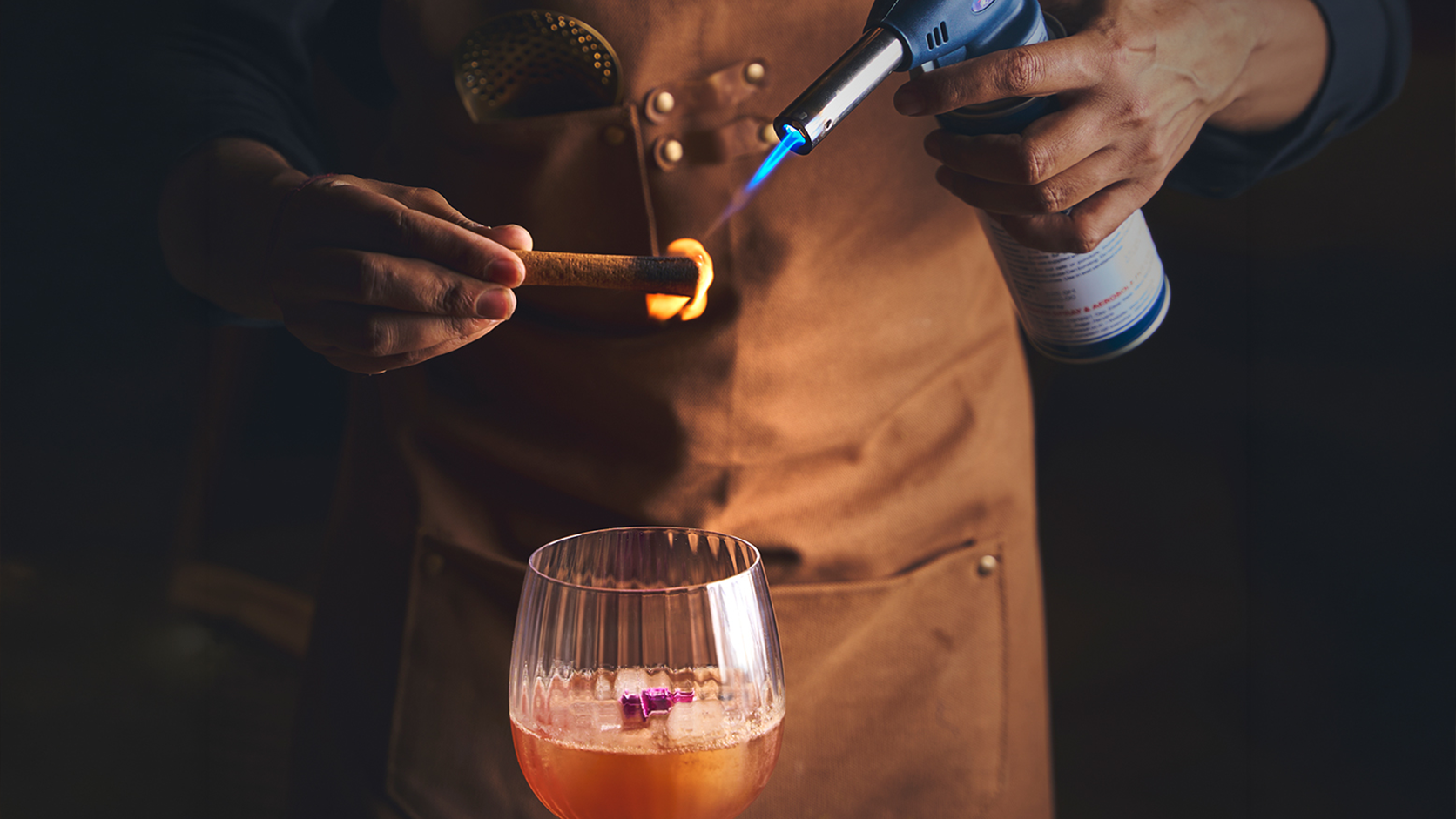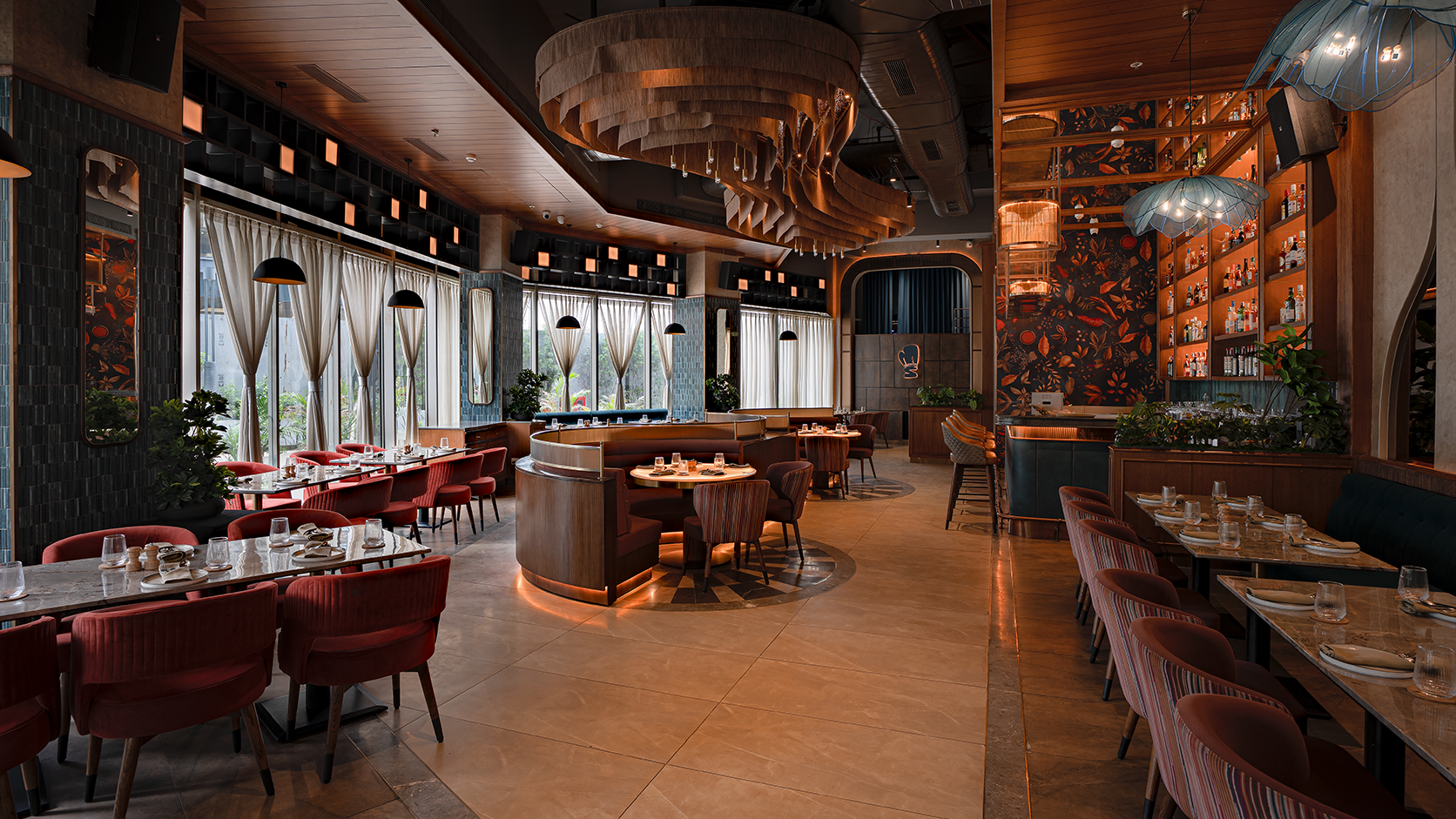
Restaurant concept development is the process of defining who you serve, what you offer, how you position the brand and how the space, menu and service fit together.
Quick Answer: Restaurant concept development is the process of defining who you serve, what you offer, how you position the brand and how the space, menu and service fit together. Follow ten steps: guest, gap, positioning, offer, menu, design, service, brand, numbers and test. A strong concept is specific, profitable and repeatable.
What is restaurant concept development?
A restaurant concept is the complete idea of the outlet: the guest it serves, the food and drinks it offers, the price level, the atmosphere, the service style and the brand personality. Concept development is the work of shaping that idea until every part supports the others and the numbers add up.
A weak concept is vague: "multi-cuisine restaurant with good food and good ambience." A strong concept is specific: "a 50-seat all-day Italian cafe for office workers and families in Sector 29, with a Rs 700 average spend, a short menu and an evening wine and spritz programme." The second can be designed, costed, staffed and marketed. The first cannot.
Indian dining is shifting toward experience, specialisation and strong identity, as we discuss in our article on experience-led hospitality in F&B brands and the evolution of India's dining culture over the next decade. A clear concept is how a new outlet stands out in a crowded market.
How do you develop a restaurant concept? The 10 steps
Step 1: Define your target guest
Start with people, not cuisine. Describe one main guest in detail.
Age range and lifestyle
Where they live or work
Why they eat out: work lunch, family time, dates, celebrations, quick coffee
What they spend and how often
What frustrates them about existing options
If you cannot describe your guest in a paragraph, the concept is still unclear.
Step 2: Find the gap in the market
Map restaurants, cafes and bars within 1 to 3 km. Note cuisine, price, style and busy hours. Then look for a gap: a guest not well served, a time of day that is empty, a price level missing or a style that nobody does well. A gap is only useful if enough people want what you will offer. Test this with simple conversations and by visiting competitors at different times.
Step 3: Choose your positioning
Positioning is one clear sentence that tells guests why to choose you.
Template: "For [guest] who want [need], we are the [category] that [main benefit], unlike [alternative]."
Example: "For young professionals who want a relaxed after-work drink with serious cocktails, we are the neighbourhood bar that serves craft drinks without fine-dining formality, unlike hotel lounges."
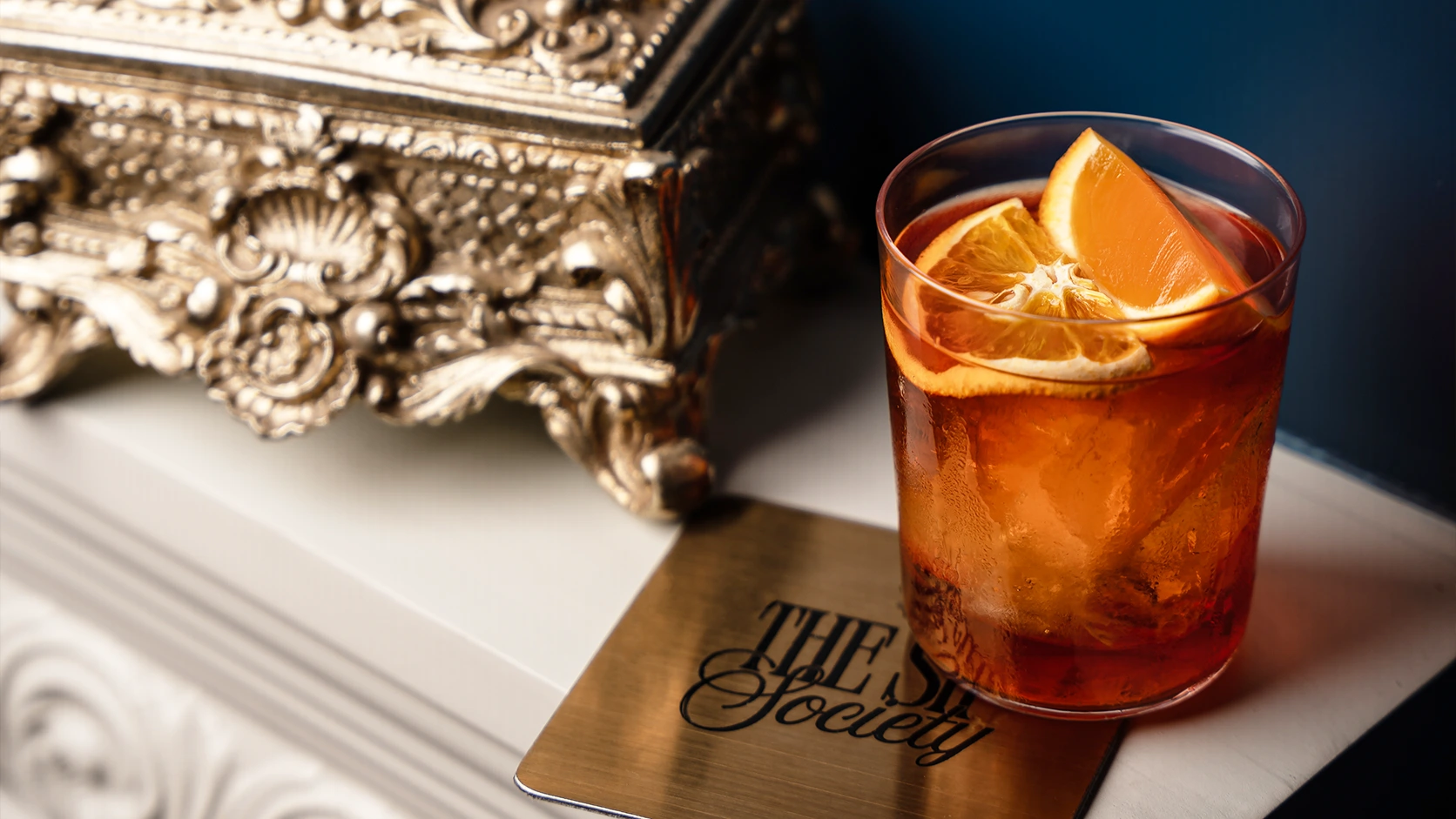
Specific positioning guides every later decision. Our case study on The Sip Society and its cocktail following shows how a clear drinks identity builds a loyal audience.
Step 4: Decide the offer and format
Choose the format that fits the guest and gap: cafe, casual dining, fine dining, bar, lounge, quick service, cloud kitchen or a hybrid. Each format has different economics, space needs and staffing. If you are weighing delivery against a dine-in outlet, read our comparison of cloud kitchen vs dine-in restaurant in India. If a bar is part of the idea, see how to set up a bar in India.
Step 5: Design the menu concept
The menu must support the positioning and the numbers. Decide:
Number of items, usually shorter than first-time owners expect
Signature dishes and drinks that guests will talk about
Price ladder from entry-level to premium
Dishes that share ingredients to reduce waste
How the menu works for both the kitchen and the bar
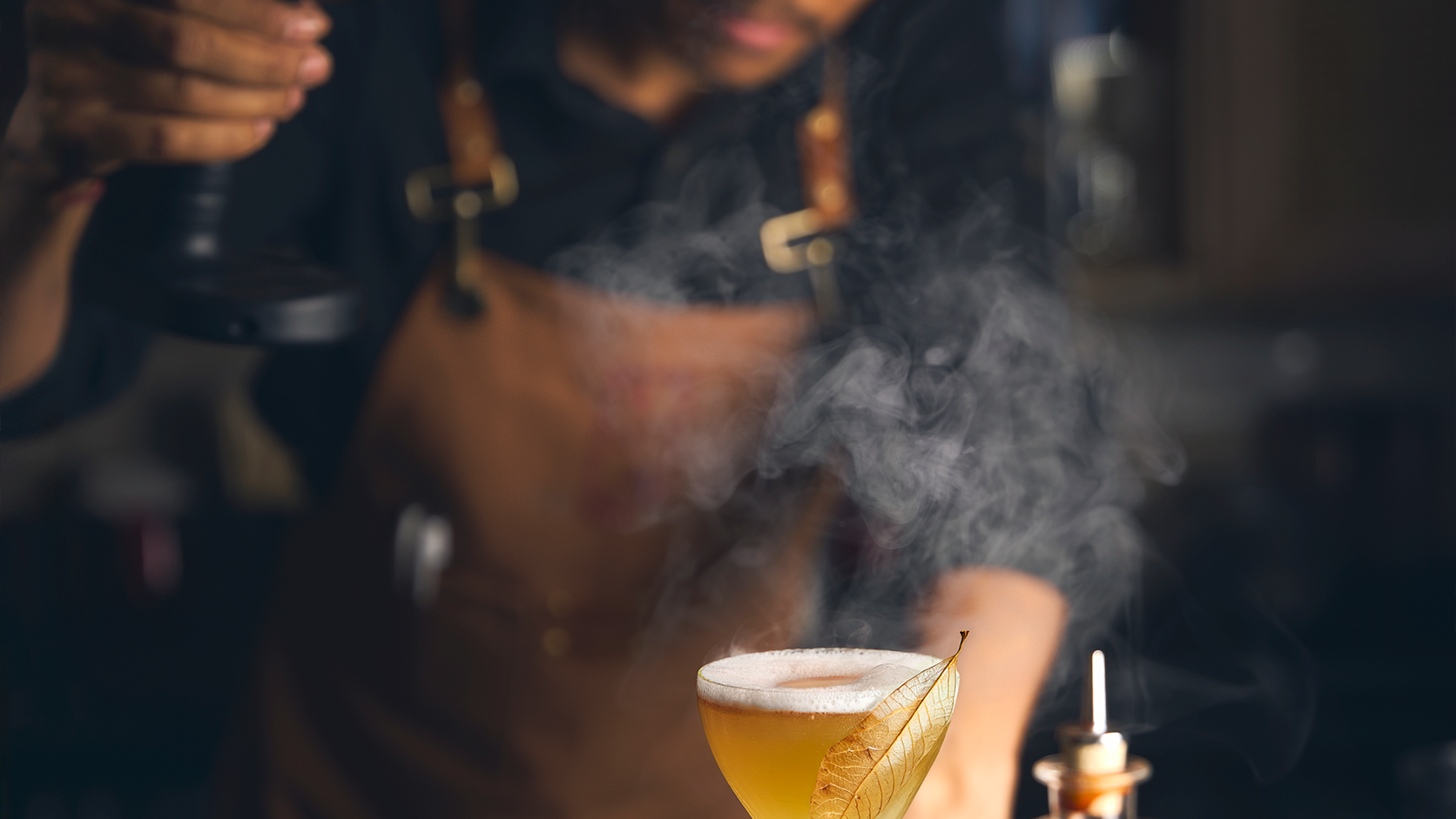
For drinks-led concepts, apply the same thinking used in bar menu engineering for cocktail menus.
Step 6: Shape the space and experience
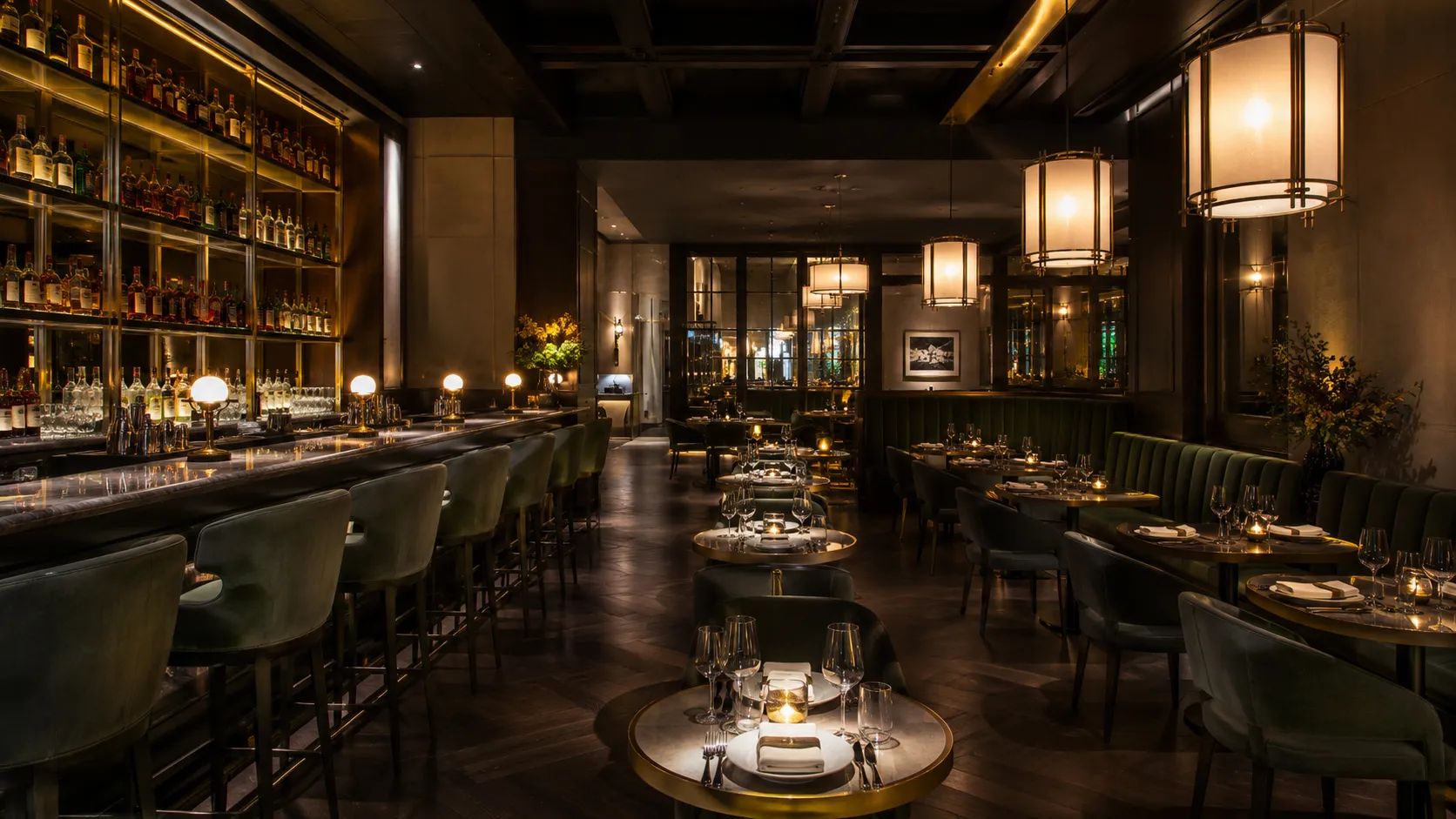
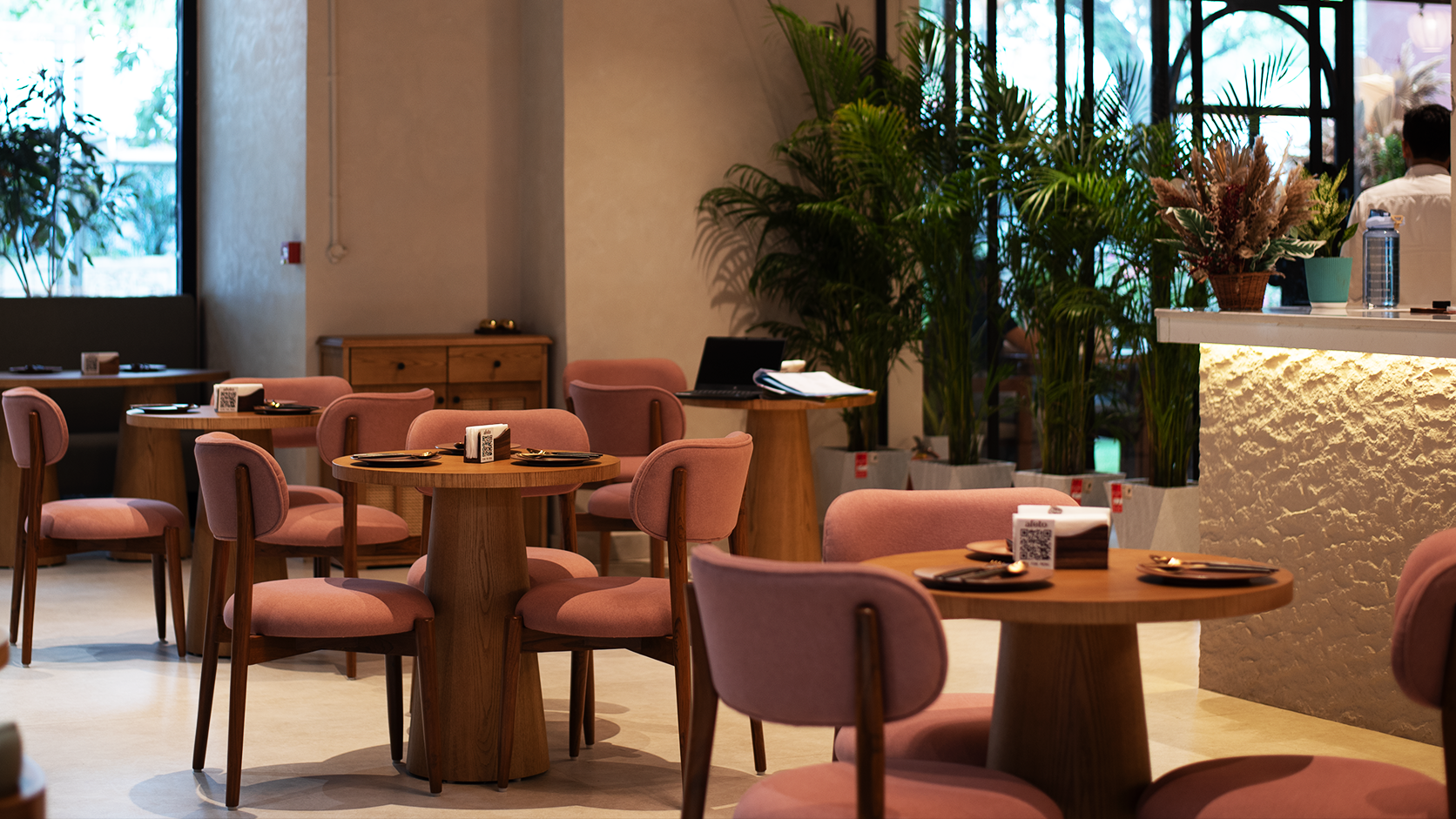
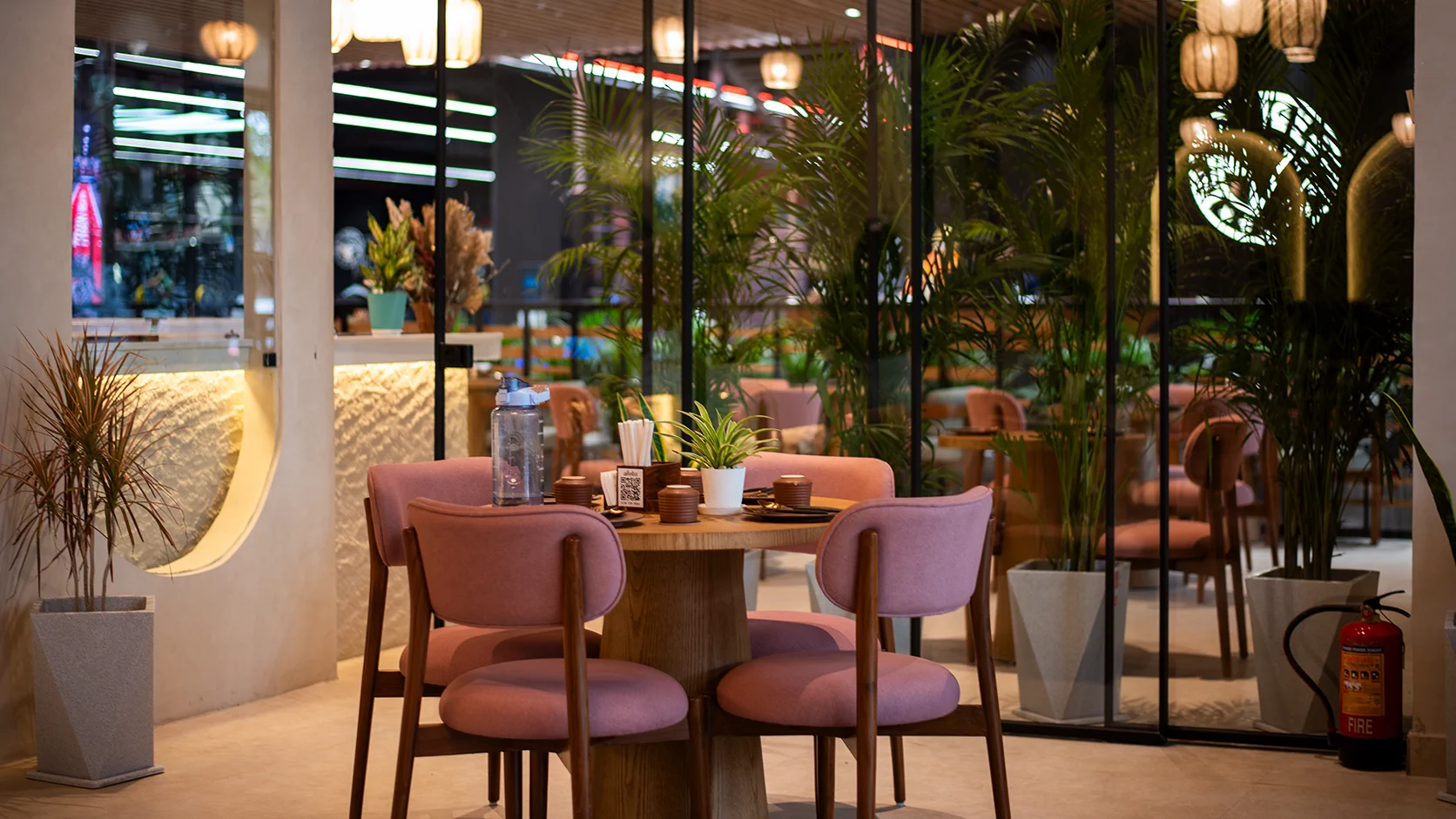
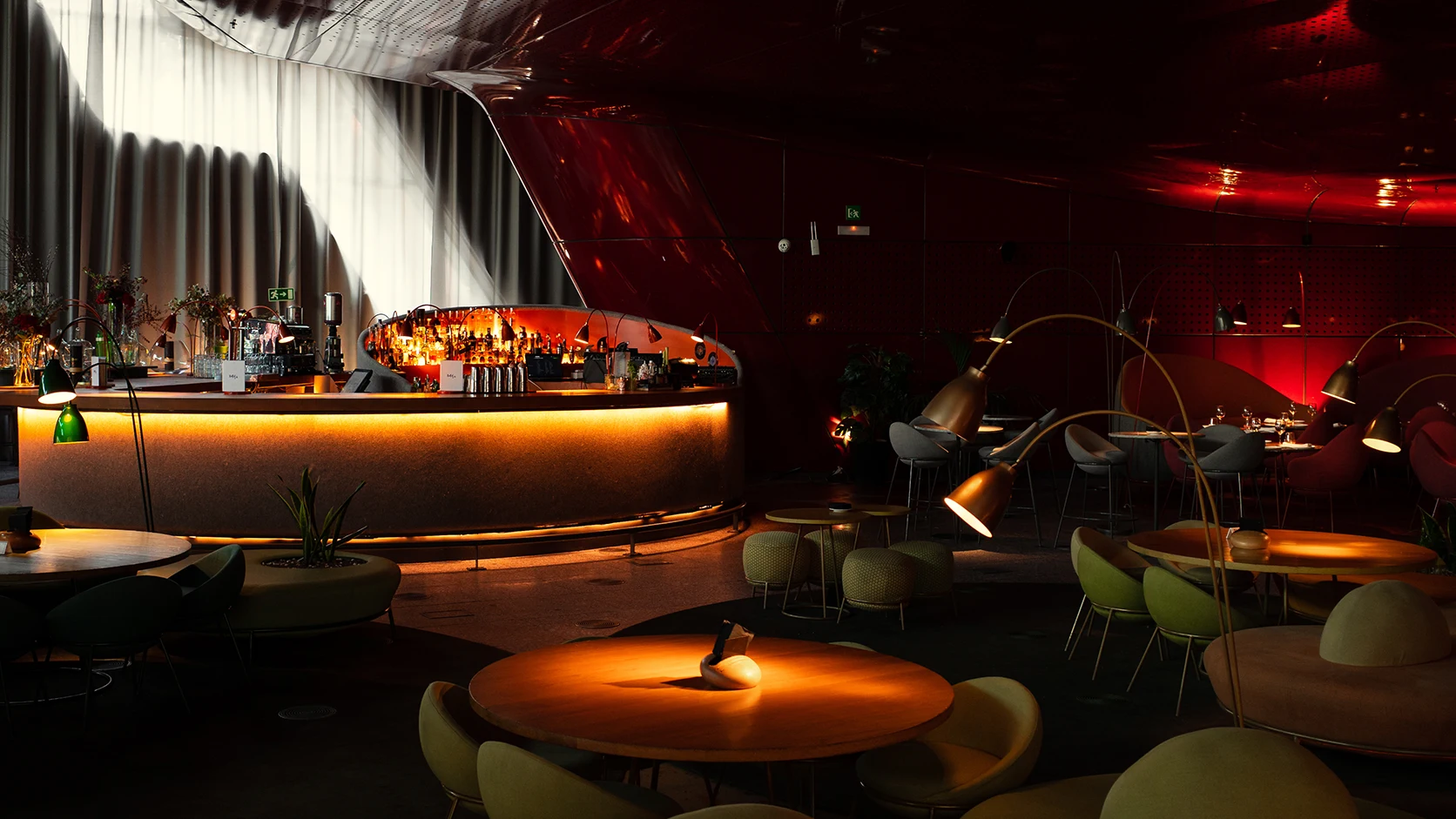
The design should serve the concept, not the other way round. Decide seating mix, lighting, music, layout flow, visibility from the street and photographic moments. Trends change, but identity lasts. Review current design directions in our articles on restaurant interior design trends in India and the quiet luxury design trend in Indian bars before you brief a designer, then choose what fits your guest, not what is fashionable.
Step 7: Plan the service model
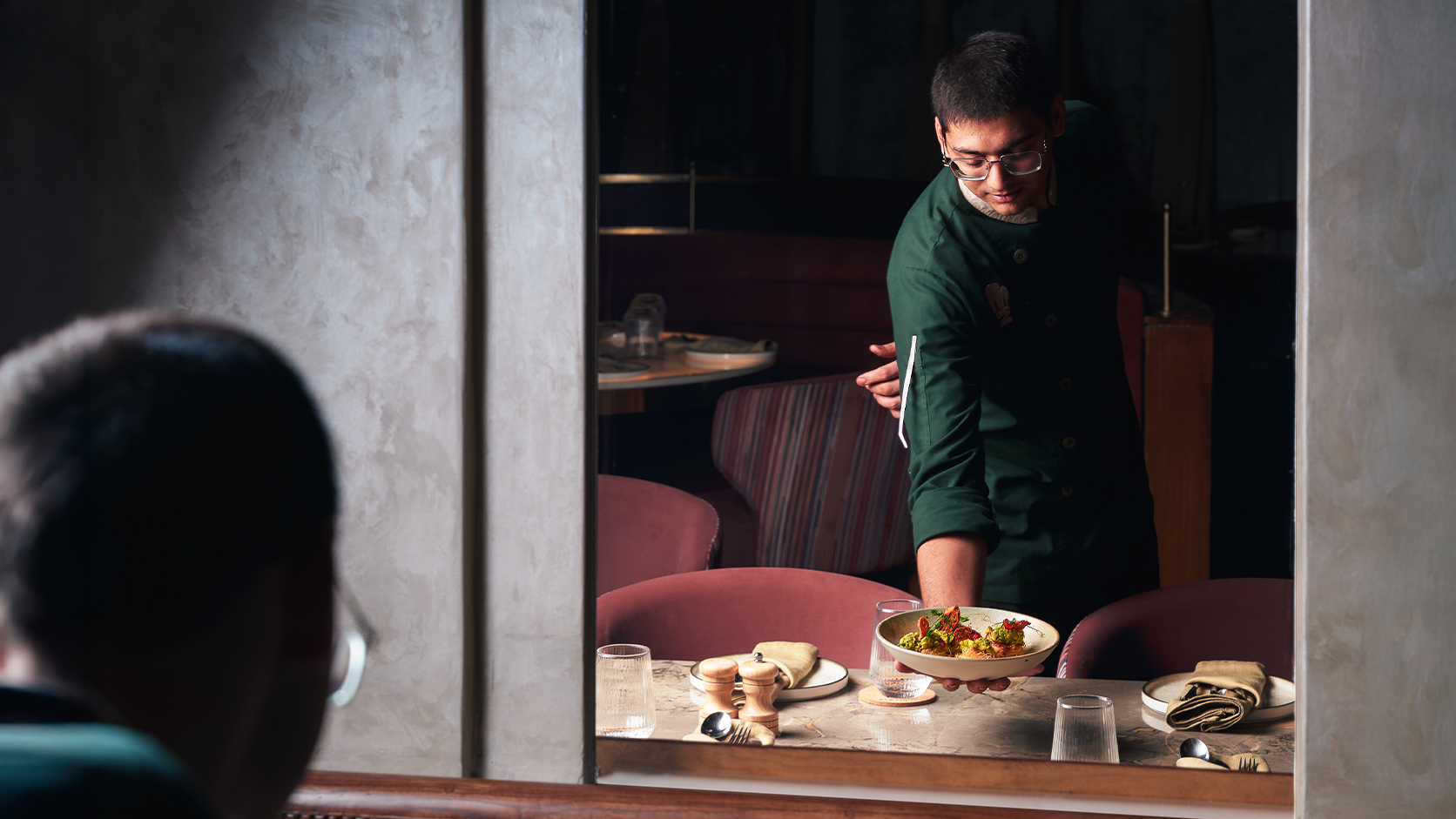
Decide how guests are served: counter, table service, self-service, tasting format or a mix. Service style affects staff numbers, training, speed and spend per guest. A counter cafe may need fewer staff than a table-service restaurant but needs faster ordering and payment systems.
Step 8: Build the brand
Brand is how the concept looks, sounds and feels. It includes:
Name that is easy to say, spell and search
Logo and colours that work on signage, menus and social media
Tone of voice for menus, staff and online posts
Story in one or two lines guests can repeat
Online presence with a Google Business Profile, Instagram and a simple website
Make sure the name is available as a trademark and as a social media handle before you commit. Marketing ideas that fit different concepts are covered in our guide to restaurant marketing ideas in India.
Step 9: Test the numbers
A concept that guests love but that loses money is not a concept; it is a hobby. Build a simple model with covers per day, average spend, food and drink cost, labour, rent and other costs. Calculate break-even and payback. Our restaurant business plan guide for India shows how to structure the model. If the numbers fail, change the concept: reduce menu size, raise average spend, change format or choose a cheaper site.
Step 10: Test with real guests
Before you spend on the full fit-out, test the idea.
Run a pop-up or tasting evening
Offer sample dishes to people in your target group
Ask for specific feedback on taste, price, name and look
Track what they order, what they leave and what they ask for
Adjust the menu and positioning
Testing costs little compared with fixing a failed launch.
Concept development checklist
| Question | Answer clearly before you proceed |
|---|---|
| Who is the main guest? | One-paragraph description |
| What gap are we filling? | Evidence from your own field visits |
| What is our positioning sentence? | One line |
| What format and size? | Seats, area, hours |
| What is the signature offer? | 3 to 5 items guests will recommend |
| What is the average spend? | Rs per head, with a price ladder |
| What is the experience? | Space, music, service style |
| What is the brand? | Name, look, tone, story |
| Do the numbers work? | Break-even and payback within your limit |
| Has real feedback shaped it? | Test results and changes made |
How long does restaurant concept development take?
A focused concept stage usually takes three to eight weeks, depending on how much market research is needed and how quickly decisions are made. A simple cafe concept may take less. A multi-outlet brand or a hotel outlet may take longer because it involves more stakeholders and brand rules.
Speed should not replace thinking. The cost of a few extra weeks at concept stage is small compared with rent and construction running on a concept that does not work.
How much does concept development cost?
Cost depends on scope and who does the work. You can do the early thinking yourself using this framework. When you hire a consultant, concept work is usually quoted as a fixed fee or included in a larger package. Indian trade press has reported turnkey consulting fees of around 5 to 10 percent of project cost, with concept work being one component. Ask each firm what the concept stage includes: research, positioning, menu direction, design brief, brand direction and a financial model. See our guide on F&B consultant cost in India for ways to compare quotes.
Common concept mistakes
Trying to please everyone. A concept for everyone is a concept for no one.
Copying a successful outlet. The reasons behind its success may not exist in your location.
Too many cuisines and a very long menu. This increases waste, training time and cost.
Designing for photographs only. The kitchen and service flow must work too.
Ignoring the numbers until the end. Finance should shape the concept from day one.
Choosing the name last. A weak name can be expensive to change after signage and printing.
No test. Guests often react differently from friends and family.
FAQs: Restaurant Concept Development
Talk to The Bar Consultants
Have a concept in mind but not sure it will work? Contact The Bar Consultants for a concept review. We will challenge the idea, test the numbers and help you sharpen it.
Talk to The Bar Consultants